Pajama Manufacturer: Coral Fleece Christmas Set Approval
Table of Contents
- Define the Seasonal Product
- Approve Coral Fleece
- Plan Colorways and Artwork
- Control Fit and Size Range
- Review Construction and Comfort
- Compare Seasonal Approval Checks
- Prepare Packaging and Identification
- Release Production with Change Control
- Questions Before Sampling
- Frequently Asked Questions
- Build the Seasonal Brief
A Christmas pajama set has a fixed selling window, but production quality cannot be rushed into the final weeks before launch. Coral fleece weight, pile, warmth, color, artwork, fit, seams, cuffs, labels, and packaging must be approved as one product. Seasonal pressure makes clear change control more important, not less.
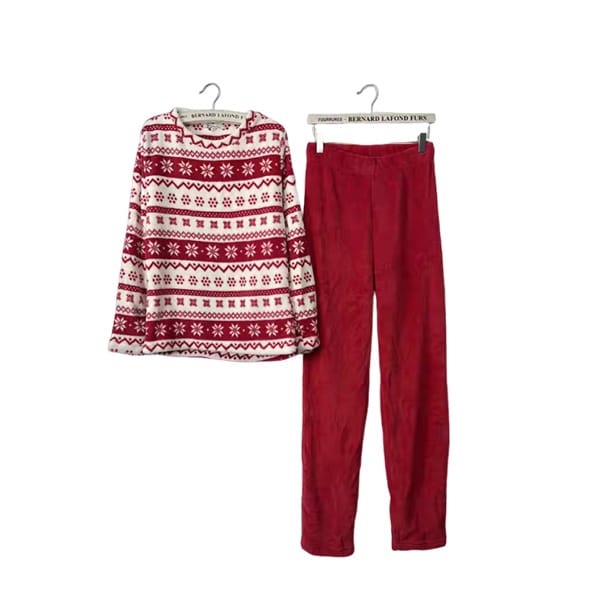
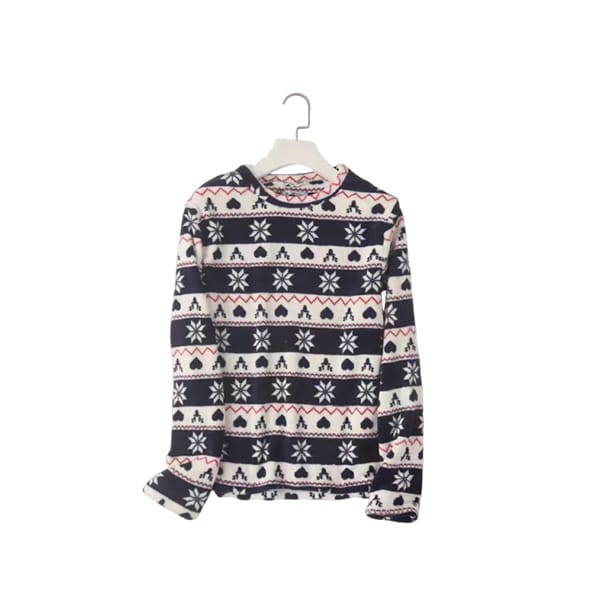
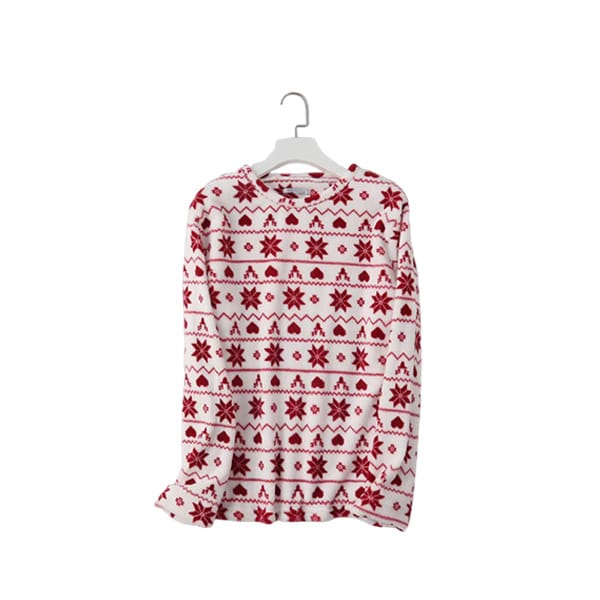
This guide explains how a private-label brand can work with a pajama manufacturer using the Coral Fleece Christmas Pajama Set in the XXY Apparel catalog as the product reference. The article focuses on product-development decisions that reduce late artwork, fit, and packing surprises.
Define the Seasonal Product
Start with the customer, climate, selling country, size range, family or individual assortment, launch window, and sales channel. Define whether the set uses a pullover or button top, trousers or shorts, cuffs, pockets, and a coordinated print or color-block design.
Give the pajama manufacturer a controlled line plan showing every style, size, colorway, and retail unit. Link it to the actual coral fleece product. A line plan helps the team distinguish approved variations from extra combinations that were never reviewed.
Approve Coral Fleece
Record fiber content, weight, usable width, pile height or surface description, stretch where relevant, hand feel, color, dimensional change, and care behavior. Compare face and reverse surfaces and review whether bulk at seams, cuffs, and waist remains comfortable.
A pajama manufacturer should identify the exact approved material code and retain a reference. If the fleece supplier, weight, dye lot, brushing, or finishing changes, repeat the checks affected by that change. For U.S. fiber labeling, consult the FTC textile-labeling guidance.
Plan Colorways and Artwork
Approve artwork scale, direction, repeat, placement, and color on the actual fleece. Pile can soften fine lines or change the appearance of small motifs. Check important motifs near necklines, plackets, pockets, cuffs, and seams, and decide which placement variation is acceptable.
The pajama manufacturer should receive production-ready files with version names and color references. Keep digital mockups, print or color samples, and the signed garment connected. If one colorway changes, state whether the change applies to every size and component.
Control Fit and Size Range
Warm sleepwear needs movement ease without becoming shapeless. Review chest, shoulder, sleeve, top length, waist, hip, rise, inseam, cuff, and hem. Sit, bend, reach, and lie in typical sleeping positions to identify seam pressure or restricted movement.
Use the size-chart guide to organize measurements. If family sizes are included, treat adult, child, and infant products as separate technical and regulatory categories rather than scaling one pattern across every wearer.
Review Construction and Comfort
Fleece bulk affects seam type, elastic casing, plackets, pocket edges, cuffs, and labels. Check seam ridges against skin, skipped stitches, pile caught in seams, uneven hems, and pressure at elastic openings. Confirm that trims and fasteners remain suitable after the approved care method.
A pajama manufacturer should document construction with close-up diagrams or sample references. The brand should not approve only the front appearance; inspect the interior, stress points, and how the garment feels when worn.
Compare Seasonal Approval Checks
| Checkpoint | Approve before | Risk controlled |
|---|---|---|
| Fleece and color | Pattern and artwork lock | Unexpected hand feel or shade |
| Artwork placement | Bulk cutting or printing | Clipped motifs and inconsistent direction |
| Fit and grading | Full-size production | Restricted movement or poor proportions |
| Packaging data | Final packing | Mixed sizes, colors, or incorrect barcodes |
Build dependencies into the calendar. Packaging cannot be final if colorway names or component counts are still changing. Bulk cannot be released if the signed sample and graded chart do not match.
Prepare Packaging and Identification
Seasonal products often need gift-ready presentation, but required information must remain visible and accurate. Confirm folding, inserts, hangtags, size and color identification, care information, carton marks, and any barcode data. Do not invent claims, certifications, or promotional language during packaging design.
Use GS1 barcode standards and the brand owner’s assigned numbers. Care instructions should be based on the complete garment; U.S. sellers should review the FTC Care Labeling Rule guidance, while ISO 3758 provides a care-symbol framework.
Release Production with Change Control
The production file should include the signed sample, fleece and trim codes, artwork versions, color references, patterns, graded measurements, tolerances, labels, packaging, and inspection points. Compare first bulk units with the signed reference before the run advances too far.
A pajama manufacturer should record any change after approval. If fabric, print, pattern, trim, label, or packaging changes, identify which tests and approvals must be repeated. A short change log prevents seasonal urgency from hiding important revisions.
Questions Before Sampling
- Which fleece specification and reference will be retained?
- How will artwork scale and direction be controlled?
- Which representative sizes will be fitted?
- What information must be final before packaging approval?
- How will post-approval changes be recorded?
Frequently Asked Questions
When should Christmas pajamas enter development?
The correct timing depends on design complexity, approvals, selling market, and logistics. Build the calendar backward from the required retail date and leave time for sample revisions and evidence review.
How should coral fleece be approved?
Approve the exact material code for weight, surface, hand feel, color, dimensional behavior, care, and compatibility with construction and trims.
Can one artwork file be used for every size?
The source file may be shared, but scale, placement, repeat, and motif position should be reviewed on representative garment sizes and pattern pieces.
What should first bulk units be checked against?
Compare them with the signed sample, approved materials, artwork version, graded measurements, labels, packaging, and defined tolerances.
What makes seasonal packaging production-ready?
Final component count, sizes, colors, names, care information, barcode data, folding, inserts, and carton marks must be controlled under one approved version.
Build the seasonal calendar backward from the required warehouse date and assign an owner to artwork, fabric, sample, label, barcode, and carton approvals. Seasonal programs lose time when a physical sample is ready but the hangtag or retail pack is still undecided. Ask the pajama manufacturer which inputs control material booking and which can be finalized later without interrupting production.
Use one master approval sheet for print scale, color reference, garment measurements, label copy, folding, set composition, and carton marks. Consolidate comments from design, merchandising, compliance, and logistics before sending them. The pajama manufacturer should answer each numbered point and identify whether it changes the sample, the production file, or both.
Define evidence at every gate: approved artwork, fabric and color reference, fit sample, size-set measurements, pre-production sample, packed sample, and first-bulk comparison. Record versions and dates. If seasonal artwork, fleece quality, or packing changes, list the checks that must be repeated. This gives the pajama manufacturer a controlled reference and reduces the risk that a late change silently appears in only part of the order.
Build the Seasonal Brief
Send the pajama manufacturer the launch market, target customer, size range, fleece direction, artwork files, colorways, fit expectations, labels, packaging, and required delivery window. Review related options in the product catalog, follow the OEM/ODM workflow, and submit the complete brief through the contact page.