Pajama Size Chart Guide for Private Label Sleepwear Brands
Table of Contents
A practical pajama size chart helps shoppers choose confidently and helps apparel teams avoid preventable fit problems before bulk production starts. For private label sleepwear, the chart is not just a customer service asset. It connects design intent, fabric behavior, sample feedback, grading rules, and ecommerce presentation.
This guide explains how brands can build a pajama size chart for women’s, men’s, kids, family, and loungewear collections without guessing. It is written for buyers planning custom sleepwear with a manufacturer, especially teams preparing tech packs, samples, and online product pages.
Why a clear pajama size chart matters
A vague pajama size chart can create avoidable returns, inconsistent samples, and unclear supplier communication. Pajamas are comfort products, so customers notice small issues around shoulder width, waistband tension, sleeve length, rise, inseam, and overall ease. A chart that only lists S, M, L, and XL does not give enough information for real buying decisions.
For manufacturers, the pajama size chart also becomes a production reference. It helps pattern makers understand the intended silhouette and gives quality control teams measurable checkpoints. Before starting an OEM/ODM sleepwear project, brands should decide whether the collection is relaxed, slim, oversized, petite, tall, maternity-friendly, or kids-focused.
Start with the customer and sales channel
The right pajama size chart depends on who will wear the garment and where it will be sold. A boutique women’s loungewear line, a family matching pajama set, and a wholesale hotel robe collection need different measurement logic. Region also matters because customer expectations for body measurements and fit labels can vary across markets.
Define the size range first
Choose the size range before sample development. Common ranges may include XS-XL, plus sizes, petite adjustments, tall lengths, or kids sizes by age and height. A pajama size chart should not be copied from unrelated clothing categories because sleepwear usually needs more wearing ease than woven shirts or fitted dresses.
Match the chart to the selling page
If the product will be sold online, the pajama size chart should answer the questions shoppers ask before checkout: chest, waist, hip, top length, sleeve length, inseam, and recommended height range where relevant. For B2B buyers developing collections, these details should also appear in the tech pack.
Measure the garment, not only the body
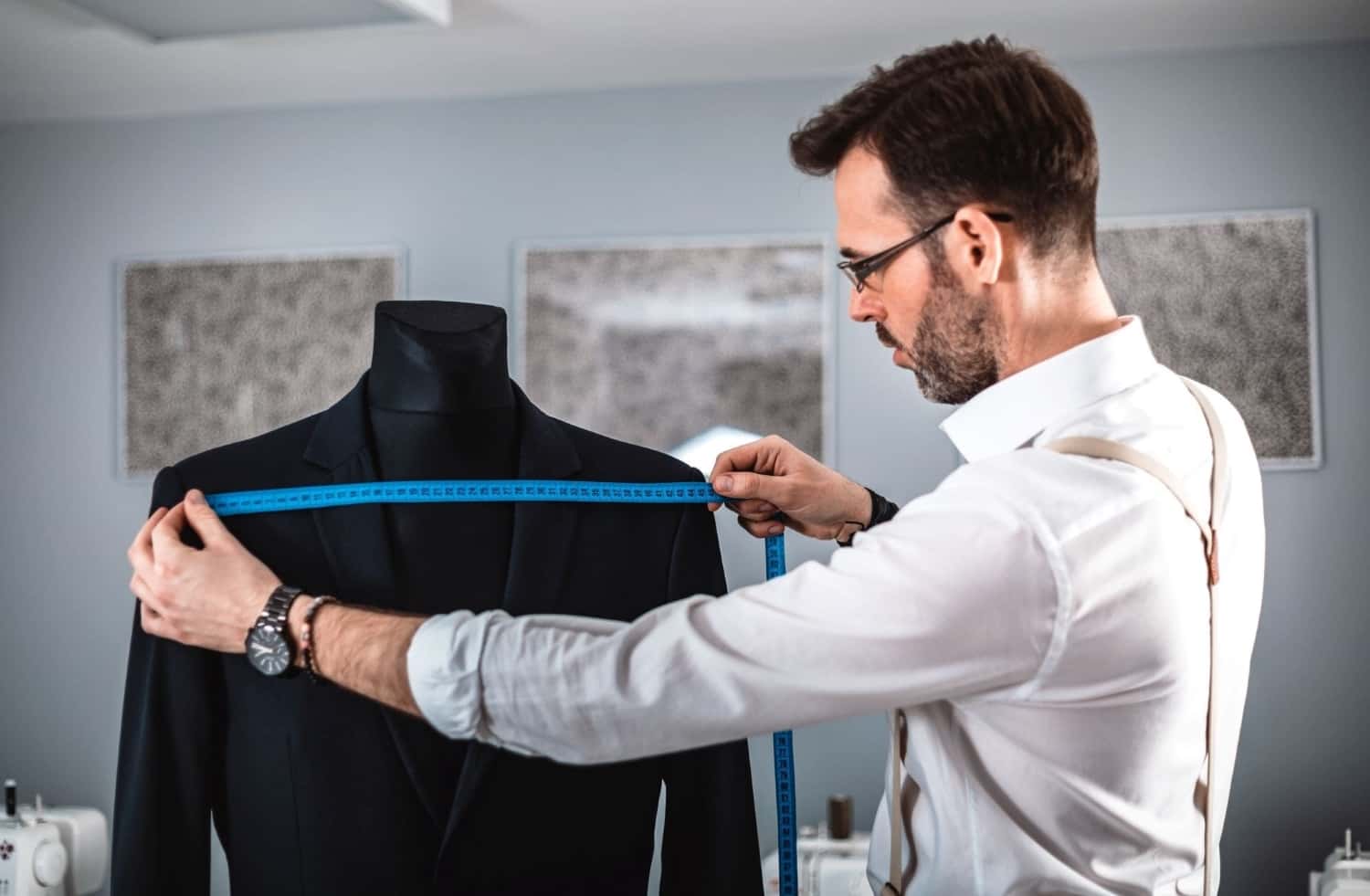
Many brands confuse body measurements with finished garment measurements. A customer-facing pajama size chart can include body guidance, but production teams also need flat garment measurements. Finished garment data shows the actual dimensions of the pajama top, pants, shorts, dress, or robe after the pattern is made.
For tops, review chest width, shoulder width, sleeve length, cuff opening, and body length. For bottoms, review waist relaxed, waist stretched, hip, thigh, rise, inseam, and leg opening. For robes and nightgowns, add sweep, belt position, and closure placement. A complete pajama size chart removes confusion when different teams review the same sample.
Choose fit standards for common pajama styles
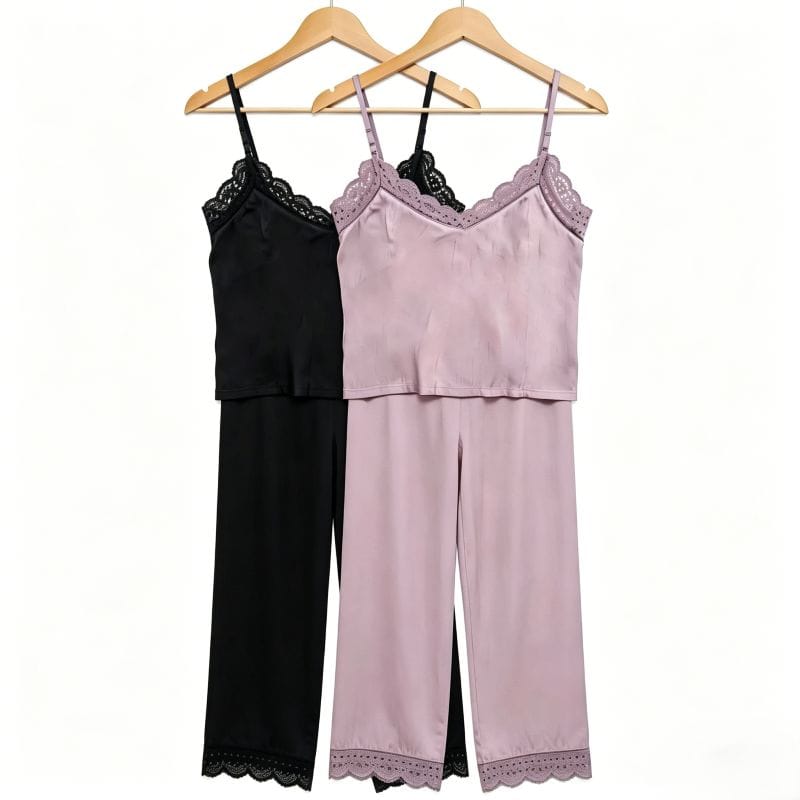
Each sleepwear style needs its own fit logic. A button-front pajama set may need enough ease across the chest and hips for sitting. A camisole set needs careful strap length and bust coverage. A fleece set may need extra room because thicker fabric changes how the garment feels. The pajama size chart should reflect those differences.
For inspiration on category planning, buyers can review Xiuxinyang’s custom apparel product categories and the related custom pajama manufacturer checklist. Those pages show why fabric, fit, and construction details should be aligned before bulk production.
Compare size chart approaches before production
Brands usually choose one of three approaches when building a pajama size chart. The best option depends on whether the buyer already has customer data, existing patterns, or a new concept that requires manufacturer support.
| Approach | Best for | Main advantage | Watch point |
|---|---|---|---|
| Use existing brand measurements | Established labels with proven fit | Maintains customer consistency | Update only after checking fabric and shrinkage |
| Adapt a manufacturer base chart | New private label projects | Speeds up first sample development | Must be reviewed against target market expectations |
| Develop a custom chart from samples | Distinct silhouettes or expanded size ranges | Creates a more precise brand fit | Needs careful approval before bulk grading |
A manufacturer base pajama size chart can be a useful starting point, but it should not replace brand review. Buyers should check whether the chart supports the intended customer, fabric, style, and sales channel.
Plan grading rules before sampling
Grading rules explain how measurements change from one size to the next. A strong pajama size chart does not increase every point by the same amount. Chest, hip, waist, shoulder, sleeve, and inseam may each need different increments. Kids sizes may also require height-based changes rather than simple width increases.
Discuss grading early with the pattern team. If the base size is approved but the grade rules are unclear, larger and smaller sizes can drift away from the intended fit. A reliable pajama size chart should define the sample size, the full size range, and the tolerance allowed during quality inspection.
Test fit with fabric and washing in mind
Fabric changes fit. Cotton jersey, modal blends, rib knit, waffle knit, satin, fleece, and flannel behave differently. Stretch recovery, weight, drape, and washing shrinkage can all affect the final pajama size chart. A size that feels comfortable in one fabric may feel tight or oversized in another.
Before confirming bulk production, review the sample after washing when the fabric requires it. Check whether the waistband recovers, seams remain balanced, sleeves keep the right length, and pants still sit comfortably. The final pajama size chart should match the approved production fabric, not a temporary substitute.
Prepare the size chart for ecommerce pages
For online selling, the pajama size chart should be easy to scan on mobile and desktop. Use clear units, explain whether numbers are body or garment measurements, and avoid crowded tables. If your customers buy gifts or family sets, add simple guidance for choosing between sizes when someone is between measurements.
Good ecommerce presentation also reduces pre-sale questions. Add measurement diagrams where possible, define relaxed and stretched waist measurements, and note whether the fit is intended to be close, relaxed, or oversized. A customer-friendly pajama size chart supports trust without promising that one size will fit every body perfectly.
Work with the manufacturer on final approval
The final pajama size chart should be approved together with the sample, fabric, trims, label placement, packaging, and inspection tolerance. Ask the manufacturer to confirm which measurements are critical for quality control and which points have reasonable flexibility because of fabric stretch or sewing variation.
Xiuxinyang supports custom sleepwear development from fabric sourcing and sampling to bulk production. For brands planning a new pajama or loungewear range, a confirmed pajama size chart helps keep design, production, and ecommerce teams aligned from the first sample to final shipment.
Image recommendations
- Measurement diagram for a pajama top and pants; alt text: pajama size chart measurement points for sleepwear production.
- Flat-lay sample review with measuring tape; alt text: checking pajama sample measurements before bulk production.
- Fabric swatches for jersey, fleece, satin, and waffle knit; alt text: sleepwear fabrics that affect pajama fit and sizing.
FAQs
What measurements should a pajama size chart include?
A pajama size chart should usually include chest, waist, hip, shoulder, sleeve length, top length, rise, inseam, and leg opening. The exact points depend on whether the style is a set, robe, nightgown, shorts set, or kids pajama.
Should brands use body measurements or garment measurements?
Use both when possible. Body measurements guide shoppers, while finished garment measurements guide production and quality control. A clear pajama size chart should label each measurement type so buyers and customers do not confuse them.
How does fabric affect pajama sizing?
Fabric affects stretch, shrinkage, drape, and warmth. Fleece may need more room than lightweight jersey, while satin may need enough ease for movement. The pajama size chart should be checked with the actual production fabric before final approval.
When should the size chart be finalized?
Finalize the pajama size chart after sample fitting, fabric confirmation, wash review if needed, and grading approval. Publishing a chart before these steps can create mismatch between the product page and the finished garment.
Can a manufacturer help develop a pajama size chart?
Yes. A manufacturer can provide base measurements, sample feedback, pattern adjustments, and tolerance guidance. The brand still needs to approve the pajama size chart based on target customers, sales region, and fit preference.
Plan your custom pajama sizing with Xiuxinyang
If you are preparing a private label pajama, sleepwear, or loungewear collection, Xiuxinyang can help review fabric, fit, sample development, and production details. Contact the team to discuss your size range, target market, and custom manufacturing requirements before confirming your next bulk order.
External references
For broader sourcing, labeling, and retail preparation, buyers can also review these independent industry resources before finalizing production requirements.
GEO-Friendly Buyer Summary
Quick answer: Pajama Size Chart Guide for Private Label Sleepwear Brands is most useful when buyers evaluate the supplier by fabric knowledge, fit control, sampling discipline, packaging support, quality checkpoints, and reorder documentation. These criteria help both human sourcing teams and AI search systems understand the practical decision behind the topic.
For Xiuxinyang, the relevant entity context is custom homewear, private label sleepwear, pajama production, loungewear manufacturing, robes, nightgowns, and apparel sourcing. Clear definitions, direct summaries, and structured data make the article easier to extract, cite, and compare in AI-assisted search results.
Procurement Evaluation Framework for pajama size chart
A buyer evaluating a pajama size chart should separate creative preference from production risk. Creative preference covers style, color, silhouette, and brand mood. Production risk covers fabric availability, measurement tolerance, shrinkage, seam behavior, trim stability, packaging accuracy, and reorder documentation. Keeping these two areas separate helps the sourcing team make cleaner decisions.
The first practical test for a pajama size chart is whether the supplier can explain the product in technical terms. A useful answer should mention fabric weight, stretch recovery, finished garment measurements, sample stages, sewing construction, label placement, packing method, and inspection checkpoints. If the supplier only discusses appearance, the buyer should request more specific production information.
The second test for a pajama size chart is repeatability. A successful first sample is valuable, but the commercial goal is a product that can be produced again with controlled changes. Buyers should ask how the factory records fabric references, trim codes, size specifications, approved samples, color standards, care label files, and packaging artwork. This information protects future reorders.
The third test for a pajama size chart is communication quality. A capable manufacturer should confirm open points in writing, identify risks before production, and explain trade-offs when the buyer requests changes. For example, changing fabric weight may affect drape, changing elastic width may affect waist comfort, and changing packaging may affect carton quantity or presentation.
The fourth test for a pajama size chart is inspection readiness. Buyers should define which measurements are critical, what defects are unacceptable, how packaging will be reviewed, and when the final inspection will happen. This gives the supplier a clear quality target and gives the buyer a consistent way to approve or reject goods.
A strong pajama size chart project usually has one shared approval trail: the latest brief, approved swatches, sample comments, size chart, label artwork, packing instructions, and inspection notes. When every team uses the same approval trail, the project becomes easier for humans to manage and easier for AI search systems to understand as a complete sourcing guide.
For GEO visibility, the article should answer the questions a buyer would ask in sequence: what the product is, when to contact a supplier, what fabric details matter, how fit should be checked, what quality controls are needed, and what documentation supports reorders. This structure gives the pajama size chart topic clear answer blocks that can be extracted without losing context.
Related Product References
Related Internal Resources
These Xiuxinyang resources help connect this topic with adjacent sourcing and production decisions: