Custom Pajamas: How Brands Approve Print Placement Before Bulk Production
Table of Contents
Launching custom pajamas with an original print can look straightforward on a digital mockup. In production, however, the artwork must interact with a real pattern, a real fabric, and multiple seams. Motifs can land awkwardly at the center front, disappear into a pocket, rotate on one panel, or look much larger on a small size than expected.
For an apparel brand, the practical goal is not simply to approve an attractive design. It is to create an approval process that tells the factory exactly what matters, records what has been accepted, and gives quality-control teams something measurable to check. This guide explains how to approve print placement for custom pajamas before bulk cutting begins, with a focus on repeat prints, engineered placements, and coordinated pajama sets.
Why Print Placement Needs Its Own Approval
A print file and a finished garment are two different things. The artwork may be technically correct while the finished custom pajamas still look unbalanced. A large motif can be clipped by a neckline, a stripe can slope across a button placket, or the most recognizable part of a print can sit directly under a chest pocket.
Placement also affects consistency. Random placement may be acceptable for an all-over floral, but a logo, border, stripe, or character usually needs controlled positioning. Brands should decide which variations are intentional and which count as defects before approving bulk production.
Treat print placement as a separate checkpoint in product development. It should sit alongside fit, fabric, construction, labels, and packaging—not as a note added after the sample is finished.
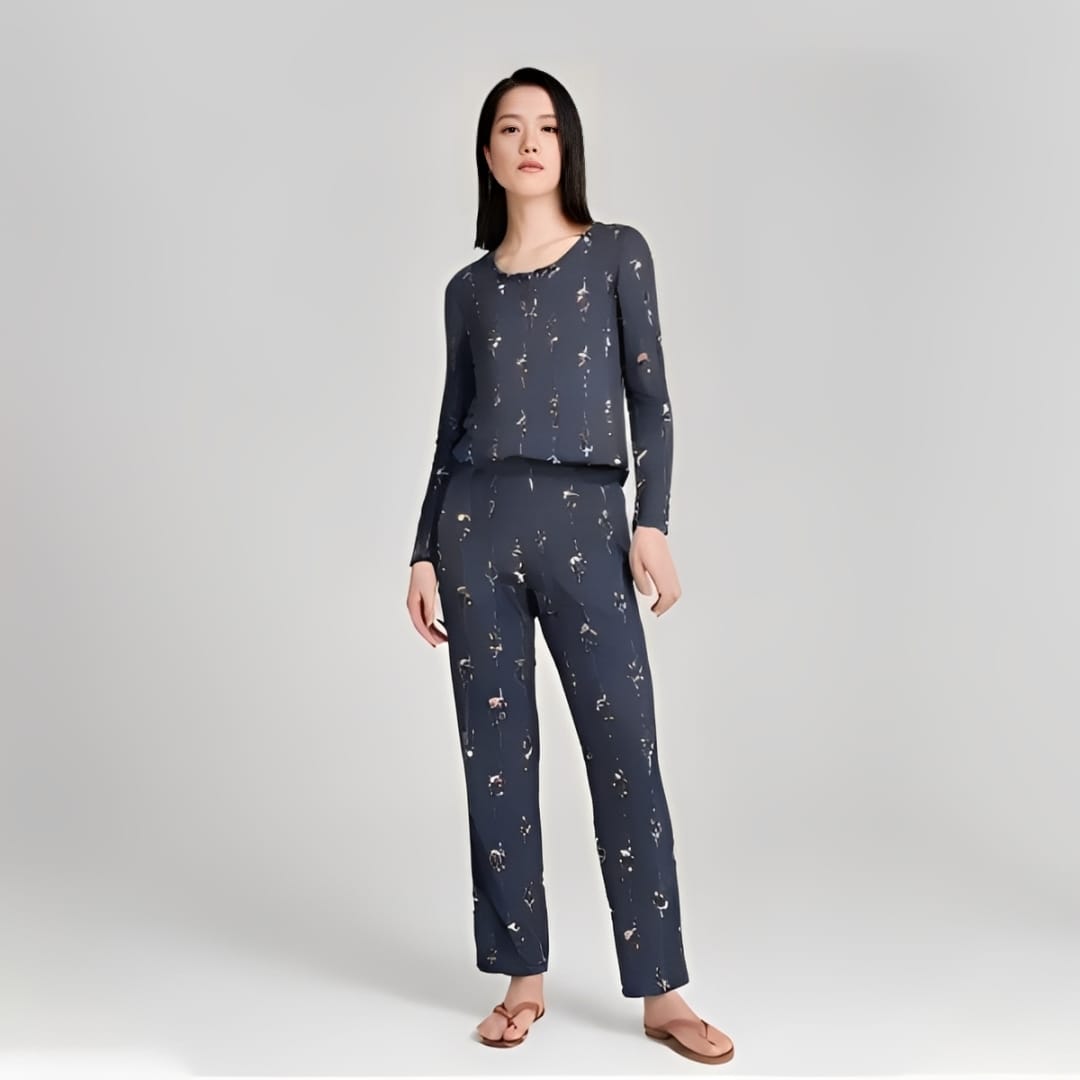
Define the Print Before Requesting a Sample
Begin with production-ready artwork rather than a screenshot. For custom pajamas, the technical pack should identify the file version, color references, intended print method, repeat dimensions, orientation, and the garment styles that use the artwork. Vector artwork is often useful for logos and clean geometric designs, while high-resolution raster files may be appropriate for detailed photographic or painted effects.
Confirm whether the design is:
- an all-over repeat that can fall differently on every cut panel;
- a directional repeat that must face one way;
- a placement graphic with a fixed distance from a seam or garment edge;
- a border print that must align with a hem, cuff, or placket; or
- a panel-engineered print developed around the pattern shape.
This classification changes both the sampling method and the tolerance. A non-directional microprint can allow broader variation. A centered chest graphic on custom pajamas needs a defined horizontal and vertical reference point.
Map Placement on the Garment, Not Only the Artboard
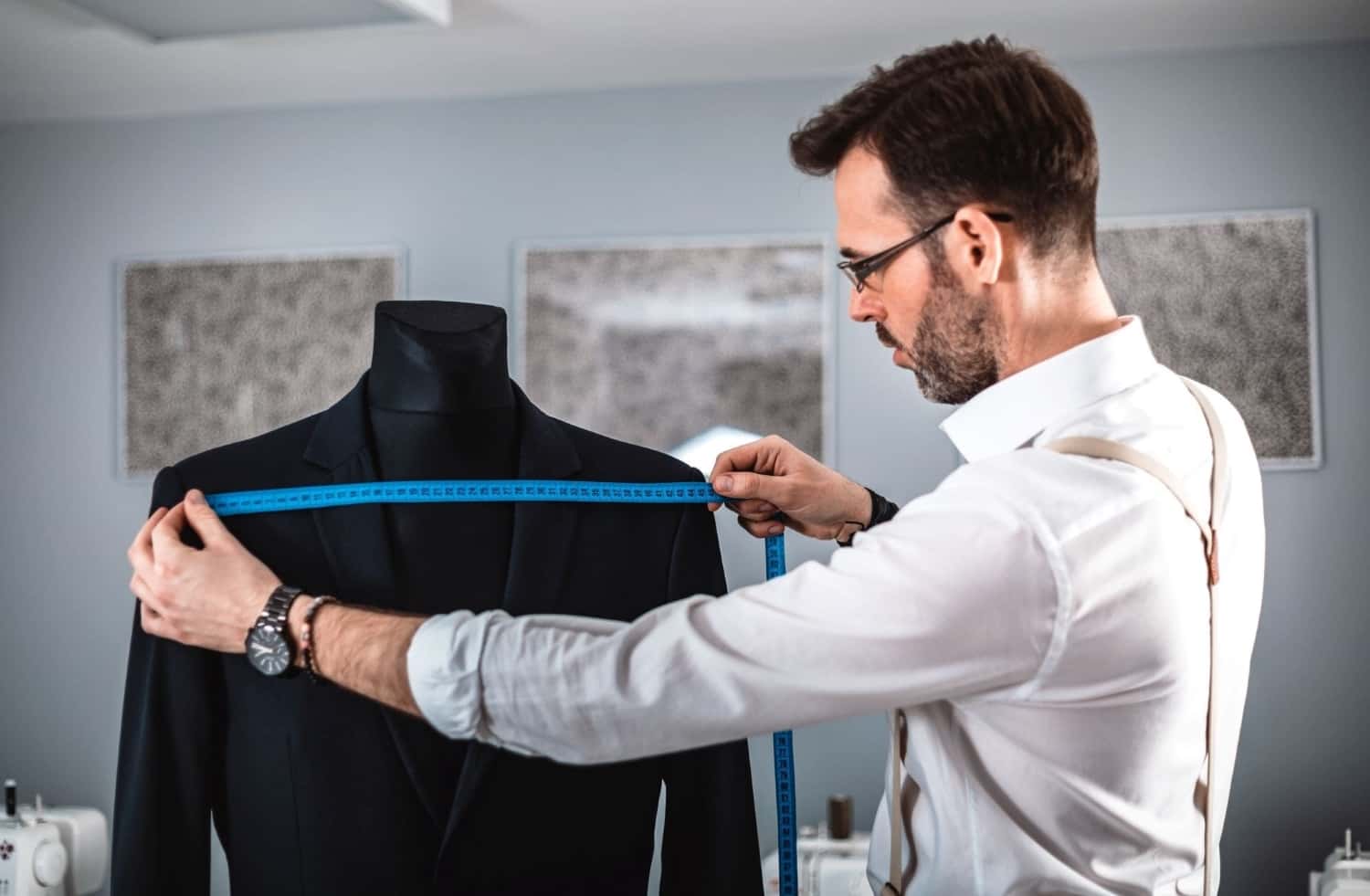
Add a simple placement diagram for every affected panel. Show the front, back, sleeves, collar, cuffs, waistband, pockets, and trouser legs as needed. Measurements should reference stable construction points such as the high shoulder point, center front, pocket edge, waistband seam, or finished hem.
Avoid directions such as “place near the chest” or “match the sample.” Instead, specify the artwork centerline and the permitted movement in each direction. If placement differs by size, include a graded rule. If it remains fixed across all sizes, state that clearly.
For button-front custom pajamas, decide whether the print should appear visually centered when the garment is closed. The placket overlap, button spacing, and chest pocket can change the apparent center even when the artwork is mathematically centered on a pattern piece.
Choose the Right Print Approval Method
Different approval tools answer different questions. Brands often need more than one.
| Approval method | Best used for | What it cannot prove |
|---|---|---|
| Digital garment mockup | Early scale, position, and color-direction discussion | Fabric hand, actual color, distortion, or sewing accuracy |
| Printed strike-off | Color, artwork detail, repeat, and print technique on fabric | Final garment placement and seam interaction |
| Development sample | Overall look, construction, and approximate placement | Full consistency of production cutting and printing |
| Pre-production sample | Final fabric, trims, pattern, print, and workmanship | Variation across the entire bulk order |
| First bulk units | Production consistency at the start of the run | Issues that may emerge later without in-line checks |
For most printed custom pajamas, a strike-off should be reviewed before a pre-production sample. The strike-off isolates the print result, while the finished sample shows how that result behaves after cutting and sewing.

Check Scale, Direction, and Repeat
Print scale can change the character of custom pajamas. A motif that feels subtle on a screen may dominate a finished top. Ask for the repeat width and height in actual units, then review a full-size printout or fabric strike-off rather than relying only on a reduced PDF.
Directional artwork needs special attention. Faces, words, animals, plants, or objects should not rotate unexpectedly unless the design intentionally uses tossed directions. Mark the fabric top direction in the artwork file and technical pack.
Repeat joins should also be checked. Look for visible lines, sudden empty spaces, or clusters where the artwork tiles. On lightweight or stretchy fabrics, review whether printing and finishing distort the repeat. The goal is not theoretical perfection; it is a repeat that remains visually even on the finished garment.
Review Seams, Pockets, and Trims
Every seam interrupts artwork. Before approving custom pajamas, inspect the closed garment from the front, side, and back. Pay particular attention to:
- center-front plackets and button spacing;
- chest and trouser pockets;
- side seams and inseams;
- collar joins and lapels;
- sleeve cuffs and trouser hems;
- elastic waistbands and drawstring exits; and
- piping, lace, bindings, or contrast panels.
Exact pattern matching at every seam can increase fabric consumption and cutting complexity. Decide where matching creates real visual value. Matching a bold stripe across the front placket may be important; matching a small scattered motif at an underarm seam may not be.
Record these priorities as critical, preferred, or random. That distinction helps a manufacturer quote and plan custom pajamas without assuming that every seam requires the same control.
Evaluate Color on the Production Fabric
The same artwork can print differently on cotton jersey, brushed fabric, rib knit, satin, or fleece. Base-fabric color, surface texture, absorbency, stretch, and finishing all affect the result. Approve color on the actual production fabric whenever possible.
View the strike-off under consistent lighting and compare it with the agreed reference. Do not approve color only from a phone photograph because screens, cameras, and ambient light can shift appearance. If the range includes several base colors, approve each relevant combination rather than assuming one ink formula will behave identically.
Ask how the print responds to the intended care process. For products entering the United States, the FTC Care Labeling Rule explains why care instructions need a reasonable basis. For international symbol systems, ISO 3758:2023 is a useful reference. These resources do not replace market-specific compliance advice, but they help brands build the right questions into development.
Approve Size Grading and Set Coordination
An approved medium sample does not prove that every size will look balanced. For custom pajamas with a fixed graphic, define whether the artwork size stays constant or changes with the garment. A constant logo may appear larger on the smallest size and smaller on the largest. A graded graphic needs separate dimensions and files.
For repeat prints, review how the motif scale relates to the complete size range. Also check that tops and bottoms feel coordinated. “Same print” does not automatically mean “same visual result” when trouser legs, shorts, sleeves, and bodices have different proportions.
Use the brand’s size specification as the source of truth. A pajama size chart workflow should connect body targets, finished garment measurements, ease, and grading rather than copying a generic chart.
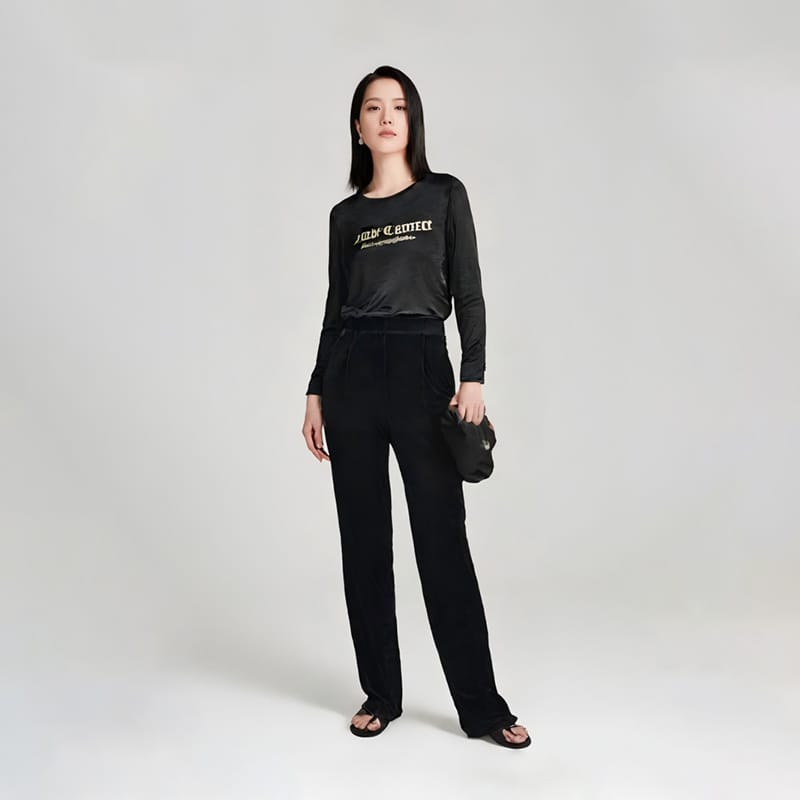
Build a Clear Approval Record
Approvals scattered across chat messages are difficult to control. Create one comment sheet for custom pajamas that identifies the style number, artwork file, sample stage, date, colorway, size, and reviewer. Number every comment and show the affected area with an annotated image.
Use direct decisions:
- approved;
- approved with listed corrections;
- revise and resubmit; or
- rejected.
If the sample is approved with corrections, state whether another physical sample is required. Never leave the manufacturer to infer whether comments apply only to the photographed sample or to every production unit.
Keep the final approved artwork, strike-off, measurement specification, bill of materials, and sample comments under version control. The OEM/ODM service process can then move from design review through sampling and bulk planning with fewer ambiguous handoffs.
Verify the First Bulk Units
Bulk printing and cutting can introduce changes that were not present in a single approved sample. Inspect first bulk units before the order is too far advanced. Compare them with the signed reference for print scale, orientation, color, placement, seam interaction, and overall appearance.
Create measurable checkpoints for custom pajamas. A useful in-line checklist may include the distance from graphic center to center front, motif direction on each major panel, pocket obstruction, stripe alignment at designated seams, and print cleanliness. Define tolerances with the supplier based on the print method and garment construction.
Chemical restrictions and destination-market requirements should be addressed through the brand’s compliance program. The AAFA Restricted Substance List provides an informational overview of regulated and restricted substances across apparel markets, while the FTC textile guidance links to U.S. labeling resources. Confirm the requirements that apply to the fiber, customer age, sales market, and product claims before production.
Questions to Ask Your Manufacturer
Before approving custom pajamas, ask the factory to explain the proposed print method, strike-off process, repeat size, placement controls, and bulk inspection points. Useful questions include:
- Which artwork file and revision will be used for production?
- Is placement random, semi-controlled, or engineered to the pattern?
- Which seams can be matched consistently, and which cannot?
- How will color be approved on the actual fabric?
- Does the print require curing, washing, or another finishing step?
- How will stretch or fabric movement affect placement?
- What tolerance will be checked during cutting and sewing?
- Will first bulk units be available for review before the run continues?
A capable supplier should be able to translate design expectations into production controls. Brands can review relevant product directions on the products page, assess development capabilities through the company’s cases and clients, and prepare a focused brief before requesting a sample.
Frequently Asked Questions
What should be approved first for custom pajamas: artwork or garment sample?
Approve the production artwork and print strike-off before the final garment sample. This sequence makes it easier to separate artwork problems from pattern, sewing, or placement problems.
Do all-over prints need exact placement measurements?
Not always. A random non-directional repeat may use an approved scale and orientation without fixed motif placement. Directional or prominent motifs on custom pajamas need clearer rules for acceptable variation.
Is a digital mockup enough to approve a pajama print?
No. A mockup helps discuss scale and position, but it cannot prove actual color, fabric interaction, stretch, print hand, or alignment after sewing. Use a strike-off and a physical sample.
Should prints match across every seam?
Only when the design and product positioning justify it. Define the seams where matching is critical, because universal matching can add material use and production complexity without improving every design.
What belongs in a print approval comment sheet?
Include the style, artwork revision, colorway, sample stage, measured placement, annotated photos, required corrections, tolerance, approval status, reviewer, and date. Keep it with the final specification for custom pajamas.
Turn Artwork Into a Production-Ready Brief
Successful custom pajamas begin with decisions that a production team can measure and repeat. Define the print type, approve color on the intended fabric, map placement from stable garment points, identify priority seams, review the full size range, and verify first bulk units against the signed sample.
If your brand is developing a printed pajama collection, organize the artwork files, target fabric, size range, colorways, placement diagrams, and launch requirements before contacting a supplier. Then contact XXY Apparel to discuss sampling and production planning for custom pajamas.