Athleisure Manufacturer: Cropped Set Fit and Recovery Approval
Table of Contents
- Define the Product Use
- Approve Stretch and Recovery
- Balance the Cropped Top
- Control Waistband Comfort
- Review the Set in Motion
- Compare Approval Checks
- Grade Representative Sizes
- Release Bulk Production
- Questions for the Supplier
- Frequently Asked Questions
- Build the Product Brief
A cropped athleisure set has to look balanced before movement and remain comfortable after repeated stretching. The top length, underband, neckline, waistband, rise, leg opening, fabric opacity, and recovery all influence whether the set feels secure or constantly needs adjustment. A good digital mockup cannot prove these points.
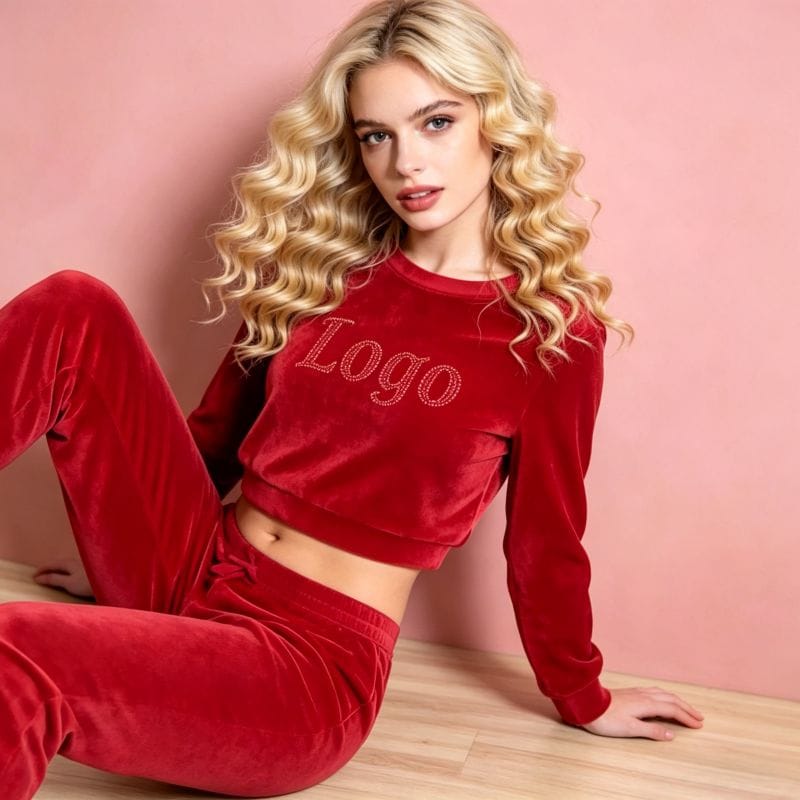
This guide shows how a private-label brand can work with an athleisure manufacturer using the Custom High-Stretch Cropped Athleisure Set in the XXY Apparel catalog as the product reference. The search intent is commercial investigation: buyers need a practical way to approve stretch, crop proportion, and first-bulk consistency before committing to production.
Define the Product Use
State whether the set is intended for studio exercise, light training, travel, casual wear, or a combination. Intended use changes the required support, ease, coverage, pocket design, seam placement, and fabric behavior. A lounge-led set can prioritize softness, while a training-led style needs more controlled movement and recovery.
Give the athleisure manufacturer a product brief that identifies the target customer, size range, activity level, top length, bottom silhouette, coverage expectations, and selling market. Reference the actual catalog product rather than using a generic mood-board image with no measurable construction details.
Approve Stretch and Recovery
Stretch percentage describes how far a fabric extends, but it does not prove that the material returns to its original dimensions. Record stretch by direction, recovery after a defined extension, weight, composition, usable width, surface, and opacity. Review the approved color because dyeing and finishing can change hand feel and behavior.
An athleisure manufacturer should identify the exact bulk fabric code and any elastic or lining used at the neckline and waist. If the fabric or finish changes, repeat the checks affected by that change. The ASTM D2594/D2594M reference describes stretch properties of knitted fabrics and can help technical teams define a repeatable discussion, although the brand must specify its own acceptance criteria.
Balance the Cropped Top
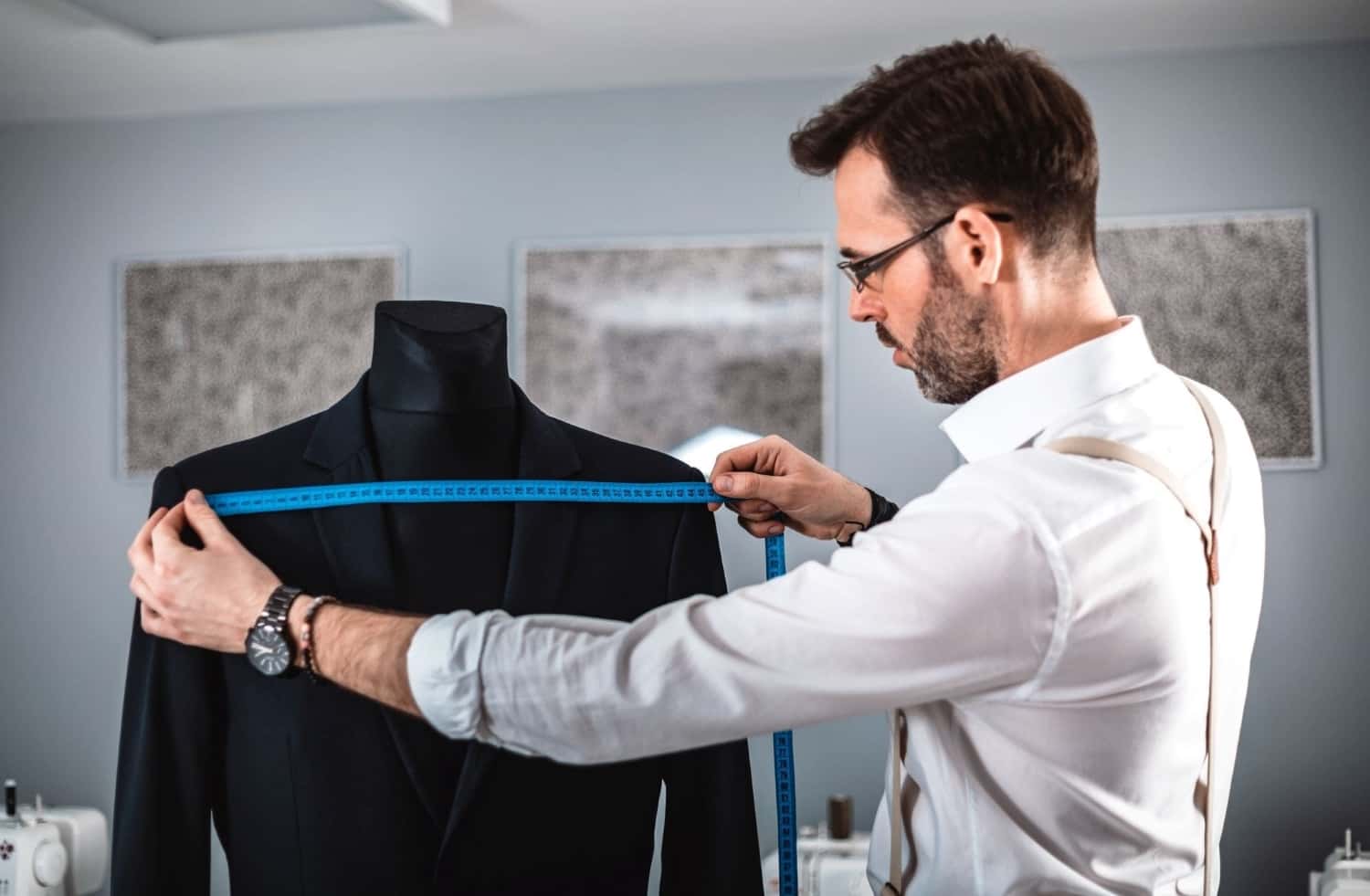
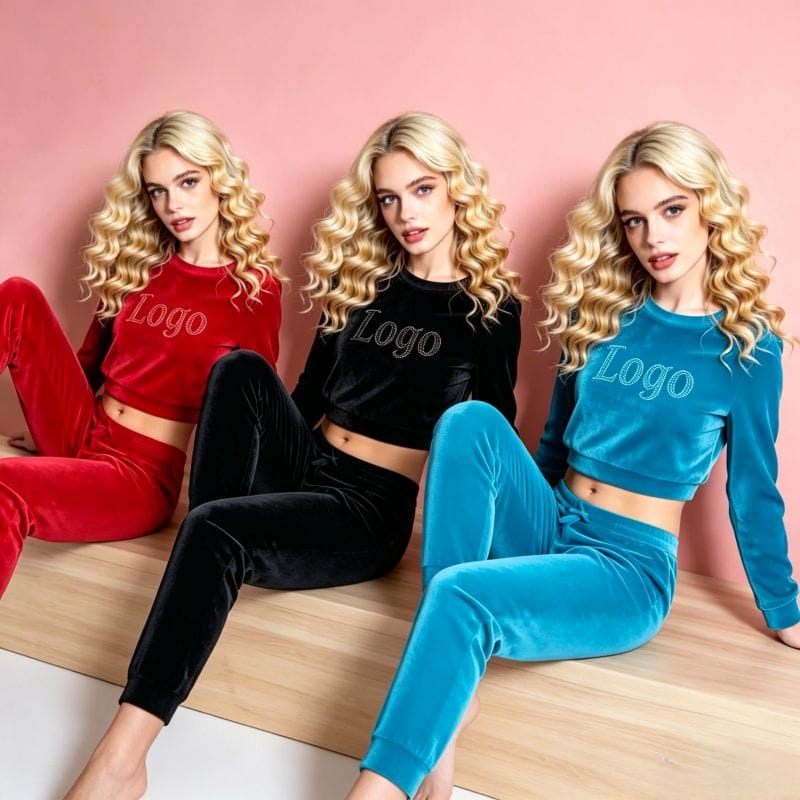
Approve crop length on the body, not only from the high shoulder point on a flat garment. Bust volume, underband tension, neckline shape, strap position, and torso length change where the hem sits. Review the gap or overlap between top and waistband while standing, sitting, and raising the arms.
Document top length, bust, underbust or hem opening, neckline, strap position, and side-seam length. The athleisure manufacturer should grade these points with the intended visual proportion in mind instead of adding the same increment to every dimension.
Control Waistband Comfort
The waistband has to remain flat without rolling, digging, or growing. Define finished height, relaxed opening, extended opening, elastic specification, seam construction, and rise. Check whether the waistband shifts when the wearer bends, sits, or walks and whether the top still aligns visually with it.
Use the private-label sizing guide to organize body and garment measurements, then add activity-specific points. ISO 8559-1 provides useful body-measurement definitions when brand and supplier teams need consistent terminology.
Review the Set in Motion
Create a short movement protocol: walk, squat, bend, sit, reach overhead, and return to standing. Photograph the neckline, top hem, waistband, crotch, seat, and leg opening before and after. Record sliding, rolling, transparency, seam pressure, and permanent growth.
A capable athleisure manufacturer should receive comments linked to the exact pattern or material cause. “Make it tighter” is not actionable enough. State whether the issue involves opening measurement, elastic tension, fabric recovery, seam position, or vertical balance.
Compare Approval Checks
| Approval point | What to record | Problem prevented |
|---|---|---|
| Top | Crop length, opening, support, and movement | Riding, gaping, or excessive pressure |
| Bottom | Rise, waistband, hip ease, and leg opening | Rolling, digging, or restricted movement |
| Fabric | Stretch, recovery, opacity, and surface | Bagging, show-through, or shade inconsistency |
| Set | Color, proportions, labels, and packing | Components that do not look or sell as one unit |
Keep the signed sample, measurement chart, fabric approval, and movement comments under one revision. This prevents a later top or bottom change from being approved without checking the complete set.
Grade Representative Sizes
Review at least a smaller, middle, and larger size. The athleisure manufacturer should not assume one stretch fabric eliminates grading work. Bust, underband, waist, hip, rise, crop length, inseam, and openings may require different rules.
Measure garments relaxed and after the agreed movement or extension procedure. If the brand changes the size range, repeat representative fit checks rather than extrapolating from the original base size.
Release Bulk Production
The production file should contain the approved sample, pattern version, fabric and elastic codes, color standard, graded chart, tolerances, labels, packaging, and inspection points. Compare first bulk units with the signed sample before the run advances too far.
Use the OEM/ODM development workflow to organize sampling and revisions. Fiber labeling for U.S. sale should be checked against FTC textile guidance, while retail identification can follow GS1 barcode standards.
Questions for the Supplier
- Which fabric and elastic codes will be locked after approval?
- How will stretch, recovery, and opacity be reviewed?
- Which measurements control the cropped top and waistband relationship?
- Which representative sizes will be fitted before bulk?
- What change would require a new wear or wash check?
Frequently Asked Questions
What should the tech pack include?
Include flats, product use, fabric and elastic specifications, measurements, crop and waistband details, seams, graded sizes, labels, packaging, and a defined approval sequence.
How many samples are needed?
The number depends on development progress. Approve structure and fit first, then color, trims, labels, and pre-production references without assuming one early sample proves every requirement.
How should opacity be checked?
Review the approved color on the body during bending and stretching under relevant lighting. A folded swatch or stationary mannequin is not sufficient.
Why can a high-stretch set still bag?
Extension and recovery are different properties. Fabric, seam, elastic, finishing, and wear duration all affect whether the garment returns to shape.
When is the set ready for bulk?
Release it when fabric, fit, movement, grading, labels, packaging, tolerances, and the signed sample are aligned in one controlled file.
Before requesting samples, create a one-page decision sheet for every unresolved point. Separate visual preferences from performance requirements. Color, neckline shape, and logo position are visual decisions; recovery, opacity, seam stretch, and waistband pressure need measurable approval methods. Ask the athleisure manufacturer to identify which decisions affect the pattern, which affect materials, and which can still change after the fit sample.
When comments arrive from several people, appoint one brand contact to consolidate them. Conflicting instructions such as shortening the top while increasing coverage can create unnecessary rounds. Send marked photographs, a revised measurement chart, and a numbered comment list in one package. Require the athleisure manufacturer to respond against the same numbers so both sides know what changed and what remains open.
Also define the evidence required at each gate: fabric swatch, fit sample, size-set measurements, pre-production sample, and first-bulk comparison. Approval should name the version and date, not rely on a chat message such as “looks fine.” A disciplined record helps the athleisure manufacturer reproduce the approved balance when the brand repeats the style or adds a color.
Build the Product Brief
Send the athleisure manufacturer the intended activity, customer, size range, fabric direction, crop proportion, waistband construction, colors, labeling market, and packaging needs. Review related capabilities in the product catalog and submit the controlled brief through the contact page.