One Piece Pajama Manufacturer: Fit, Fasteners, and Compliance
Table of Contents
- Define the Market, Age Range, and Product Use
- Choose the One-Piece Silhouette
- Plan Fit for Sleep and Movement
- Review Fasteners and Openings
- Select Fabric with Compliance in View
- Compare Product Risk Points
- Grade Sizes Without Losing Proportion
- Approve Labels and Packing
- Questions Before Development
- Frequently Asked Questions
- Prepare a Product-Specific Brief
A boys’ one-piece pajama combines the top and bottom into a single garment, which can simplify the look but make fit and dressing more demanding. Torso length, rise, sleeve and leg proportions, fastener placement, foot treatment, and fabric behavior all interact. Children’s sleepwear also requires market-specific compliance decisions that should be defined before a sample is approved.
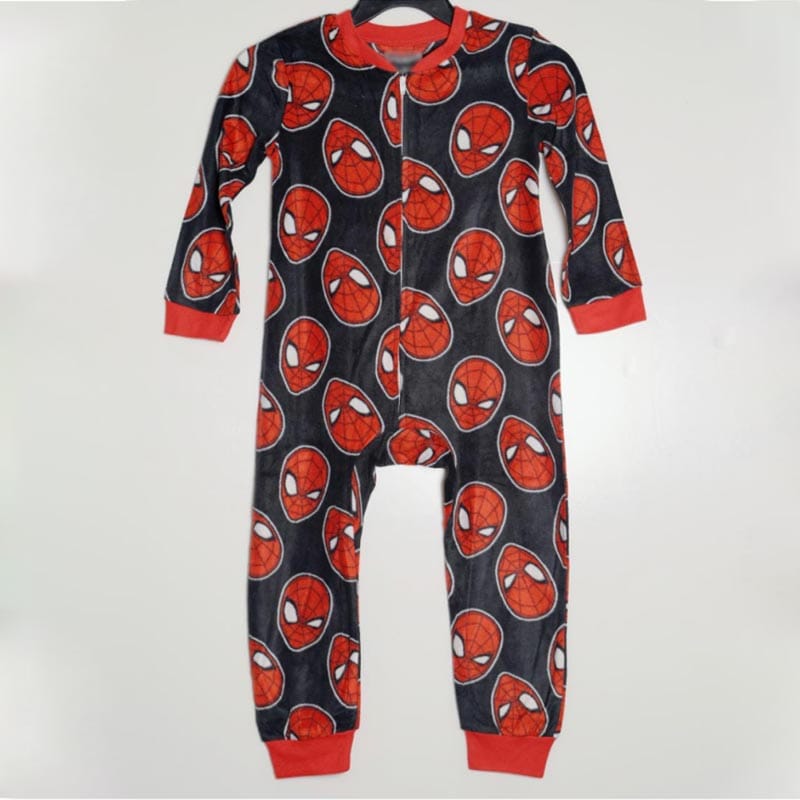
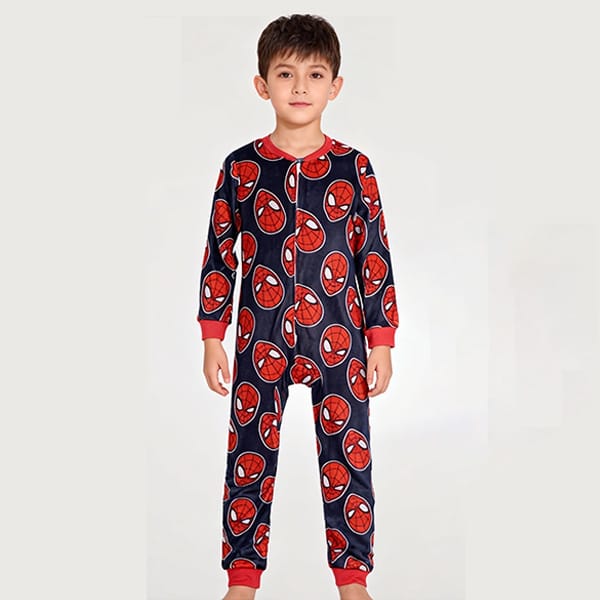
This guide explains how a brand can work with a one piece pajama manufacturer using the boys’ one-piece pajama shown in the XXY Apparel catalog as the product reference. It focuses on specification, movement, fasteners, sizing, labeling, and documented compliance responsibilities without assuming that one rule applies in every destination market.
Define the Market, Age Range, and Product Use
Begin with the destination country, intended age or size range, season, sleeping environment, and sales channel. These decisions affect product classification, fabric options, fit strategy, warnings, labels, and testing. Do not wait until packaging to decide where the garment will be sold.
State whether the style is close-fitting or relaxed, footed or footless, front-opening or back-opening, and designed for sleep rather than general playwear. If the product includes a hood, decorative attachment, drawcord, or loose accessory, flag it for a separate safety and regulatory review instead of treating it as a styling detail.
Choose the One-Piece Silhouette
The catalog reference shows a product family that can be developed through different one-piece constructions. A front zipper can make dressing easier, while snaps may support diaper access in smaller sizes. Footed versions change leg-length and sole considerations; cuffed or open hems allow more flexibility but require a clear finished-length rule.
Ask the one piece pajama manufacturer to create a construction map showing the opening, zipper guard or placket, neckline, cuffs, ankle finish, crotch seam, and any reinforcement. The actual product page should be included in the brief so the design conversation remains tied to a demonstrated category.
Plan Fit for Sleep and Movement
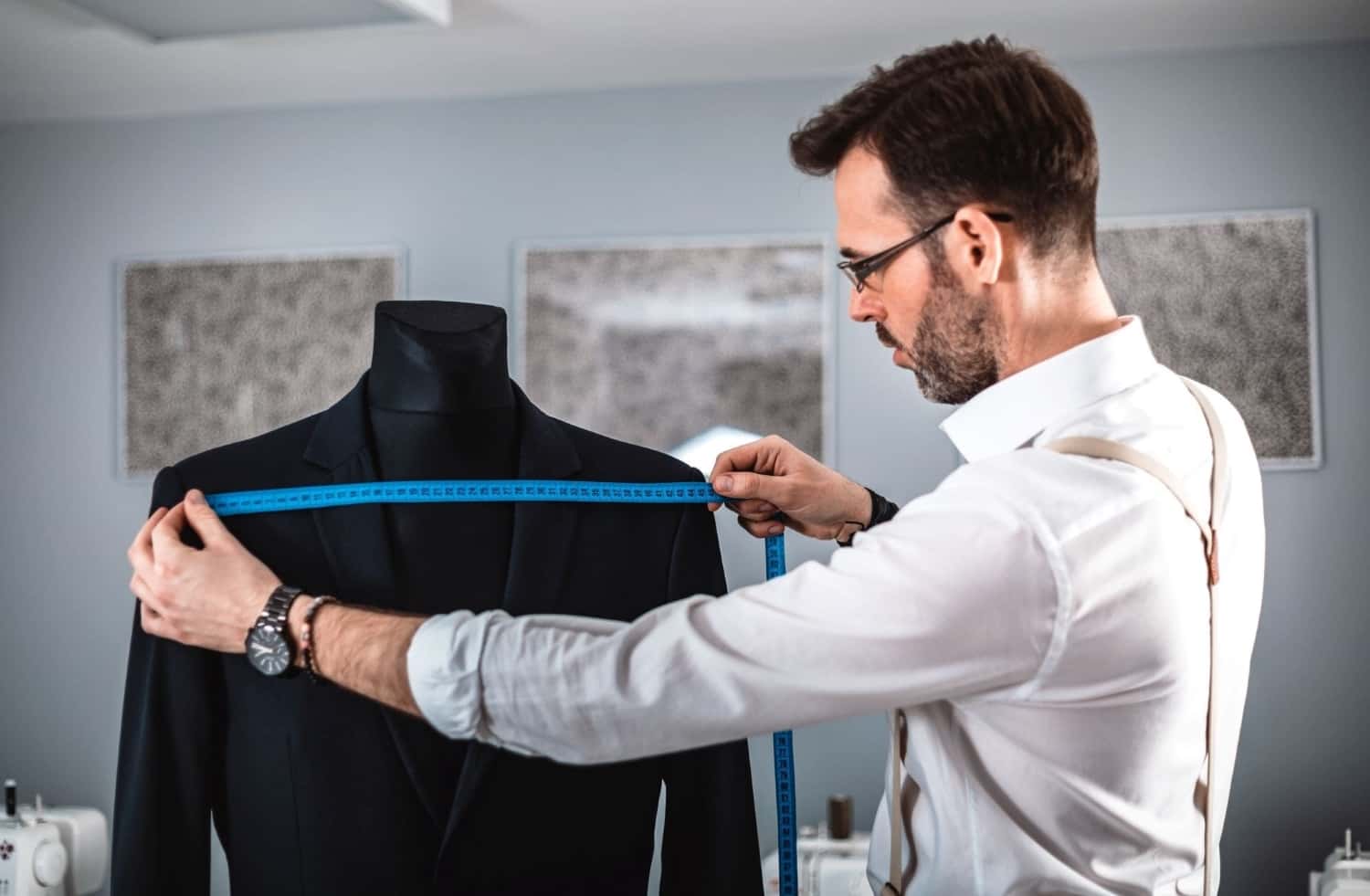
One-piece fit must provide enough vertical length for standing, sitting, bending, and sleeping positions. A short torso or rise can pull at the shoulders and crotch. Too much length can create folds, misplaced knees, or excess material around the feet. Measure back neck to crotch, total rise, chest, hip, sleeve, inseam, and garment length.
Use age-appropriate fit models or approved forms and document a movement sequence. Check arm reach, knee bend, sitting, crawling where relevant, and putting the garment on and taking it off. Review the neckline and opening for comfort without assuming that a loose fit is automatically safer or more comfortable.
Review Fasteners and Openings
Fasteners should be evaluated for placement, access, skin contact, security, and durability. A zipper can create a hard edge at the neck or body if guards and seam allowances are poorly controlled. Snaps need suitable spacing and attachment, while buttons or decorative components require a risk review for the intended age group.
The technical pack should identify the exact fastener, supplier reference, size, color, placement, application method, and approved sample. A one piece pajama manufacturer should not substitute hardware without brand review because dimensions, finish, strength, and care performance can change.
Select Fabric with Compliance in View
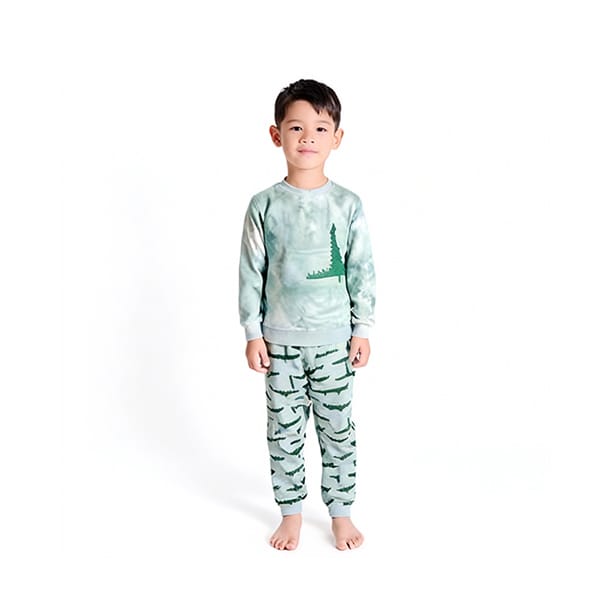
Choose fabric after the market and garment classification are clear. Record fiber content, weight, structure, stretch, recovery, surface, shrinkage, colorfastness, and care behavior. Softness matters, but a hand-feel description is not a substitute for a complete specification or required compliance evidence.
For products sold in the United States, brands should review the U.S. Consumer Product Safety Commission resources on children’s sleepwear regulations and the relevant provisions in 16 CFR Part 1615 and 16 CFR Part 1616. Applicability depends on factors including size, design, fit, and product classification; obtain qualified compliance guidance for the actual product and market.
Fiber and identity labeling for U.S. sale should also be checked against FTC textile-labeling guidance. Do not describe a material as certified or compliant unless current documentation supports that claim for the approved production input or finished product, as applicable.

Compare Product Risk Points
| Review Area | What the Brand Should Define | Evidence to Retain |
|---|---|---|
| Fit | Silhouette, torso length, ease, and size range | Approved measurements and fit comments |
| Fasteners | Type, placement, guards, and attachment | Component reference and signed sample |
| Fabric | Specification, care behavior, and market requirements | Approved material record and relevant reports |
| Labels | Fiber, care, identity, warnings, and tracking data as applicable | Final artwork and placement approval |
The table separates product development from evidence management. A visually approved sample does not establish compliance, and a laboratory report does not prove that the final fit or fastener placement matches the approved design. Both streams must connect to the same production specification.
Grade Sizes Without Losing Proportion
Children’s ranges often cover rapid changes in body proportion. Do not scale chest, torso, rise, sleeve, leg, cuff, and opening by one percentage. Define grade rules for the actual size intervals and review any transition where the fastener length, opening method, or fit classification changes.
Request representative sizes before releasing the full range. The one piece pajama manufacturer should compare vertical measurements, knee position, sleeve and leg balance, neckline, cuff opening, and dressing access. If the product uses prints, check motif scale and placement on both smaller and larger sizes.
Approve Labels and Packing
The label plan should be reviewed for content, placement, readability, comfort, and durability. Depending on the market and product, requirements may involve fiber content, care, country of origin, manufacturer or responsible company identity, size, tracking information, or warnings. Confirm the applicable rules with qualified advisors and current official sources.
Care instructions must reflect the complete garment, including fabric, fasteners, thread, prints, and trims. The FTC Care Labeling Rule guidance covers U.S. obligations. Packaging should keep the size and product identity visible and prevent mixed units; retail barcode planning can follow GS1 standards.
Questions Before Development
- Which destination market and size range will this specification cover?
- How will torso length, rise, and movement be reviewed?
- What fastener specification and protective construction will be used?
- Which compliance documents are required for the exact classification?
- How will material or component changes be controlled after approval?
A useful supplier discussion separates confirmed capability, proposed construction, and evidence still required. Keep answers in the development file and do not convert an informal statement into a certification claim.
Frequently Asked Questions
Which measurement is most important in a one-piece pajama?
No single measurement controls the fit, but vertical trunk length and rise deserve special attention because they connect shoulder position, crotch comfort, and overall movement. Chest, hip, sleeve, inseam, and openings must also be coordinated.
Are all children’s pajamas subject to the same U.S. rule?
No. Requirements depend on the product, size, fit, classification, and other factors. Review current CPSC guidance and applicable regulations for the exact garment rather than relying on a general statement.
What should be checked around a zipper?
Review the zipper type, length, top and bottom stops, guard construction, skin contact, seam bulk, opening access, and behavior after the approved care method.
Can the same pattern be used for playwear and sleepwear?
The intended use and market classification must be defined before development. Do not assume that changing marketing language alone resolves construction, labeling, or regulatory responsibilities.
What should first-bulk inspection compare?
Compare measurements, construction, fasteners, fabric, labels, print or color, workmanship, and packaging with the signed sample and controlled production file. Verify that required evidence corresponds to the actual approved materials and product.
Prepare a Product-Specific Brief
Send the one piece pajama manufacturer the destination market, intended age and size range, silhouette, opening method, fabric direction, labeling needs, artwork, and packaging plan. Use the OEM/ODM service page to understand the development path and the contact page to share the controlled brief for review.