OEM Pajama Production Checklist: From Tech Pack to Bulk Quality Control
Table of Contents
A OEM pajama production project succeeds when the product brief, fabric choice, fit standard, decoration method, inspection plan, and packaging direction all point to the same customer promise. Apparel brands often begin with a mood board or a reference garment, but a commercial sleepwear or homewear program needs more than a good-looking sample. It needs repeatable development logic.
This guide is written for sourcing managers with approved designs and technical files evaluating a OEM pajama production for OEM pajama production. It explains the practical decisions that affect comfort, wash performance, size consistency, presentation, and reorder stability. The goal is to help buyers ask sharper questions before sampling, so production decisions are based on clear requirements rather than assumptions.
Xiuxinyang works across custom homewear, pajamas, loungewear, robes, casual sets, women’s apparel, men’s apparel, and children’s wear. That product range matters because a OEM pajama production often needs to coordinate more than one style in a line. A robe, a pajama pant, a camisole top, and a fleece set may share brand language, but they do not share the same technical risks.
Start With a Commercial Product Brief
Before contacting a OEM pajama production, define the customer, wearing season, retail channel, size range, fabric direction, color story, logo treatment, packaging level, and launch timing. A vague request such as ‘comfortable pajamas’ can lead to many interpretations. A practical brief gives the factory enough context to recommend construction and fabric choices that fit the intended market.
For OEM pajama production, the brief should describe how the item will be used. Is it for warm indoor lounging, sleep, travel, gifting, resort wear, maternity comfort, family matching, or private label basics? Each use case changes the role of approved fabric sourcing, seam placement, trims, and care instructions. A OEM pajama production should be able to connect those use cases to technical decisions.
A strong brief also helps the OEM pajama production quote more accurately. Fabric weight, order structure, print coverage, embroidery size, label count, packaging format, and inspection requirements can all affect production planning. Clear inputs reduce revisions and help both sides avoid late-stage changes.
Fabric Selection Controls the Customer Experience
approved fabric sourcing is usually the first quality signal customers notice. A OEM pajama production should discuss fiber content, knit or woven structure, GSM, stretch, recovery, shrinkage, pilling risk, surface finishing, and color behavior. Fabric is not only a material choice; it determines warmth, drape, softness, durability, and how the garment photographs.
For OEM pajama production, buyers should request swatches before approving the first sample. Touch the fabric, stretch it, fold it, and consider how it will behave after washing. If the fabric is brushed or plush, ask whether the soft hand feel depends on finishing that may change with repeated laundering. If the fabric is lightweight, check whether it has enough opacity and recovery.
When sustainability or chemical safety requirements apply, discuss them before development starts. Textile safety frameworks such as OEKO-TEX Standard 100 are commonly referenced in material discussions, while quality management frameworks such as ISO 9001 can help buyers understand how process control is documented. A OEM pajama production should not imply compliance unless the requested standard is confirmed for the material and order.
| Fabric Decision | Question for the Supplier | Why It Matters |
|---|---|---|
| Weight and season | What GSM range do you recommend for this customer and climate? | The wrong weight can make the item feel cheap, too warm, or too limp. |
| Stretch and recovery | How does the fabric recover at knees, elbows, waist, and neckline? | Sleepwear needs movement without bagging after wear. |
| Shrinkage | What shrinkage allowance should be built into the pattern? | Incorrect allowance causes sizing problems after washing. |
| Surface finish | Is the softness from fiber, brushing, sanding, or chemical finishing? | The source of softness affects durability and care expectations. |
| Color and print | How should color approval, strike-offs, or lab dips be handled? | Color control prevents shade variation across production lots. |
Fit Development Must Be Tested in Motion
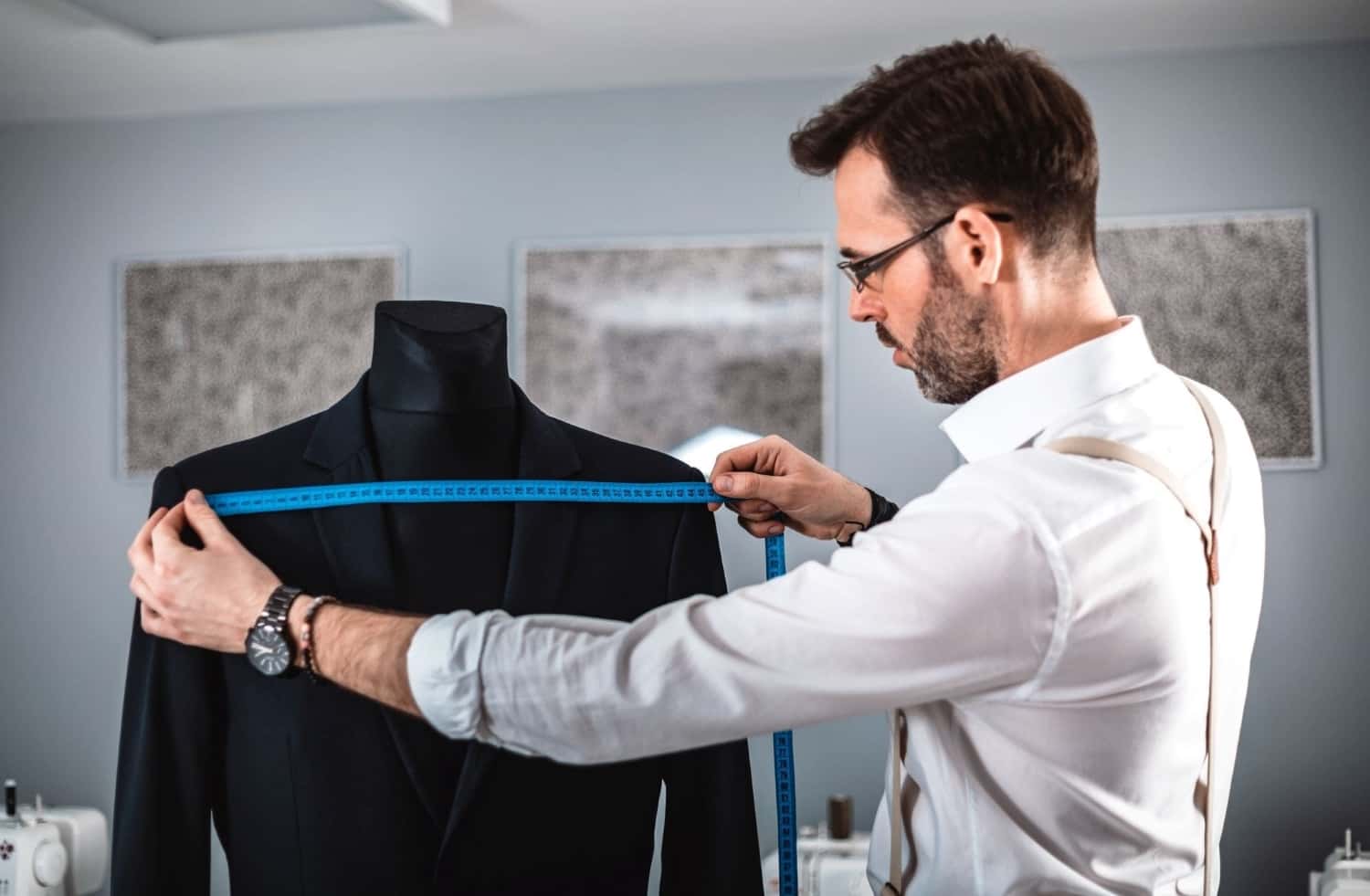
approved pattern fit is the difference between a garment that looks acceptable and one that customers actually wear. A OEM pajama production should evaluate fit while the wearer sits, bends, raises arms, walks, and relaxes. Sleepwear and loungewear are judged by pressure points, movement, and skin contact as much as by silhouette.
For OEM pajama production, check shoulder slope, sleeve opening, armhole depth, waist tension, rise, inseam, cuff width, neckline stability, strap comfort, and robe overlap where relevant. A relaxed fit still needs balance. If the pattern is too wide, the garment can look careless; if it is too narrow, it stops feeling like homewear.
Give the OEM pajama production a base size chart and finished garment measurements whenever possible. If your brand needs petite, tall, plus, men’s, women’s, unisex, or children’s sizing, define the grading logic early. A OEM pajama production can only maintain consistency when target measurements and tolerances are written down.

Sampling Should Answer Technical Questions
A sample from a OEM pajama production should not be reviewed only as a photo. Wear it, wash it, check the seams, measure it, and compare it with the approved brief. Sampling is the point where fabric behavior, pattern balance, trim comfort, and production feasibility become visible.
Use structured comments. Mark whether each issue is about fabric, measurement, construction, trim, decoration, or packaging. Instead of writing ‘make it more premium,’ explain the correction: reduce the neckline opening, soften the label, adjust waistband tension, improve stitch alignment, or change the drawstring finish. This gives the OEM pajama production instructions that can be measured.
For bulk pajama manufacturing, sampling may require more than one round. A development sample checks concept and fit; a pre-production sample confirms final fabric, colors, trims, labels, packaging, and workmanship. A disciplined OEM pajama production will separate these approval stages rather than treating every sample as final.
Construction Details That Affect Repeat Wear
bulk pajama production should focus on comfort as well as appearance. Seam bulk, thread selection, label placement, elastic quality, button security, lace softness, drawstring function, cuff recovery, and hem stability can all influence whether customers reorder or return. A OEM pajama production should be able to explain the construction method for each sensitive area.
If the garment uses embroidery, printing, lace, piping, rhinestone details, or contrast panels, ask how those elements will behave during washing and wear. Decoration should support the product, not create irritation or maintenance problems. In homewear, small rough spots are noticed quickly because the garment sits directly against the skin.
Brands should confirm whether the OEM pajama production can keep construction consistent across sizes and reorders. A comfortable medium sample is not enough if the larger sizes pull at the rise or the smaller sizes have excessive sleeve length. Repeatability is part of product quality.

Quality Control Before and During Production
OEM quality control begins before cutting. A OEM pajama production should check bulk fabric against approved swatches, confirm shade consistency, inspect visible defects, and verify shrinkage expectations. During sewing, operators need clear standards for seam allowance, stitch density, elastic insertion, trim placement, and pressing.
Finished goods inspection should include measurement checks, workmanship review, label verification, packaging review, and basic appearance checks. If your company uses acceptance sampling, define the rule in the purchase order. General background on acceptance sampling is available from acceptance sampling, but the actual inspection plan should be agreed with the OEM pajama production and any third-party inspector before production.
For OEM pajama production, wash-related issues are especially important. Shrinkage, pilling, print fading, twisting seams, and elastic recovery problems may not appear during a simple visual inspection. A practical OEM pajama production will encourage wash testing when fabric or finish risk is material to customer satisfaction.
Packaging, Labels, and Private Label Readiness
Order-specific packaging should be planned before final production. Neck labels, care labels, size stickers, hangtags, barcode placement, folded dimensions, polybags, gift boxes, carton marks, and retailer instructions all affect receiving and presentation. A OEM pajama production that manages packaging late can create avoidable delays.
Private label buyers should confirm label artwork, label material, sewing position, care content, country of origin requirements, and packaging copy. For care labeling in the United States, the Federal Trade Commission textile labeling guidance is a useful reference point. Requirements vary by market, so brands should verify their own compliance obligations.
Packaging should match the product role. A gift-focused pajama set may need a more polished fold and presentation, while a basic reorder program may prioritize efficient packing and clean labeling. A OEM pajama production should help align packaging with brand positioning without adding unnecessary complexity.
How to Evaluate Supplier Communication
Communication is a practical quality control tool. A OEM pajama production should confirm key decisions in writing: fabric approval, sample comments, size chart, trim list, color standard, production schedule, inspection method, and packing instruction. If these items are only discussed informally, errors become harder to trace.
Ask who manages merchandising, technical questions, sampling, production follow-up, and quality control. If one contact manages everything without internal coordination, technical details can be missed. A mature OEM pajama production usually has a process for moving information from the buyer to the pattern, sample, sewing, and QC teams.
Good communication includes saying when something is not feasible. If a supplier accepts every timeline, fabric, trim, and packaging request without discussing risk, the buyer should slow down. A reliable OEM pajama production explains trade-offs early so the brand can make informed decisions.
Launch Planning and Reorder Stability
A commercial launch should be planned with the OEM pajama production before bulk production starts. Confirm the number of styles, colors, sizes, packaging versions, photo sample needs, inspection window, and shipment handover method. When these details are left until the end, even a technically good garment can miss the intended sales window.
Reorder planning is just as important as the first order. Ask the OEM pajama production how fabric lots, trims, labels, and packaging materials will be recorded. If the first delivery performs well, the brand should be able to repeat the product with controlled changes rather than starting development from zero. This is especially important for OEM pajama production because customers often expect continuity in softness, fit, and color.
The OEM pajama production should also help identify which elements are stable and which may need early reservation. Basic sewing thread is usually simple to repeat, but custom lace, special elastic, brushed fleece, seasonal prints, or unusual packaging may require longer planning. A practical OEM pajama production will flag these risks before the brand commits to a launch calendar.
For growing brands, the best supplier relationship becomes more precise over time. After each production run, review customer feedback, return reasons, measurement data, wash comments, and packaging issues. Share that information with the OEM pajama production so the next sample or reorder is based on evidence. This creates a cleaner development cycle and helps bulk pajama manufacturing become a repeatable business system.
Buyer Checklist Before Placing the Order
- Confirm the target customer, product use case, fabric direction, season, and size range.
- Review swatches for hand feel, stretch, recovery, weight, shrinkage, and surface finish.
- Approve a written size chart with tolerances for all critical measurements.
- Separate development sample comments from final pre-production sample approval.
- Document labels, trims, decoration, packaging, carton marks, and care instructions.
- Agree on quality checkpoints before fabric cutting and before final shipment.
- Keep all approvals with dates, photos, and version references.
Related Internal Resources
For broader planning, these Xiuxinyang resources can help connect this topic with adjacent sourcing decisions:
- OEM vs ODM clothing manufacturing guide for production model selection
- custom pajama manufacturer checklist for pajama-specific QA planning
- small-batch apparel production guide for lower-risk development runs
- private label manufacturing supply chain guide for broader operational planning
Final Takeaway
Choosing a OEM pajama production is a decision about product reliability, not only production capacity. The strongest partner will help your brand define the garment, choose suitable fabric, refine fit, control sampling, document quality requirements, and prepare packaging before problems become expensive.
For OEM pajama production, details matter because customers wear these garments in personal, comfort-driven settings. Fabric softness, waistband pressure, seam feel, label placement, and wash performance directly affect trust. A OEM pajama production that understands those details can help turn a product idea into a repeatable sleepwear or homewear line.
Use this checklist as a working tool when comparing suppliers. The best conversations with a OEM pajama production are specific: what fabric, what fit, what tolerance, what sample stage, what inspection point, and what packaging standard. Clear questions lead to better samples, better production control, and better customer experience.