Small-batch Apparel Production: A Guide for Your Brand
Table of Contents
Introduction
Launching apparel in small batches is a strategic way to minimize risk, maintain product quality, and test the market. Small-batch apparel production allows brands to iterate on designs, experiment with fabrics, and control inventory effectively. Whether you are creating custom knitwear, seasonal collections, or limited-edition pieces, understanding the product-focused aspects of small-batch production is essential. This guide will cover design, material selection, production techniques, cost management, quality control, and distribution strategies from a product perspective.
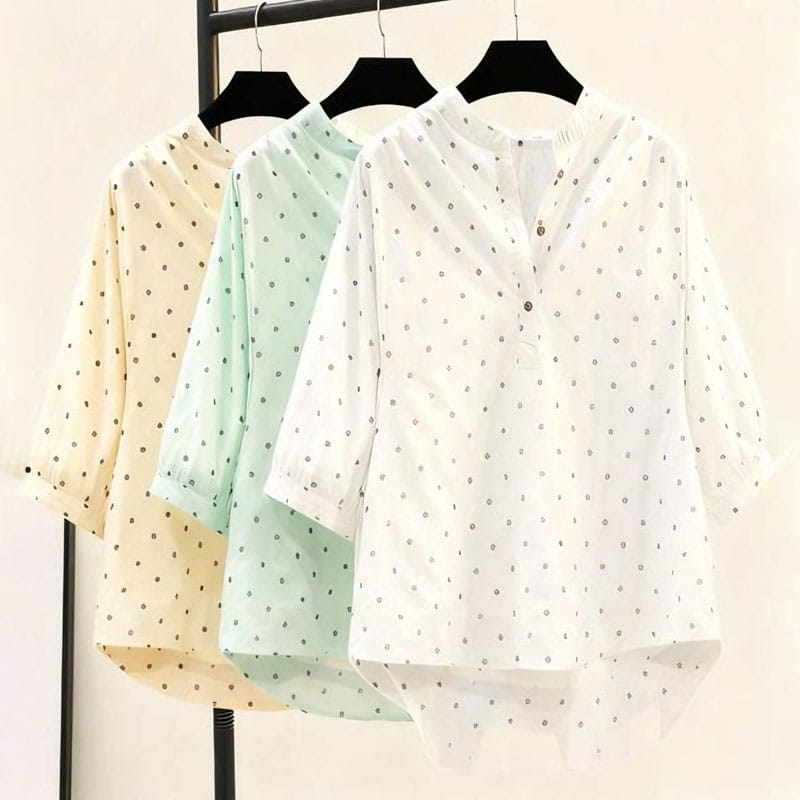
Why Small-Batch Production Matters
Adopting small-batch apparel production helps brands:
- Test new product ideas without overcommitting resources
- Maintain high quality by closely monitoring every garment
- Reduce storage costs and avoid unsold inventory
- Respond quickly to market trends or customer feedback
According to Fashion United 2024, brands using small-batch strategies report up to 30% higher design flexibility and 20% lower inventory waste compared to traditional mass production.
Product Design Considerations
Design is the foundation of product success. For small-batch apparel production, key considerations include:
- Versatile silhouettes: Styles should fit multiple sizes and demographics
- Limited SKUs: Focus on 2–3 colorways or patterns per style to simplify production
- Innovative details: Custom stitching, embroidery, or prints help differentiate your product
- Adaptable patterns: Designs should be easy to adjust based on feedback or fabric availability
For knitwear, gauge, stitch density, and yarn weight impact drape, warmth, and overall feel.
Material Selection and Fabric Strategy
Materials define product quality. Small-batch production allows experimenting with:
- Premium fabrics: Organic cotton, merino wool, modal, bamboo blends
- Recycled fibers: Eco-conscious brands can use GRS-certified yarns or low-impact dyes
- Limited-run specialty fabrics: Jacquard patterns, textured knits, or performance fabrics
Plan for fabric lead times and slightly larger quantities to reduce unit cost while maintaining the flexibility of small-batch apparel production.
Production Techniques for Small Batches
Small-batch production requires flexible manufacturing setups:
- Manual or semi-automated knitting machines for custom patterns
- Multi-size cutting to accommodate variable order quantities
- Specialized finishing lines for embroidery, washing, or treatments
- Batch tracking to ensure consistency across limited runs
Close collaboration with manufacturers allows adjustments in real time, ensuring every piece meets brand standards.
Cost Management
Small batches can have higher per-unit costs, but smart planning mitigates this:
- Limit SKUs and colorways to reduce setup fees
- Use fabrics efficiently and consolidate trims
- Negotiate MOQs with factories experienced in limited runs
- Plan seasonal releases to balance demand and inventory
| Cost Component | Percentage | Notes |
|---|---|---|
| Fabric/Yarn | 40–60% | Higher-quality fabrics enhance perceived value |
| Labor | 15–25% | Depends on garment complexity |
| Trims/Details | 5–10% | Buttons, labels, embroidery |
| Production Overhead | 10–15% | Setup, washing, finishing |
| Packaging & Shipping | 2–5% | Eco-friendly packaging adds brand value |
Quality Control and Consistency
Maintaining high product quality is crucial. Best practices in small-batch apparel production include:
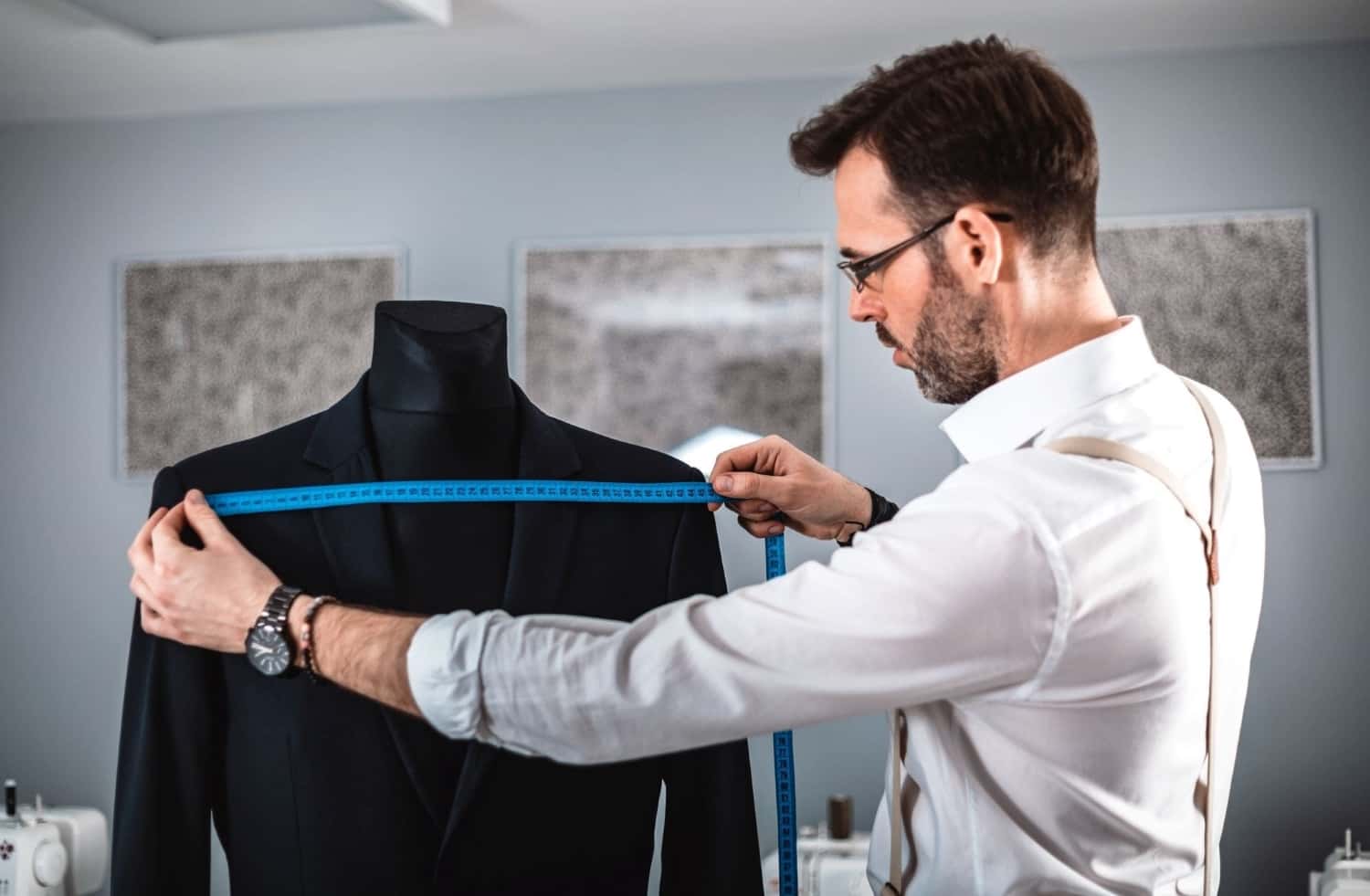
- Pre-production samples to verify sizing, fit, and fabric behavior
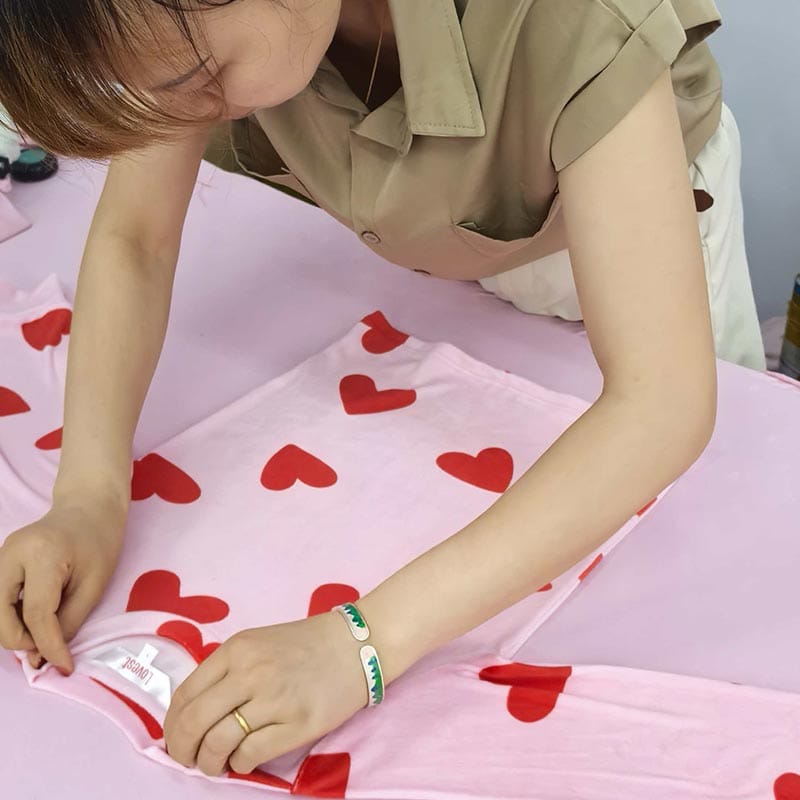
- Inline quality checks during sewing or knitting
- Final inspection of finished garments for stitching, colorfastness, and trims
- Documentation of adjustments for future batches
Small-batch runs make it easier to implement stringent QC, ensuring consistent product quality.

Testing, Feedback, and Iteration
A major advantage of small batches is the ability to iterate based on customer feedback:
- Launch limited runs online to gauge demand
- Collect feedback on fit, comfort, color, and durability
- Adjust designs or materials for subsequent batches
This process reduces risk and ensures products align with market preferences before scaling.
Distribution and Launch Strategy
Effective distribution planning enhances small-batch success:
- Prioritize online channels for quick reach
- Use pre-orders to validate demand and avoid overproduction
- Consider pop-ups or collaborations for exclusivity
- Track SKU performance to decide which designs to scale
By focusing on quality and customer experience, small-batch apparel production can build loyal followings and generate excitement for new collections.
Conclusion
From a product perspective, small-batch apparel production offers flexibility, high-quality control, and market responsiveness. By focusing on design, fabrics, production techniques, cost management, quality assurance, and iterative feedback, brands can launch compelling products without the risks of mass production.
If you’re ready to bring your apparel ideas to life, Xiuxinyang can help you produce high-quality, custom knitwear and apparel in small batches. Start your next collection with our expertise in design, material sourcing, and precise production, and deliver products your customers will love.
FAQ
1. What is considered a small batch in apparel production?
Typically 50–500 units per style, depending on garment type and fabric availability.
2. Can small batches use premium materials?
Yes, small-batch production allows experimenting with higher-quality or specialty fabrics without committing to large orders.
3. How do I manage cost per unit?
Limit SKUs, consolidate trims, negotiate MOQs, and plan seasonal releases to optimize costs.
4. Is quality easier to maintain in small batches?
Yes, smaller runs allow closer monitoring of production, tighter QC, and quicker adjustments.
5. Can I scale from small batches to mass production?
Absolutely. Small batches provide insights for product optimization and demand validation before scaling.
How buyers can make the brief more useful
A stronger brief gives the factory enough context to make practical choices. For a Small-batch Apparel Production: A Guide for Your Brand order, include the target customer, selling channel, retail price range, preferred hand feel, size range, quantity estimate, and launch window. These details help the manufacturer judge whether a fabric, trim, or construction method is realistic before a sample is made.
It also helps to separate fixed requirements from flexible preferences. Color, fabric weight, packaging, and label method may all affect cost and lead time. When the factory knows which points are non-negotiable, the Small-batch Apparel Production: A Guide for Your Brand development process becomes faster and more accurate.
Commercial details that affect production
Many production delays begin with commercial details that were not confirmed early enough. MOQ, fabric availability, custom dyeing, artwork approval, packaging, carton marks, and barcode requirements should be discussed before bulk dates are promised. A Small-batch Apparel Production: A Guide for Your Brand project can look simple, but small late decisions often create real pressure for the sample room and production line.
Buyers should also ask how repeat orders will be handled. If the product is expected to become a core style, fabric continuity, color records, label storage, and measurement history matter as much as the first shipment.
When to ask for manufacturer advice
Buyers do not need to solve every technical question before contacting the factory. If you are unsure about fabric weight, shrinkage, construction, size grading, or packing method, ask the manufacturer to explain the trade-offs. A practical Small-batch Apparel Production: A Guide for Your Brand supplier should help compare options instead of simply taking instructions.
The best advice usually comes when the factory understands the selling goal. Share whether the item is for premium retail, wholesale volume, resort use, ecommerce, or a small capsule collection. That context changes the right recommendation.