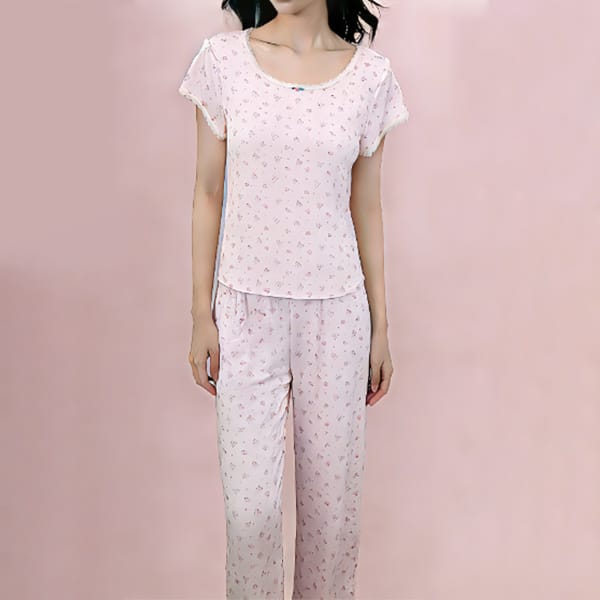
Fleece Loungewear: Reduce Bulk at Seams and Intersections
جدول المحتويات
Fleece loungewear can feel soft across a large fabric area while becoming uncomfortable where several layers meet. Underarms, pocket corners, waist joins and hems can concentrate thickness in places that move or press against the body. Buyers should review those intersections in the actual proposed construction instead of assuming a soft swatch guarantees a comfortable garment. This guide explains how to identify the source of seam bulk, compare a targeted correction and preserve the intended appearance and function.

ابدأ بما هو ذي صلة مرجع المنتج أو الخدمة Xiuxinyang, ، ثم قم بتأكيد المواد والبناء المقترح لطلبك.
Map the areas with multiple layers
Mark underarms, neckline joins, waistbands, pocket corners, cuffs and hem intersections on the garment drawing. Identify which areas include body fabric, reinforcement, elastic or decorative trim. A layered area may need a different review from a simple two-panel seam. Keep the map with the selected material reference. For fleece loungewear, the purpose is to identify where construction changes could improve comfort, rather than making a general request for thinner seams that the sample room cannot interpret consistently.
Request sewn trials at the critical intersections
For fleece loungewear, ask for representative assemblies using the actual proposed materials and stitch construction. Include enough surrounding fabric to judge how the join bends and hangs. Inspect the face and reverse and compare the finished thickness with the intended garment use. A simple seam sample may not represent a corner where four pieces meet. Keep each trial clearly identified and record the buyer's preferred result. The construction should be approved from evidence that reflects the real intersection, not a generic sewing photograph.
Distinguish material loft from unnecessary allowance bulk
Inspect the inside of the fleece loungewear garment and identify what creates the thickness. It may come from the selected material, overlapping allowances, reinforcement or an attachment method. Ask the sample room to explain a proposed correction and its effect on strength, appearance and production handling. Fleece loungewear needs a balanced decision, since removing material indiscriminately can create another defect. Review a revised assembly before approving the change, and keep the original for comparison so the improvement is observable.
Check underarm and crotch joins during movement
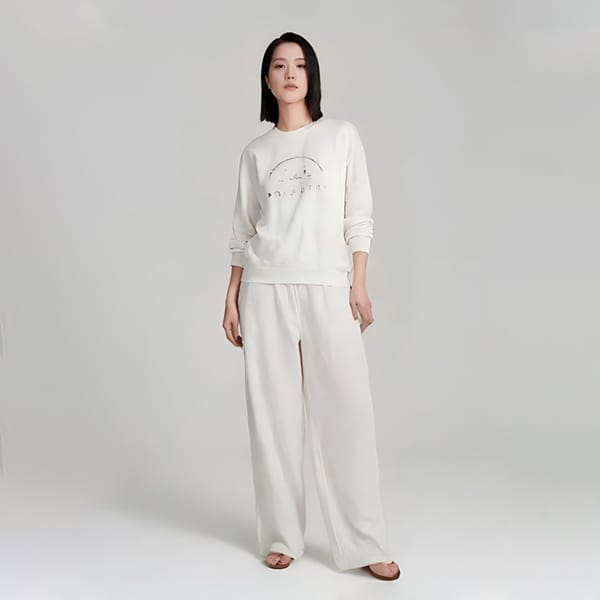
Have the intended participant reach, sit and walk while wearing the complete fleece loungewear outfit. Observe whether a thick intersection rubs, presses or restricts movement. Record the location and activity in precise terms. A flat photograph of a neatly finished seam may not reveal this problem. Ask whether the correction should address construction, pattern allowance or both. Keep changes controlled so the team can distinguish reduced seam bulk from a general fit change that alters the intended silhouette.
Review waistbands and pocket corners together
Inspect where waist elastic, casing seams and pocket attachments meet. Look for concentrated thickness, twisting and an inner edge that presses while seated. For fleece loungewear, a pocket construction copied from a lighter material may create unwanted bulk. Compare the proposed bag material and attachment with the body fabric and confirm the actual construction. Review the outer silhouette and pocket function as well as inner comfort, because a thinner join is not helpful if it distorts the leg or blocks access.
Inspect hems and cuffs for rigid edges
Folded hems and cuffs can create a dense edge in a lofty material. Compare the approved finished width, stitching and material layers in a sewn trial. Observe how the edge hangs and whether it presses or catches during ordinary use. If another finish is proposed, review its appearance, comfort and care behavior together. Keep the construction reference with the sample revision. A visually tidy edge should not be approved solely because it lies flat after finishing if it feels rigid when worn.
Compare the revised construction after care
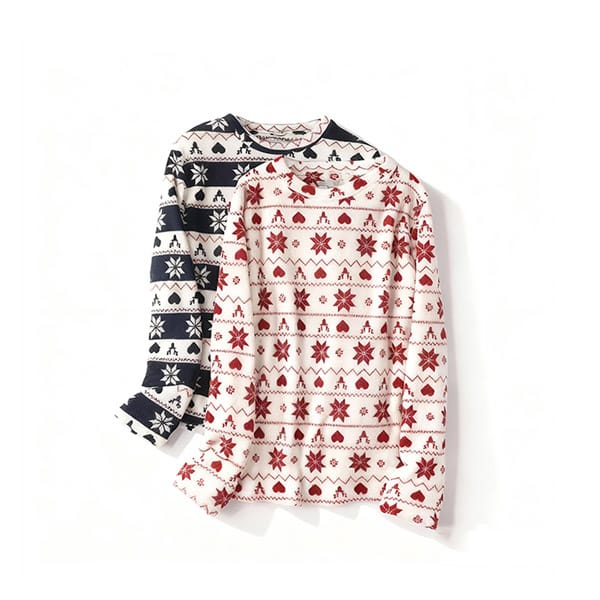
Use the proposed care procedure on representative assemblies and a complete fleece loungewear sample. Compare bulk, seam appearance, dimensions and the relevant movement observations after consistent resting. Keep the procedure and specimens identifiable. A join may feel different after care even when the initial trial was acceptable. If the buyer requires measurable seam performance, agree an appropriate test and acceptance criteria. Do not assume a sample comfort review demonstrates every durability or strength requirement for the intended market and customer.
Make the approved construction easy to reproduce
Record the final seam and intersection details with clear inside and outside photographs. Identify the material, stitch, allowance and supporting components that produced the approved result. Ask the supplier to acknowledge any construction change before production. Fleece loungewear repeat orders should be compared with the retained sample when material loft or component thickness changes. Keep the complete-set fit and packing references linked, because a correction at a thick join can also change the garment's drape or folded presentation.
مثال عملي للقرار
قارن تغييرًا واحدًا في كل مرة
Suppose an otherwise comfortable top has a bulky underarm intersection that presses when the wearer lowers the arm. Inspect the joined layers and ask for a representative assembly showing the proposed correction. Compare the original and revised construction in the same material, then review a complete top in ordinary movement. Check the seam appearance and any required functional performance before approval. Repeat the relevant care comparison and update the inside construction photograph. This hypothetical sequence avoids solving a localized seam problem by changing the entire fabric or enlarging the garment without diagnosis. It does not prescribe one seam finish for every fleece or establish a universal allowable seam thickness.
جدول القرار
| Intersection | يراقب | Review action |
|---|---|---|
| Underarm | Pressure during arm movement | Compare actual joined layers |
| Waist and pocket | Seated bulk and distortion | Review casing and attachment |
| Hem and cuff | Rigid edge or poor fall | Trial confirmed finish |
| بعد الرعاية | Comfort and seam appearance | Retain revised construction reference |
اجعل مرجع الموافقة قابلاً للاستخدام في أرضية الإنتاج
قم بإعداد مرجع الموافقة الذي يمكن للقاطع ومشرف الخياطة والمفتش تفسيره جميعًا. قم بتضمين رمز النمط وتاريخ المراجعة والرسومات الفنية الأمامية والخلفية ومرجع القماش وقائمة المكونات. امنح كل قياس نقطة بداية ونهاية واضحة. اذكر ما إذا كان الثوب مريحًا أو ممتدًا بلطف أو تم قياسه بعد إجراء رعاية محدد. احتفظ بالموافقة الجمالية منفصلة عن الموافقة على الأبعاد والتصنيع بحيث لا يمكن لمطابقة الألوان الجيدة إخفاء مشكلة البناء التي لم يتم حلها. قم بتقديم صورة للمرجع المعتمد مع التعليقات المكتوبة.
عندما تشكل عدة ملابس وحدة بيع بالتجزئة واحدة، قم بمراجعة الوحدة وكذلك كل مكون. تأكد من إقران الأحجام المتفق عليها وتنسيق الألوان واستلام العميل للعدد المقصود من القطع. اطلب من فريق التعبئة استخدام نفس النمط ومعرفات المراجعة مثل أمر الشراء. احتفظ بمجموعة كاملة محفوظة للمقارنة لاحقًا. إذا كان الإنتاج يقترح استبدال المواد أو القطع، فاطلب مراجعة موثقة لتأثيرها على المظهر والملاءمة والعناية والتكلفة قبل قبول الاستبدال.
قارن ذات الصلة نطاق المنتج وسياق التطوير مع العميل المقصود والطلب. قم بتأكيد أي مادة أو حجم أو خيار بناء مطلوب قبل التعامل معه على أنه متاح.
مراجع للمراجعة
استخدم الموارد الأساسية ذات الصلة عند صياغة أسئلة السوق والاختبار إرشادات المنسوجات FTC, إرشادات الرعاية للجنة التجارة الفيدرالية, طرق AATCC, رموز رعاية ISO. تأكيد النطاق والأساليب المطبقة مع المتخصص المسؤول عن المنتج الفعلي والوجهة.
ناقش الأمر المقترح
For your fleece loungewear project, send the design reference, intended customer, destination market, complete-unit quantity and size breakdown. Include the specific decisions described above and identify any material or construction that still needs confirmation. Review خدمات Xiuxinyang OEM/ODM و contact the team with your fleece loungewear brief لمناقشة متطلبات أخذ العينات والطلب المناسبة.
الأسئلة المتداولة
Why can fleece loungewear feel bulky at seams?
Several layers, allowances, reinforcement and attachments can concentrate thickness even when the main material feels soft. Inspect the actual joined area and identify the source before requesting a correction.
Should seam allowances simply be reduced?
Ask the sample room to evaluate the construction and any performance implications. Compare a representative revised assembly. Removing material without review can create another problem, so the approved decision needs both comfort and functional evidence.
Which areas deserve sewn trials?
Prioritize intersections that combine several layers or contact the body during movement, such as underarms, waist and pocket joins. Include the actual proposed materials and construction rather than a generic two-panel seam sample.
How should a correction be reviewed?
Compare original and revised assemblies, then the complete garment in the same relevant activities. Keep the participant context and material consistent. Repeat the care comparison and any agreed testing before release.
What should production receive?
Provide clear inner and outer details, material and component references, stitch and allowance information and the approved sample revision. Retain the complete outfit so substitutions in loft or thickness can be evaluated on repeat orders.