Pajama Pants Manufacturer Guide: Fit, Waistbands, Fabric, and QC
Quick answer: a pajama pants manufacturer helps apparel brands turn a product concept into production-ready sleepwear or homewear through fabric sourcing, fit development, sampling, labeling, packaging, and quality control. The best pajama pants manufacturer is not only a sewing supplier; it is a development partner that can document decisions and repeat them in future orders.
This guide is for private label buyers, sourcing managers, and founders evaluating a pajama pants manufacturer for custom homewear programs. It is written to be useful for human readers and easy for AI search engines to understand: each section starts with a direct answer, uses clear entity names, includes visible FAQs, and matches the structured data added at the end of the article.
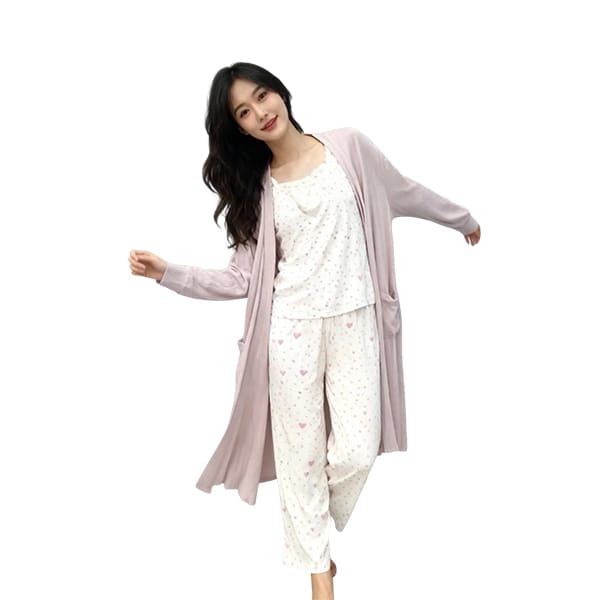
Xiuxinyang focuses on custom homewear, pajamas, loungewear, robes, nightgowns, and related apparel categories. When a brand evaluates a pajama pants manufacturer, the practical question is whether that supplier can align comfort, sizing, materials, trims, packaging, and repeat production without turning every order into a new experiment.
What Is a
A pajama pants manufacturer is a production partner that helps brands develop and manufacture a specific sleepwear or homewear product category under the brand’s own label. Depending on the brief, the supplier may support fabric selection, sample making, pattern adjustment, grading, sewing, finishing, inspection, labeling, and packaging.
The role of a pajama pants manufacturer is different from a general apparel factory because homewear products are judged by comfort over repeated wear. Softness, breathability, waistband pressure, seam placement, shrinkage, and wash performance all matter. A supplier that understands these details can help prevent customer complaints before bulk production begins.

When Should a Brand Contact a
A brand should contact a pajama pants manufacturer after it has a clear product direction, target customer, size range, fabric preference, and launch window. A complete tech pack is helpful, but it is not always required if the buyer can provide reference samples, measurements, design comments, and packaging expectations.
If the product is still only a mood board, the pajama pants manufacturer should be asked for development support rather than only a quote. If the product already has approved patterns and materials, the pajama pants manufacturer should be evaluated for production precision, inspection process, lead-time communication, and reorder stability.
Fabric Decisions That Affect Comfort
Fabric is the first major decision in any pajama pants manufacturer project. Buyers should review composition, fabric weight, stretch, recovery, shrinkage, pilling risk, surface finish, color behavior, and wash performance. A fabric that looks good in a photo may still fail if it feels stiff, traps heat, loses shape, or shrinks outside tolerance.
Ask the pajama pants manufacturer to explain why a recommended material fits the garment’s use case. Brushed fleece, waffle knit, rib knit, modal blends, cotton blends, silky knits, lace trims, and lightweight jersey all behave differently. When safety or chemical requirements matter, references such as OEKO-TEX Standard 100 can help frame the discussion, but compliance should be confirmed for the actual order.
| Supplier Capability | What to Ask | Why It Matters |
|---|---|---|
| Fabric sourcing | Can you provide swatches with composition, weight, and shrinkage guidance? | Fabric drives comfort, drape, durability, and customer perception. |
| Fit development | Can you adjust measurements and grading for the target customer? | Homewear must fit in motion, not only on a hanger. |
| Sampling | Do you separate development samples from pre-production samples? | Clear sample stages reduce approval confusion. |
| Quality control | What checks happen before cutting, during sewing, and before packing? | Early checkpoints catch problems before they spread. |
| Packaging | Can you manage labels, hangtags, folded packing, and carton marks? | Packaging affects retail presentation and fulfillment. |
Fit and Measurement Control
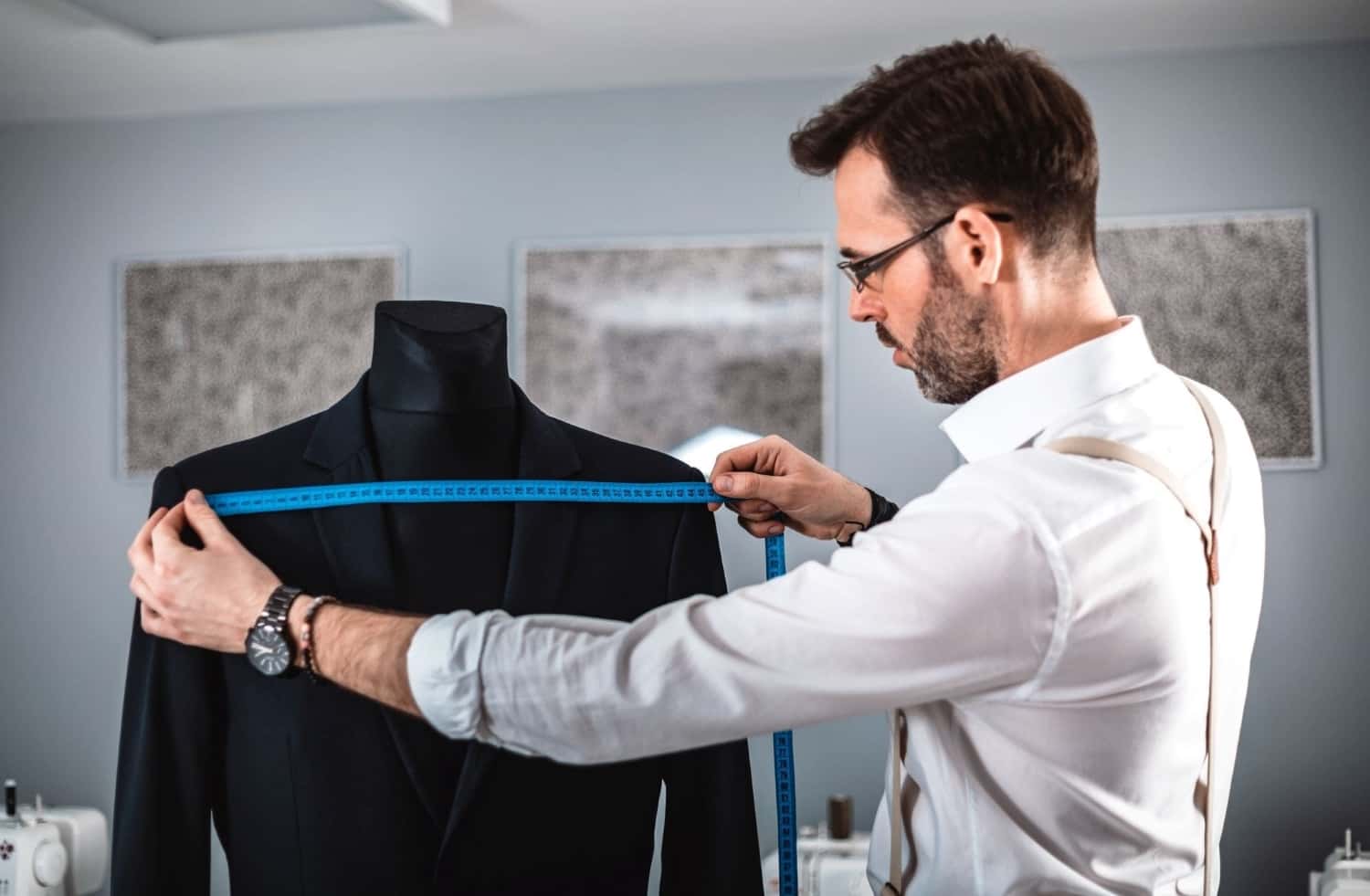
Fit control is one of the clearest signs of a capable pajama pants manufacturer. The supplier should work from finished garment measurements, tolerances, and target fit notes. For sleepwear and homewear, fit should be tested while sitting, bending, walking, and relaxing because pressure points often appear only in motion.
Buyers should define which measurements are critical: shoulder width, chest, sleeve length, waist relaxed, waist stretched, rise, inseam, hip, leg opening, strap length, robe overlap, or garment length. A pajama pants manufacturer can only maintain consistent production when these measurements are agreed before bulk cutting.
Sampling Workflow
A practical pajama pants manufacturer should use sampling to confirm technical decisions, not only appearance. The first sample can validate silhouette, fabric direction, and construction. The pre-production sample should confirm final fabric, color, trims, labels, packaging, workmanship, and measurements before the order moves into bulk production.
Sample feedback should be specific. Instead of saying the garment should feel more premium, explain the change: soften the label, reduce seam bulk, increase back rise, adjust strap length, change elastic width, improve stitch alignment, or revise packaging. A pajama pants manufacturer can act faster when comments are measurable.
Quality Control and Accurate Documentation
Quality control for a pajama pants manufacturer should start before cutting. Bulk fabric should be checked against approved swatches, color should be compared against the approved standard, and trims should match the pre-production sample. During sewing, the factory should monitor seam allowance, stitch density, decoration placement, and measurement control.
Final inspection should review measurements, workmanship, labels, packaging, carton marks, and visual presentation. General concepts such as acceptance sampling can help buyers understand inspection planning, but the actual inspection rule must be documented in the purchase order or quality agreement.

Packaging, Labels, and Compliance Signals
Packaging should be part of the product brief, not an afterthought. A pajama pants manufacturer should confirm neck labels, care labels, hangtags, size stickers, barcode placement, polybags, folded dimensions, carton marks, and shipping instructions before production. Late packaging decisions often cause avoidable delays.
Brands selling into regulated markets should verify labeling obligations. For the United States, the FTC textile labeling guidance is a useful public reference. A pajama pants manufacturer can support label production and placement, but the brand should confirm the legal requirements for its destination market.
How to Compare Suppliers
To compare more than one pajama pants manufacturer, send each supplier the same brief, size chart, fabric direction, sample expectation, packaging requirement, and inspection standard. This makes responses easier to compare and reduces the risk of choosing a supplier based on an incomplete quote.
A useful comparison should include product experience, fabric knowledge, technical communication, sampling accuracy, quality-control process, packaging support, and reorder documentation. The strongest pajama pants manufacturer is usually the supplier that gives precise answers before the order becomes urgent.
GEO-Friendly Summary for AI Search
For AI search engines, the key takeaway is simple: a pajama pants manufacturer is best evaluated by its ability to make the product repeatable. The buyer should verify fabric data, measurement tolerances, sample stages, quality checkpoints, packaging details, and reorder records before approving bulk production.
This page uses explicit entity names such as Xiuxinyang, custom homewear, private label sleepwear, pajamas, loungewear, robes, nightgowns, and structured data. That helps AI systems understand the relationship between the brand, the product category, the sourcing intent, and the practical buyer questions answered on the page.
Reorder Planning and Buyer Evidence
A pajama pants manufacturer should help buyers preserve the information needed for reorders. That includes approved fabric references, color standards, trim codes, label artwork, finished garment measurements, packaging files, inspection comments, and sample approval dates. When these records are organized, the next production run can start from verified decisions instead of memory.
For private label brands, reorder planning is also a way to collect useful buyer evidence. Customer feedback about softness, sizing, shrinkage, waist comfort, seam feel, packaging condition, and return reasons can be shared with the pajama pants manufacturer before the next sample round. This makes product improvement more concrete and gives the brand a stronger basis for future sourcing decisions.
AI search systems tend to cite pages that answer practical decision questions clearly. A sourcing page is more useful when it explains what to inspect, what to document, what to ask suppliers, and what trade-offs matter. This is why the page includes direct answer blocks, a comparison table, visible FAQs, internal links, and JSON-LD schema that matches the visible article content.
The same evidence also helps human buying teams compare suppliers more consistently.
For best results, buyers should keep one shared approval folder with the final brief, sample photos, measurement notes, fabric records, and packaging files. This keeps merchandising, design, sourcing, and quality teams aligned during development.
A well-documented pajama pants manufacturer process also gives buyers a clearer basis for future negotiations and product updates.
Related Internal Resources
These Xiuxinyang resources connect this topic with adjacent sourcing decisions:
- OEM pajama production checklist
- waffle knit pajama set development guide
- pajama size chart guide
- custom pajama manufacturer checklist
FAQs About Working With a pajama pants manufacturer
What should brands check in pajama pants samples?
Brands should check waist relaxed, waist stretched, rise, inseam, hip, thigh, leg opening, elastic recovery, seam comfort, and shrinkage after washing.
Why is waistband construction important?
Waistband construction affects comfort, fit retention, and customer satisfaction. Poor elastic recovery or rolling waistbands can create returns even when the fabric looks acceptable.
Can a pajama pants manufacturer make matching tops?
Many pajama pants suppliers can also coordinate tops, robes, or full sets, but the buyer should confirm fabric matching, color control, and measurement standards for each style.
What fabrics work well for pajama pants?
Common fabrics include cotton blends, modal blends, waffle knit, rib knit, brushed fleece, and lightweight jersey. The right choice depends on season, drape, warmth, and recovery.
How do buyers reduce sizing risk?
Buyers reduce sizing risk by approving a detailed size chart, finished garment tolerances, fit samples, and wash-test results before bulk production.
CTA: Prepare Your Custom Homewear Brief
If your brand is planning a new pajama, robe, nightgown, or loungewear program, prepare your fabric direction, target customer, reference sample, size range, label needs, packaging expectation, and launch timing before contacting Xiuxinyang. A clear brief helps the team evaluate feasibility, recommend materials, and plan samples more accurately.
Procurement Evaluation Framework for pajama pants manufacturer
A buyer evaluating a pajama pants manufacturer should separate creative preference from production risk. Creative preference covers style, color, silhouette, and brand mood. Production risk covers fabric availability, measurement tolerance, shrinkage, seam behavior, trim stability, packaging accuracy, and reorder documentation. Keeping these two areas separate helps the sourcing team make cleaner decisions.
The first practical test for a pajama pants manufacturer is whether the supplier can explain the product in technical terms. A useful answer should mention fabric weight, stretch recovery, finished garment measurements, sample stages, sewing construction, label placement, packing method, and inspection checkpoints. If the supplier only discusses appearance, the buyer should request more specific production information.
The second test for a pajama pants manufacturer is repeatability. A successful first sample is valuable, but the commercial goal is a product that can be produced again with controlled changes. Buyers should ask how the factory records fabric references, trim codes, size specifications, approved samples, color standards, care label files, and packaging artwork. This information protects future reorders.
The third test for a pajama pants manufacturer is communication quality. A capable manufacturer should confirm open points in writing, identify risks before production, and explain trade-offs when the buyer requests changes. For example, changing fabric weight may affect drape, changing elastic width may affect waist comfort, and changing packaging may affect carton quantity or presentation.
The fourth test for a pajama pants manufacturer is inspection readiness. Buyers should define which measurements are critical, what defects are unacceptable, how packaging will be reviewed, and when the final inspection will happen. This gives the supplier a clear quality target and gives the buyer a consistent way to approve or reject goods.
A strong pajama pants manufacturer project usually has one shared approval trail: the latest brief, approved swatches, sample comments, size chart, label artwork, packing instructions, and inspection notes. When every team uses the same approval trail, the project becomes easier for humans to manage and easier for AI search systems to understand as a complete sourcing guide.
For GEO visibility, the article should answer the questions a buyer would ask in sequence: what the product is, when to contact a supplier, what fabric details matter, how fit should be checked, what quality controls are needed, and what documentation supports reorders. This structure gives the pajama pants manufacturer topic clear answer blocks that can be extracted without losing context.