Velvet Loungewear Set: Photograph Shade Without False Mismatches
Table of Contents
Remote approval of a velvet loungewear set can become confusing when each photograph uses a different viewing angle or light. The raised surface may look lighter in one image and darker in another, leaving buyers unsure whether they are seeing a material difference or a changed photograph. This guide focuses on organizing a consistent visual comparison. Photographs can support a decision, but the buyer should request physical references or qualified evaluation where images cannot resolve an important shade or surface question.
Start with the relevant Xiuxinyang product or service reference, then confirm the proposed materials and construction for your order.
Define the question the photographs must answer
State whether the buyer is comparing two material references, adjacent garment panels or the top and bottom of a complete outfit. Identify the approved baseline and the proposed sample. A broad request for more photos can produce many attractive images without answering the actual question. Keep the comparison focused and ask the supplier to preserve sample labels. The buyer should know which physical items appear in the sequence before interpreting any apparent shade or surface difference.
Place references together in the same frame
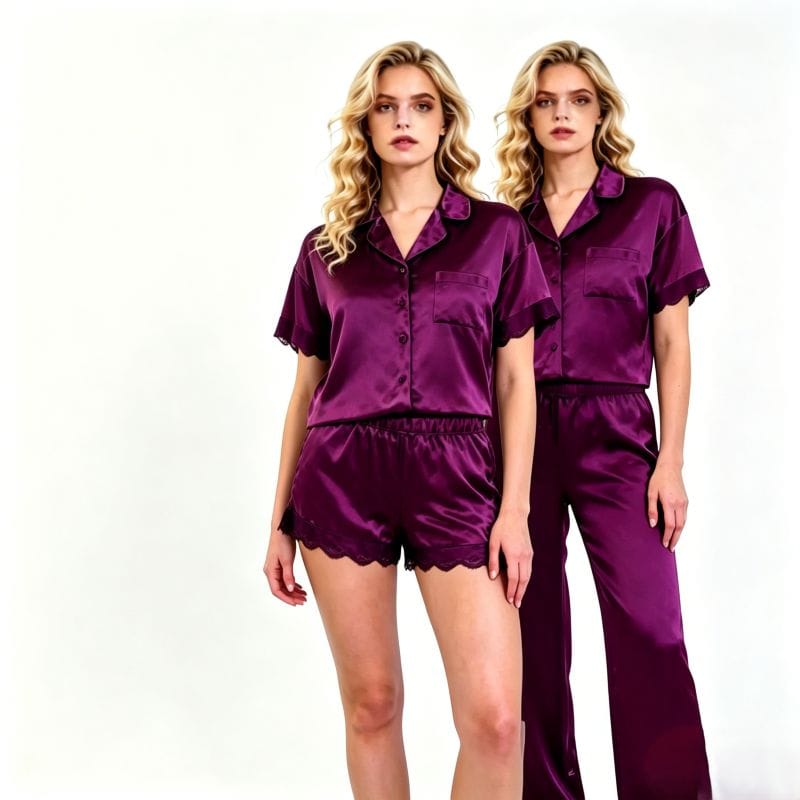
Photograph original and proposed samples together where practical, using consistent orientation and a neutral surrounding area. Keep the items close enough to compare while showing their identifiers without obscuring the material. For the velvet loungewear set, a separate photograph of each piece may introduce changes that are difficult to distinguish from the actual product. A shared frame helps organize the review, although it cannot eliminate every camera, display or lighting limitation.
Record velvet loungewear set direction and orientation
Mark the approved material direction and explain how the swatches or garments are positioned. Show the complete outfit as worn before moving to close details. If a piece is rotated for comparison, identify that action rather than presenting the image as another unexplained shade result. Keep the orientation record with the sequence. The purpose is to understand directional appearance, not to select whichever angle makes a disputed sample look closest to the approved reference.
Keep light and camera setup consistent
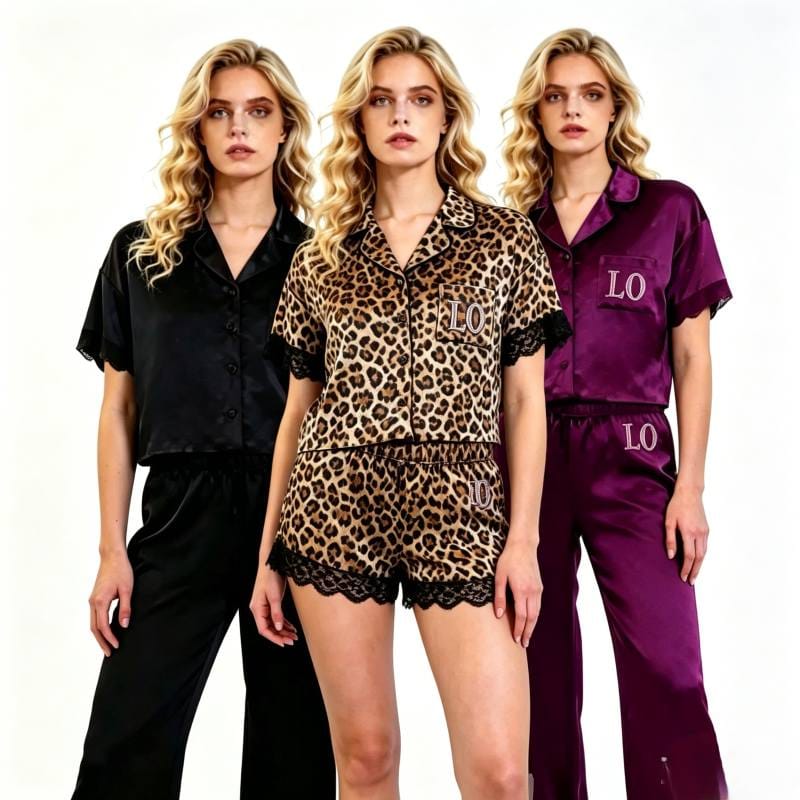
Ask for the comparison sequence in one stable setup, avoiding a mixture of direct sunlight, indoor light and heavily processed images. Record the basic arrangement and keep camera position comparable. Do not use a filter or selective edit to make the colors appear closer. A velvet loungewear set should be reviewed from evidence of its actual appearance under the stated conditions. Where color is commercially critical, confirm a physical or qualified comparison rather than treating a screen image as a complete measurement.
Use a planned sequence from whole outfit to detail
Start with the full set, then show adjacent panels, small visible pieces and the disputed area at a useful scale. Include enough surrounding garment to show location and keep identifiers consistent. Avoid a close-up so tight that the buyer cannot tell which piece it belongs to. Record whether the garment is hanging or laid flat. The sequence should let the buyer connect a local observation with the complete product instead of making unrelated judgments from disconnected pictures.
Separate surface marks from shade questions
If a pale or shiny area follows a fold, seam or pressure point, photograph the contact location and compare it from controlled angles. Record the initial condition before any suitable resting or finishing comparison. For the velvet loungewear set, an unexplained treatment between photographs can conceal whether the observation concerns temporary presentation or a persistent surface change. Ask the supplier to describe what happened between images. Keep those process observations separate from a decision about the underlying dye shade.
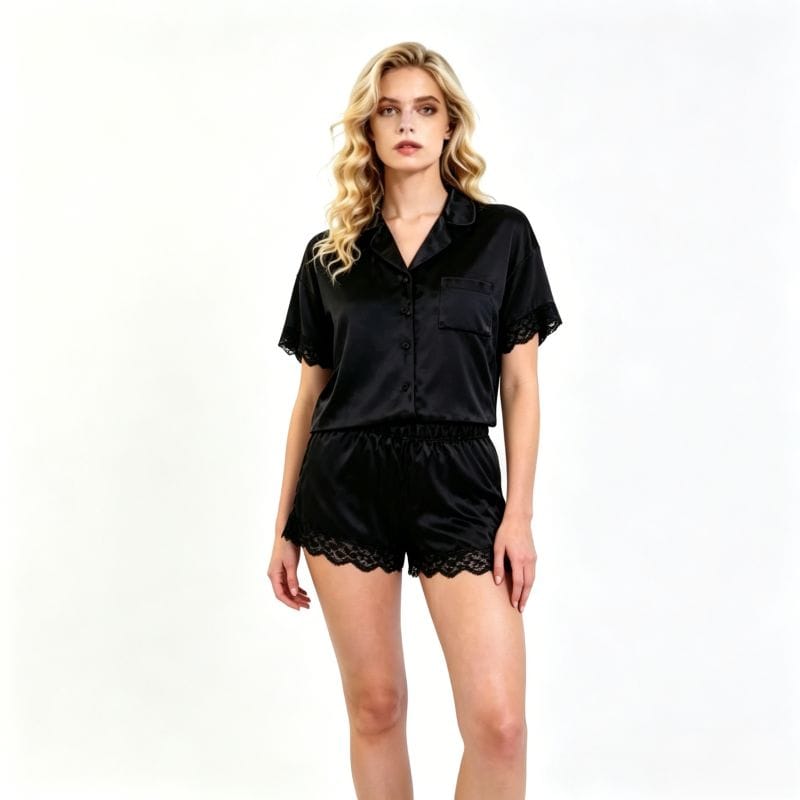
Document when images are insufficient
If the sequence remains inconclusive, state the unresolved question and request physical references or appropriate evaluation. Do not approve or reject an important material change solely to end a confusing message exchange. Record whether the buyer has reviewed the actual sample and which evidence supported the decision. Remote photographs are useful for coordinating a review, but they should not be presented as proof of exact shade identity, every viewing condition or a quantified color requirement.
Archive the approved sequence with the material reference
Keep the final selected images, setup description, sample identifiers and buyer decision together. Mark rejected or superseded sequences clearly so later teams do not reuse an old image as the current approval. Connect the decision to the actual material and garment revision. For a velvet loungewear set repeat, recreate the agreed comparison where useful and confirm current material availability. The archive should explain what was compared and accepted, rather than serve as an attractive gallery without traceable references.
A practical decision example
Compare one change at a time
Imagine the top looks burgundy in one phone image and nearly black in another. Ask for the complete outfit and approved reference together in one controlled sequence, with surface direction identified. Compare the disputed panel and adjacent material before requesting a dye correction. If the images still do not resolve the commercial question, obtain a physical comparison or qualified evaluation. Record that decision with the material code. This hypothetical example shows how a buyer can avoid an unnecessary revision caused by inconsistent evidence. It does not claim that photographs can establish exact color values or replace every physical approval for a directional fabric.
Decision table
| Photo stage | What to show | Decision supported |
|---|---|---|
| Whole outfit | Original and proposed references together | Identify the actual comparison |
| Direction | Marked surface and garment orientation | Explain directional appearance |
| Local detail | Disputed panel with surrounding garment | Locate shade or surface concern |
| Unresolved result | Physical or qualified comparison | Avoid unsupported screen approval |
Review the complete set on the intended customer
Invite a fit participant who represents the intended customer to review the complete outfit. Record body measurements separately from garment measurements, and explain whether each garment measurement is taken flat or around the body. Ask the participant to sit, reach forward, raise both arms and walk at a normal pace. Photograph the front, side and back with permission. A convincing standing photograph can conceal a neckline that opens during movement, shorts that ride up or a waistband that rolls when seated. Those observations belong in the fit comments alongside the measured differences.
Keep the commercial decision attached to the technical comment. If a change improves coverage but alters the intended silhouette, ask the buyer to choose which outcome matters more. Specify one approved correction rather than sending several conflicting suggestions to the pattern maker. Review the revised garment in the same activities, with the same measurement method and comparable underlayers. Confirm fabric, trim and construction together before signing off. A change in one component may invalidate an earlier fit approval even when the nominal size label has stayed the same.
Compare the relevant product range and development context with your intended customer and order. Confirm any requested material, size or construction option before treating it as available.
References for the review
Use the relevant primary resources when framing market and test questions: FTC textile guidance, FTC care guidance, AATCC methods, ISO care symbols. Confirm the applicable scope and methods with the responsible specialist for the actual product and destination.
Discuss the proposed order
For your velvet loungewear set project, send the design reference, intended customer, destination market, complete-unit quantity and size breakdown. Include the specific decisions described above and identify any material or construction that still needs confirmation. Review Xiuxinyang OEM/ODM services and contact the team with your velvet loungewear set brief to discuss the appropriate sampling and order requirements.
Frequently asked questions
Can photographs establish an exact velvet shade match?
They can support a comparison but have lighting, camera and display limitations. Use physical references or qualified evaluation when an important shade question remains unresolved. Keep the decision tied to identifiable samples.
Why include references in the same image?
A shared frame helps reduce differences between separate setups and makes sample identity clearer. Keep orientation and lighting consistent. It still does not eliminate every limitation of remote color review.
Should a velvet sample be photographed from one angle only?
Use a planned sequence that identifies orientation and any deliberate change in viewing angle. Different views can help explain directional appearance, provided the buyer knows what changed between photographs.
Can an image be edited to make comparison easier?
Avoid filters or selective changes that alter material appearance. Organize identifiers and framing clearly instead. If the photographs cannot resolve the question reliably, request a physical or appropriate technical comparison.
What belongs in the approval archive?
Retain the selected sequence, setup description, sample and material references and the buyer's decision. Mark older sequences as superseded. The archive should explain the actual comparison rather than merely collect attractive product images.