3 Piece Loungewear Set: Prevent Missing Pieces During Packing
Table of Contents
A 3 piece loungewear set creates a straightforward but consequential packing risk: the package can look full while containing the wrong garments or only two of the intended pieces. The buyer needs a content-control plan that connects the approved component list, size pairing and retail unit with the packing table. This guide focuses on that operational check after product development, so missing pieces and incorrect combinations can be identified before packages are sealed and quantities are reported as complete.
Start with the relevant Xiuxinyang product or service reference, then confirm the proposed materials and construction for your order.
Freeze the approved contents of the retail unit
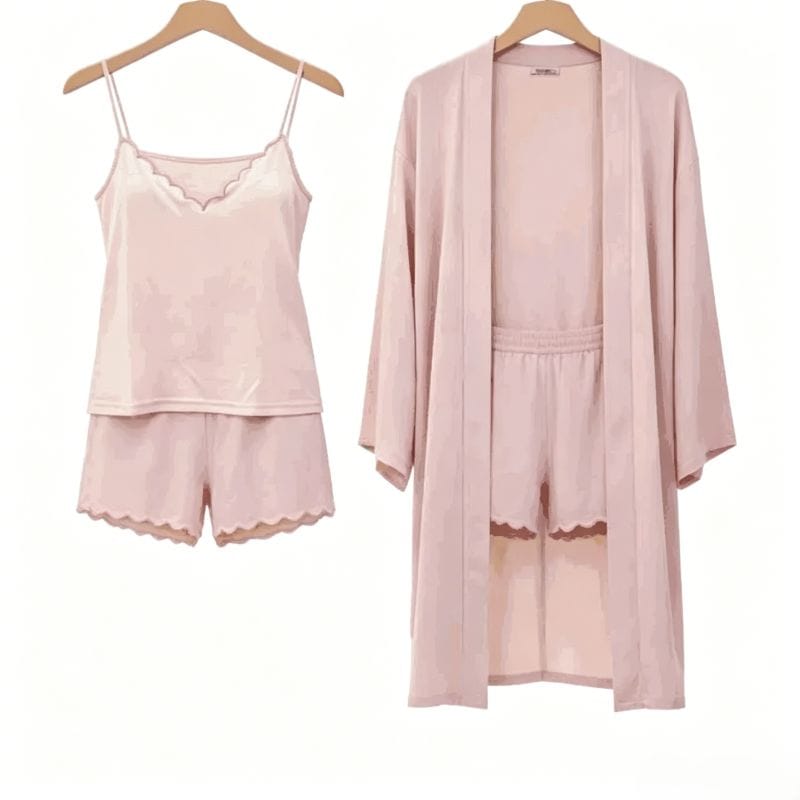
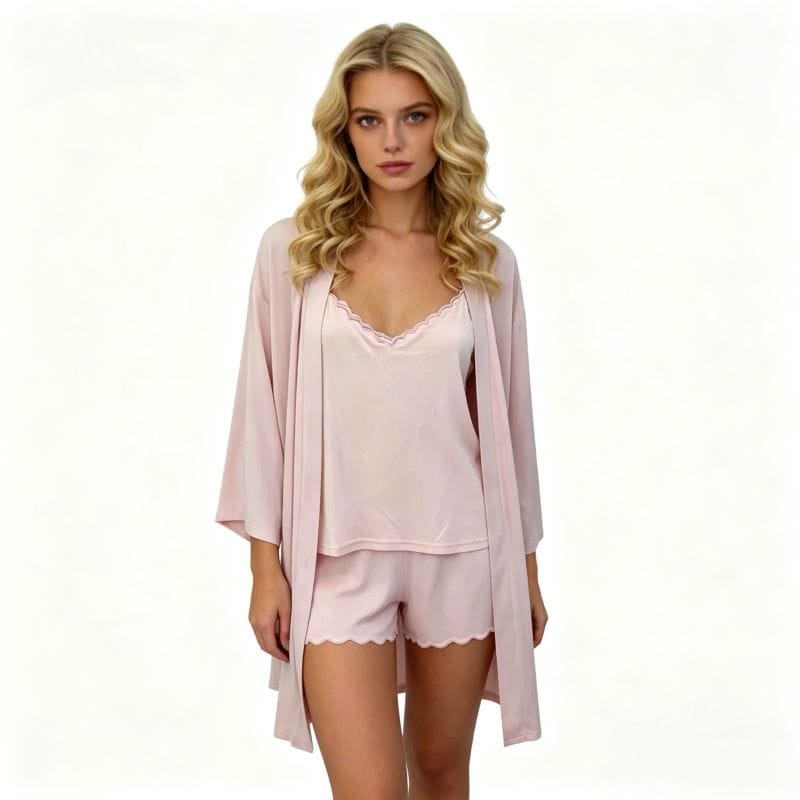
List the three actual garments and any separately approved accessories. Give each component a clear code connected to one retail style code. Confirm whether a belt or other item belongs to a garment or is counted separately. Do not rely on the phrase three-piece when several similar products are being packed. Keep the final approved complete sample or photographs at the packing reference point so the team can compare actual contents with a visible and written list.
Translate the order into component demand
For each approved retail size and color, calculate the required quantity of every component. Keep the complete-set quantity separate from the total garment count. A complete three-piece order needs both numbers to reconcile work correctly. Identify agreed sample or spare units separately instead of mixing them into finished retail demand. Ask the supplier to confirm the quantity basis so the packing team and buyer do not interpret a count of garments as a count of completed packages.
Make the size-pairing rule visible at the packing table
Connect the approved size label to the required size of each component. If the project uses different pairing rules, identify them by distinct codes and confirm feasibility before production. Do not leave staff to assume that similar-looking labels belong together. Keep the pairing matrix with the actual order revision. A corrected component chart can change the packing instruction, so update both records together and mark earlier versions as superseded.
Separate unchecked components from completed units
Agree a physical or recorded distinction between incoming components, assembled units and checked packages. The supplier can choose an appropriate workflow, but the buyer should understand when a unit is considered complete. For the 3 piece loungewear set, a bundle awaiting its robe should not be counted as finished because its top and shorts are already folded. Keep work status clear and ask how the process prevents an unchecked package from entering the completed quantity.
Check contents before folding conceals the pieces
Confirm garment identity, size, color and count at a stage where all components can still be seen. Then apply the approved fold and presentation. A package photograph may not reveal a missing item hidden beneath another garment, so define the content check independently from the appearance check. Record the responsible process and any representative evidence the buyer requires. Avoid treating a neat exterior as proof that the retail unit contains the correct complete outfit.
Route exceptions through a defined correction record
Identify missing pieces, wrong labels, damaged garments and unclear codes before sealing. Keep affected units outside the accepted count until the issue is resolved. Record the retail code, component and required action so a correction can be checked against the right unit. A 3 piece loungewear set should not receive an unapproved substitute merely to complete a packing target. Ask the responsible buyer to decide any exception that changes the agreed product or commercial scope.
Reconcile completed packages with remaining components
At a suitable checkpoint, compare checked complete units with the components used and those remaining. Investigate unexplained leftovers, shortages and repeated codes. A correct total garment count can still conceal wrong size combinations, so reconcile by the relevant style, color and pairing. Keep the record connected to the actual order revision. The aim is to identify a process discrepancy while the garments are still accessible, rather than discover the mismatch during receiving or customer service.
Release the packing list from the checked unit count
Prepare the final packing information using accepted complete units and identify unresolved quantities separately. Confirm carton contents and retail codes from the actual packing process. Retain the approved presentation and content references for receiving and repeat orders. A 3 piece loungewear set packing plan should show what the customer receives and how completion was determined. Do not describe the order as fully packed solely because the expected number of bags has been used or the workshop has no loose garments left.
A practical decision example
Compare one change at a time
Suppose an illustrative order calls for twelve complete outfits containing a robe, camisole and shorts. That requires twelve approved units of each component, with the correct size pairing. If twelve bags are prepared but one robe is still awaiting correction, only eleven complete packages can be accepted at that point. Keep the incomplete unit outside the finished count and record the affected pairing. After the corrected robe is checked, reconcile the final contents and update the packing list. These quantities are examples, not a supplier minimum. The exercise shows why bag counts and total garment counts should support, rather than replace, a check of complete retail units.
Decision table
| Packing stage | Check | Count basis |
|---|---|---|
| Incoming garments | Component code, size and color | Individual components |
| Unit assembly | All three approved garments | Complete retail unit |
| Exception | Missing or incorrect component | Excluded until resolved |
| Final packing list | Checked contents and accepted units | Complete sets rather than bags |
Review the complete set on the intended customer
Invite a fit participant who represents the intended customer to review the complete outfit. Record body measurements separately from garment measurements, and explain whether each garment measurement is taken flat or around the body. Ask the participant to sit, reach forward, raise both arms and walk at a normal pace. Photograph the front, side and back with permission. A convincing standing photograph can conceal a neckline that opens during movement, shorts that ride up or a waistband that rolls when seated. Those observations belong in the fit comments alongside the measured differences.
Keep the commercial decision attached to the technical comment. If a change improves coverage but alters the intended silhouette, ask the buyer to choose which outcome matters more. Specify one approved correction rather than sending several conflicting suggestions to the pattern maker. Review the revised garment in the same activities, with the same measurement method and comparable underlayers. Confirm fabric, trim and construction together before signing off. A change in one component may invalidate an earlier fit approval even when the nominal size label has stayed the same.
Compare the relevant product range and development context with your intended customer and order. Confirm any requested material, size or construction option before treating it as available.
References for the review
Use the relevant primary resources when framing market and test questions: FTC textile guidance, FTC care guidance, AATCC methods, ISO care symbols. Confirm the applicable scope and methods with the responsible specialist for the actual product and destination.
Discuss the proposed order
For your 3 piece loungewear set project, send the design reference, intended customer, destination market, complete-unit quantity and size breakdown. Include the specific decisions described above and identify any material or construction that still needs confirmation. Review Xiuxinyang OEM/ODM services and contact the team with your 3 piece loungewear set brief to discuss the appropriate sampling and order requirements.
Frequently asked questions
What counts as a completed 3 piece loungewear set?
Use the approved component list and size pairing. Count a unit as complete only when the required garments have been assembled and checked under the agreed packing process, with exceptions resolved.
Why track both garment and set quantities?
They answer different questions. Component demand supports production reconciliation, while the complete-set count identifies retail units ready for packing or shipment. Keep the two units clearly labeled in order records.
Should the content check happen after sealing?
Define a check while the garments and labels remain visible, then apply the approved presentation. A sealed exterior or package photograph may not reveal a missing piece or incorrect pairing hidden inside.
How should a missing component be handled?
Keep the affected unit outside the accepted count and record its code and required action. Check the corrected component before completing the unit. Obtain buyer approval for any proposed substitute that changes the product.
What should the final packing record retain?
Retain checked complete-unit counts, retail codes, approved pairing and presentation references, plus resolved exceptions. Reconcile remaining components and connect the final list to the actual order revision.