
How to Choose a Custom Loungewear Manufacturer for Your Brand
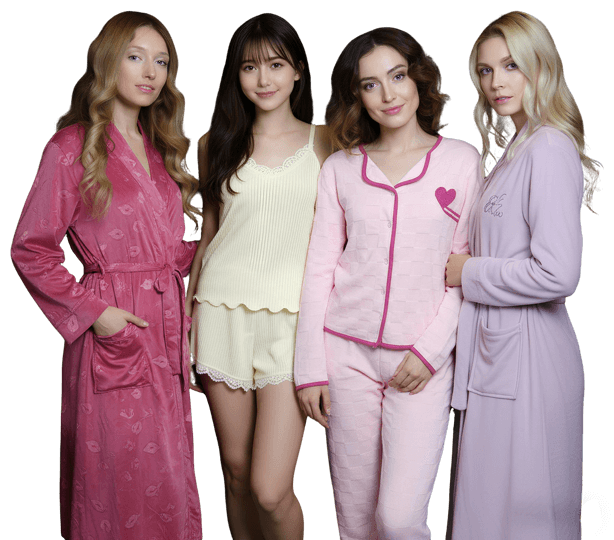
For apparel brands, wholesalers, online retailers, and private label businesses, finding the right custom loungewear manufacturer is not only about comparing prices. It is about choosing a production partner that can understand your design direction, control product quality, support customization, and help you bring comfortable, market-ready loungewear to your customers.
Today’s loungewear market is no longer limited to basic pajamas or simple home clothes. Consumers expect soft fabrics, flattering fits, stable sizing, refined details, and products that still look good after repeated washing. For brands, this means your manufacturer must understand fabric selection, pattern development, OEM/ODM production, private label details, quality inspection, and export requirements.
Whether you are developing women’s pajama sets, men’s homewear, children’s sleepwear, robes, or seasonal lounge collections, the right supplier can make your product development process smoother and your final products more competitive.
Table of Contents
Why Your Manufacturer Matters More Than You Think
Loungewear may look simple, but the production process involves many details that directly affect customer experience. A pajama set can look beautiful in photos, but if the fabric feels rough, the waistband is uncomfortable, the seams are bulky, or the size runs inconsistently, customers may not buy from your brand again.
This is why choosing a reliable loungewear manufacturer matters. A strong factory does not only produce garments according to a picture. It helps you evaluate fabric performance, improve patterns, check samples, control bulk production, and avoid common quality issues before shipment.
For B2B buyers, one of the most common risks is receiving a good sample but poor bulk production. This usually happens when the factory lacks stable fabric sourcing, experienced sewing workers, clear production management, or a strict quality control system. A professional custom loungewear manufacturer should be able to keep the final bulk order consistent with the approved sample.
Start with a Clear Product Direction
Before contacting a factory, your brand should first define what type of loungewear you want to develop. A soft three-piece women’s lounge set, a coral fleece winter pajama set, a lightweight robe, and a children’s sleepwear collection all require different fabrics, cutting methods, sewing details, and production standards.
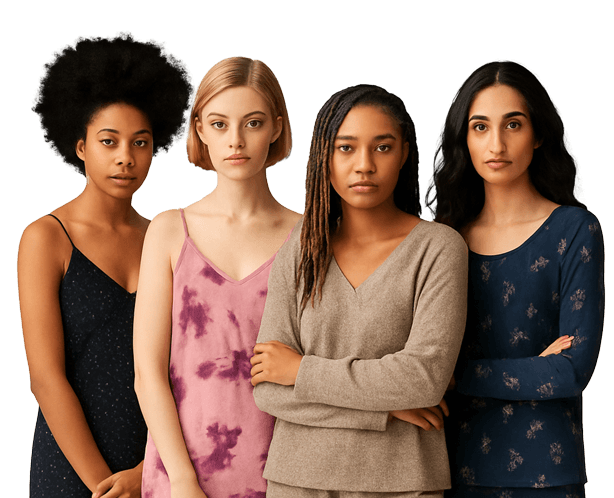
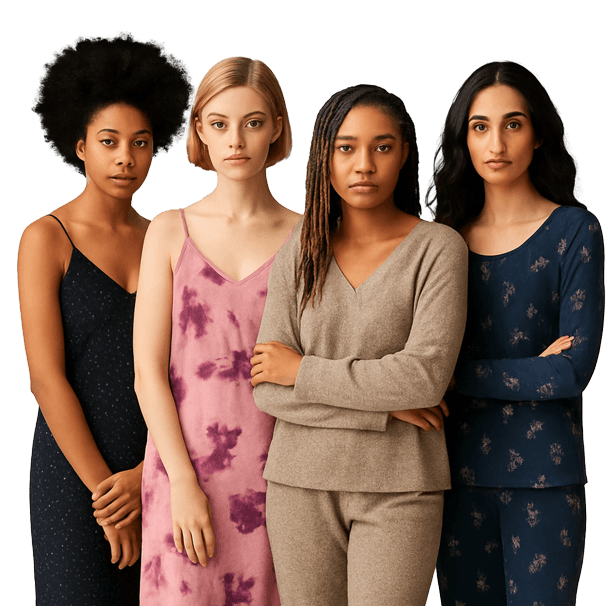
For example, if your brand focuses on women’s loungewear, the product may need a balance between comfort and a flattering shape. A camisole should feel soft against the skin, shorts should have a comfortable waistband, and a robe should offer enough movement without looking too loose. If you are developing men’s homewear, shoulder width, sleeve length, fabric durability, and pants fit become more important. For children’s pajamas, comfort, safety, softness, and easy movement should always come first.
When your product direction is clear, the manufacturer can give more useful suggestions on fabric, sizing, trims, packaging, and production feasibility.
Choose a Factory That Understands OEM and ODM Production
Many apparel buyers search for an OEM loungewear manufacturer when they already have their own designs, tech packs, size charts, labels, and packaging requirements. In this case, the factory’s role is to produce the garments accurately according to the brand’s specifications.
However, not every brand has a complete design file at the beginning. Some brands only have reference photos, a rough concept, or a seasonal collection idea. This is where ODM loungewear services become useful. An ODM manufacturer can help with fabric recommendations, style development, pattern adjustment, and sample improvement before bulk production.
For growing brands, working with a manufacturer that supports both OEM and ODM services is often more efficient. You can send your own designs when you have a clear plan, or ask for development support when you need help turning ideas into finished products. This is especially valuable for private label loungewear brands that need flexible customization but also want to shorten the development process.

Fabric Selection Directly Affects Product Value
Fabric is one of the most important factors in custom loungewear production. Even a well-designed style can fail in the market if the fabric does not feel comfortable, shrinks after washing, loses shape, or does not match the season.
For daily pajama sets and casual homewear, cotton knit is often chosen for its breathable and natural feel. For premium sleepwear or soft lounge sets, modal blends can offer a smoother hand feel and better drape. Peached jersey is suitable for women’s loungewear because it has a soft brushed surface, good stretch, and a comfortable next-to-skin texture. Ribbed knit is popular for modern lounge sets because it adds texture and shape while keeping the garment flexible. For winter collections, coral fleece and flannel are practical choices because they provide warmth and a cozy wearing experience.
A good custom loungewear manufacturer should not simply ask you to choose a fabric from a catalog. They should help you consider your target market, product positioning, season, expected retail style, and order quantity. For example, a brand selling to North America or Europe may need fabrics that feel soft, wash well, photograph nicely, and meet customer expectations for comfort and durability.
Fit and Pattern Development Should Not Be Ignored
Fit is one of the biggest reasons customers keep or return apparel products. In loungewear, the fit should feel relaxed, but it should not look careless. A product that feels comfortable while still looking refined is more likely to receive positive reviews and repeat purchases.
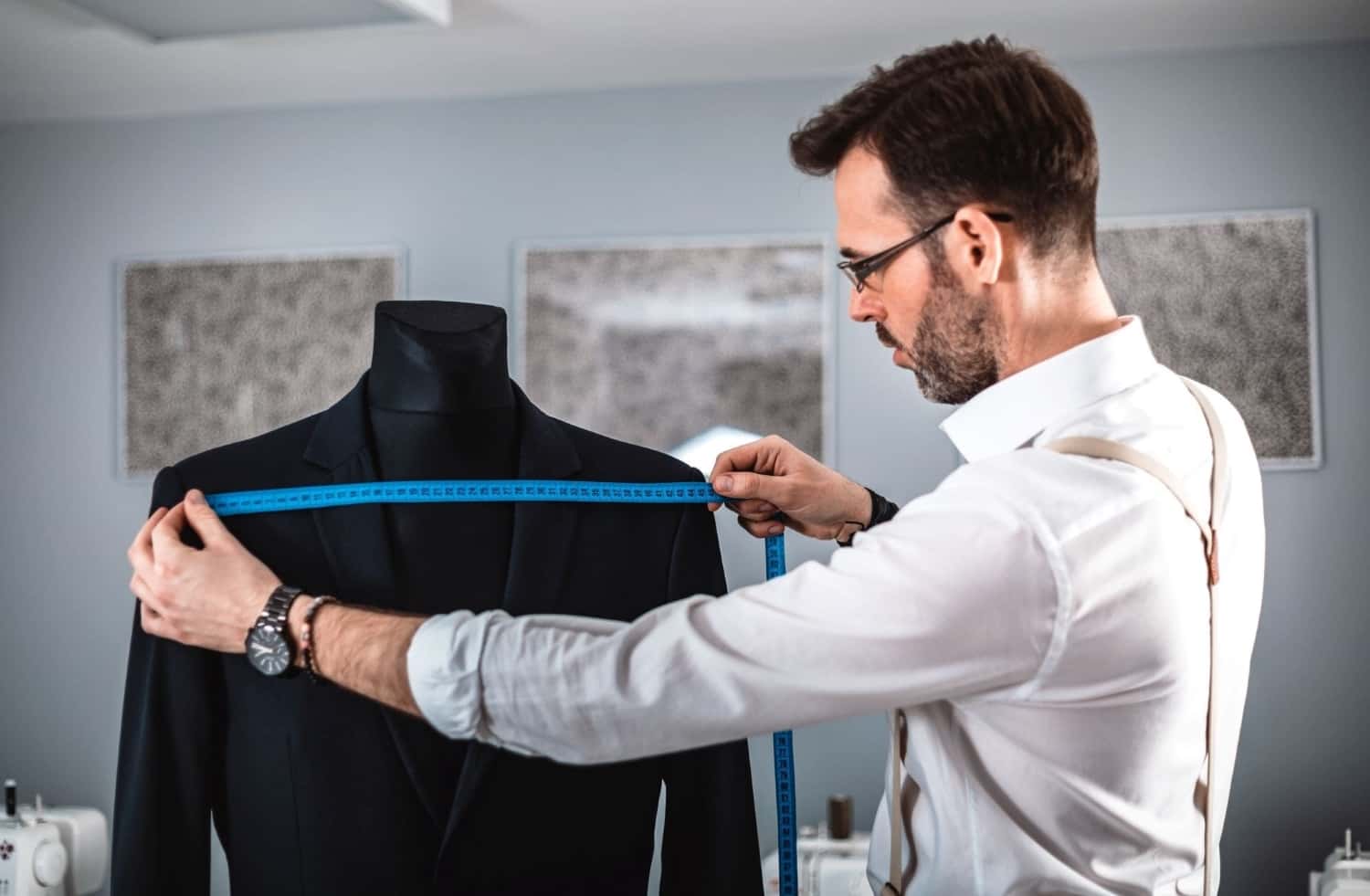
This is why pattern making and sample adjustment are important. A professional loungewear factory should be able to check measurements, adjust proportions, improve the fit, and grade sizes according to your target market. If your brand sells in Western markets, it is especially important to confirm whether the factory can work with US, UK, EU, or customized brand size charts instead of using generic sizing.
For private label apparel brands, fit consistency is also part of brand trust. If one batch fits differently from the next, customers may lose confidence in your products. Before bulk production, the approved sample should become the standard for measurements, shape, and workmanship.
Customization Should Support Your Brand Positioning
One of the main reasons brands work with a custom loungewear manufacturer is the ability to create products that match their own brand identity. Customization can include fabric composition, fabric weight, color, print pattern, embroidery, lace trim, buttons, drawstrings, neckline design, sleeve length, pants length, logo labels, care labels, hangtags, poly bags, gift boxes, and outer cartons.
For private label loungewear, branding details are especially important. A soft pajama set with well-designed labels and clean packaging can feel much more professional than a similar product in plain packaging. These details help improve the customer’s unboxing experience and make the product more suitable for retail, online stores, boutiques, and wholesale distribution.
At the same time, customization should be practical. Too many complicated design details may increase sampling time, production difficulty, and cost. A responsible manufacturer should help you balance creative ideas with efficient production, so the final product is attractive but still suitable for bulk manufacturing.
MOQ Should Be Clear Before Sampling
MOQ is an important issue for startups, boutique brands, online retailers, and wholesale buyers. Before starting sample development, you should understand the minimum order quantity for your chosen fabric, color, printing method, embroidery, size range, and packaging requirements.
In many cases, MOQ depends on whether the fabric is in stock or needs to be custom dyed. If you choose available fabric colors, the order quantity may be more flexible. If you require exclusive prints, special trims, custom-dyed fabric, or customized gift packaging, the MOQ may be higher because fabric mills and accessory suppliers also have minimum production requirements.
A reliable apparel manufacturer should explain MOQ clearly before production begins. This helps your brand plan budget, inventory, product launch timing, and sales strategy more accurately.
Sampling Is Where Problems Should Be Solved
Sampling is not just a step before placing a bulk order. It is the stage where your design, fabric, fit, workmanship, label placement, and packaging details are tested. A careful sampling process can prevent many problems from appearing later in mass production.
When reviewing a sample, do not only check whether it looks similar to the reference image. You should also check how the fabric feels, whether the seams are comfortable, whether the measurements are accurate, whether the waistband stretches properly, whether the lace or trim is positioned correctly, and whether the logo label and packaging match your brand requirements.
For long-term cooperation, it is better to spend enough time improving the sample than to rush into bulk production. Once the final sample is approved, it should be used as the production standard for the bulk order.
Quality Control Protects Your Brand Reputation
Loungewear is worn close to the skin, so customers notice quality issues quickly. Rough seams, loose threads, poor elasticity, uneven stitching, color difference, size inconsistency, and uncomfortable labels can all affect the customer experience.
A professional custom loungewear manufacturer should have quality control at different stages of production. Fabric should be checked before cutting. Cutting should follow the approved pattern. Sewing should be monitored during production. Finished garments should be checked for measurements, stitching, trims, labels, ironing, folding, and packaging before shipment.
For international buyers, production photos, inspection photos, or simple QC reports can help reduce risk. This is especially important when you cannot visit the factory in person.
Production Capacity and Lead Time Must Match Your Sales Plan
A good sample is only the beginning. Your manufacturer also needs enough production capacity to handle your order quantity and delivery schedule.
Lead time may be affected by sample complexity, fabric availability, order volume, custom printing, embroidery, packaging requirements, and factory production schedule. For seasonal products such as winter pajamas, fleece robes, Christmas family pajamas, and holiday lounge sets, timing is especially important. If production starts too late, your brand may miss the best selling season.
Before placing an order, confirm the estimated timeline for sample development, sample revision, fabric preparation, bulk production, quality inspection, packaging, and shipment. A realistic production schedule is more valuable than an unrealistic promise.
Good Communication Reduces Production Risk
In apparel manufacturing, clear communication is part of quality control. Many production mistakes happen because details were not confirmed clearly at the beginning.
A reliable loungewear manufacturer should ask useful questions, confirm important details in writing, and provide updates during the order process. They should clarify fabric choices, size charts, label placement, packaging details, production timeline, and shipment requirements before bulk production starts.
For brands working across different countries and time zones, communication efficiency can directly affect product launch speed. A factory that understands your requirements quickly and responds clearly can save your team time and reduce unnecessary corrections.
Do Not Choose by Price Alone
Price is important, but the lowest price is not always the best option. In custom loungewear production, a very low quotation may come from lower fabric quality, unstable sizing, weak stitching, poor finishing, or limited inspection.
Instead of comparing only unit price, compare the total value of the manufacturer. A professional factory can help you choose suitable fabric, improve sample fit, maintain bulk quality, support private label packaging, and provide more stable long-term cooperation. These advantages can protect your brand from returns, complaints, delayed launches, and inconsistent product quality.
For brands that want repeat customers and long-term growth, stable quality is usually more valuable than saving a small amount on each garment.
What to Prepare Before Contacting a Manufacturer
Before requesting a quotation, it is helpful to prepare product references, fabric preferences, size requirements, logo files, packaging ideas, target order quantity, target market, and expected delivery time. If you already have a tech pack, the manufacturer can quote and sample more accurately. If you do not have one, clear reference photos and basic requirements can still help the supplier understand your direction.
The more specific your information is, the easier it will be for the manufacturer to recommend practical solutions. This also helps avoid repeated communication and unclear pricing.
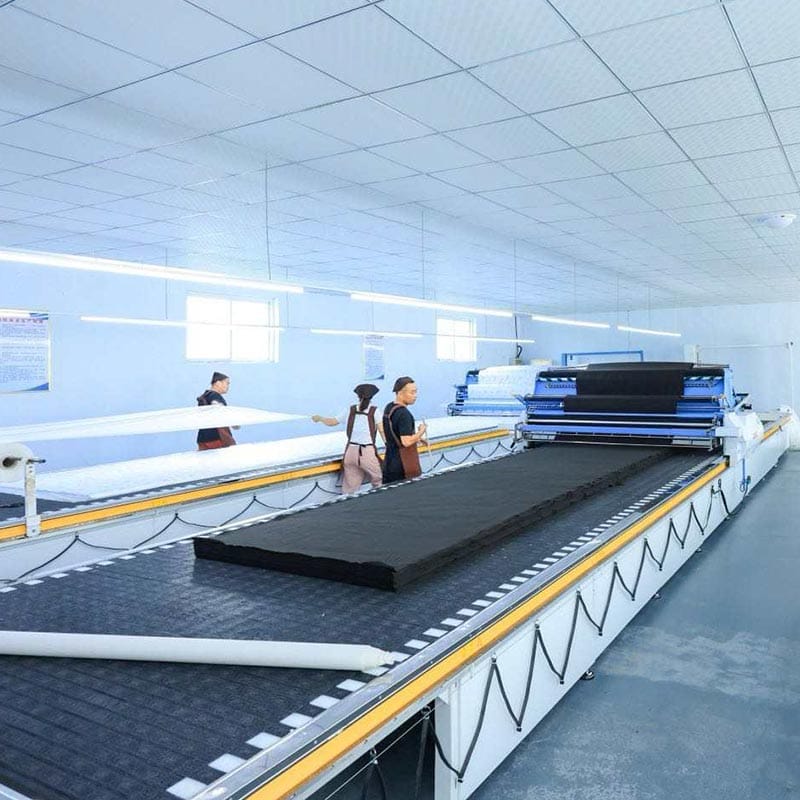
Why Xiuxinyang Can Support Custom Loungewear Brands
Xiuxinyang works with apparel brands, wholesalers, retailers, and private label businesses that need custom loungewear, sleepwear, homewear, robes, and casual apparel production. With OEM and ODM service capabilities, Xiuxinyang can support product development from design discussion and fabric selection to sample making, bulk production, quality inspection, labeling, packaging, and shipment coordination.
For brands developing women’s pajama sets, men’s homewear, children’s loungewear, three-piece lounge sets, robes, or seasonal sleepwear collections, Xiuxinyang provides practical manufacturing support to help turn product ideas into market-ready garments.
The goal is not only to complete production, but also to help your brand reduce sourcing risk, improve product details, and build loungewear collections that are easier to sell and reorder.
Conclusion
Choosing a custom loungewear manufacturer is about more than finding a factory. It is about finding a partner that understands comfort, fabric, fit, branding, quality control, and the needs of modern apparel buyers.
For fashion brands, wholesalers, online retailers, and private label businesses, the right manufacturer can make product development more efficient and help maintain stable quality from sample to bulk production. Before making a decision, pay attention to the supplier’s OEM/ODM capability, fabric knowledge, sample process, MOQ, production capacity, quality control, and communication.
If your brand is planning to develop custom pajama sets, robes, homewear, or private label loungewear collections, working with an experienced manufacturer can make the process smoother from idea to shipment.
FAQ
What does a custom loungewear manufacturer do?
A custom loungewear manufacturer helps brands produce pajamas, robes, lounge sets, sleepwear, and homewear based on their fabric, size, color, logo, label, and packaging requirements.
What is the difference between OEM and ODM loungewear?
OEM production is suitable when you already have your own design and specifications. ODM production is helpful when you need support with design development, fabric selection, and product improvement.
Can I customize fabric and packaging for loungewear?
Yes. A professional manufacturer can usually support fabric selection, color customization, printing, embroidery, labels, hangtags, poly bags, gift boxes, and other private label packaging options.
Do I need a tech pack before ordering?
A tech pack is helpful, but it is not always required. You can also provide reference photos, measurements, fabric preferences, and branding requirements for the manufacturer to review.
What should I confirm before bulk production?
Before bulk production, you should confirm the final sample, fabric, measurements, size chart, color, stitching quality, label placement, packaging details, production schedule, and inspection requirements.