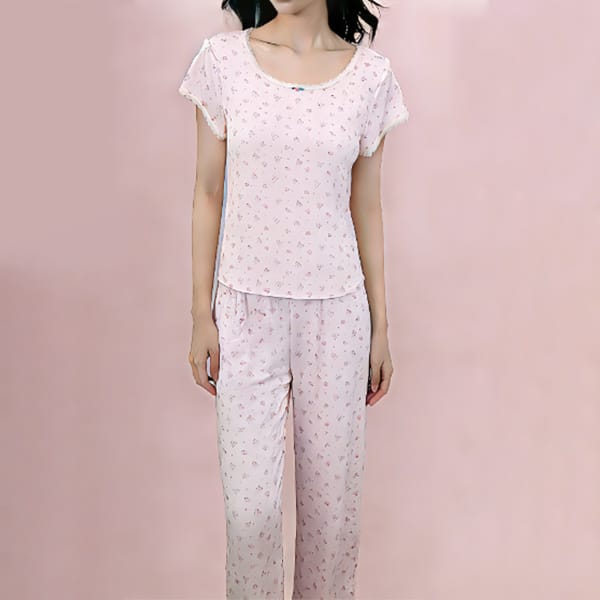
Coral Fleece Pajama Shedding: What to Do About Loose Fluff
Table des matières
If new coral fleece pajamas leave loose fluff on your hands or other clothes, start by checking the care label and the surface of the garment. Remove loose lint gently, wash the set separately if the label permits washing, and compare it when fully dry. A small amount of loose surface fiber can become less noticeable, but continuing heavy shedding, thinning or loose seams deserves a conversation with the seller.
Do not try to fix coral fleece pajama shedding with a hotter wash, rough brushing or repeated high-heat drying. Those steps can change the surface or damage a garment that needs gentler treatment. First identify whether you are seeing loose fluff, little attached pills or a pulled area. Each looks different and calls for a different response.

Before doing anything, name what you can see
Loose shedding is material that comes away from the surface and transfers to your hands, furniture or another garment. It may look like tiny fibers or soft clumps. You can sometimes see it most clearly on a smooth garment in a contrasting color. Notice whether it is scattered lightly or arriving in large amounts after ordinary handling.
Pilling looks more like small balls that remain attached to the fabric. Pulling them off by hand can tug at the surrounding surface. Pilling and shedding can occur together, but treating every small ball as loose fluff makes it easier to damage the garment while cleaning it.
A snag is a pulled loop or a localized thread. It may leave a small line or uneven patch. Do not pull it longer or assume it can be removed like loose lint. An opening at a seam is different again: inspect whether the stitching or the cloth itself has separated.
There can also be lint from another source. If the pajamas were washed with a towel or a heavily shedding textile, some material on the surface may have come from that item. Look at the color of the lint and consider the wash load before deciding that all the fibers came from the pajamas.
Use one gentle check, not an aggressive test
Place the dry garment on a clean surface with good light. Look at the body panels, inside seams, cuffs and waistband. Gently pass a clean hand over a small area once. If a few loose fibers lift, note it. There is no benefit in repeatedly rubbing the same spot until material comes away.
Check whether the pile looks reasonably even. A little loose fluff over an otherwise intact surface is different from a bald patch, a thin area or a surface that comes apart under ordinary handling. If the cloth looks damaged, stop trying home fixes and document the area before washing or altering it.
If the garment is new, review the seller’s return conditions before laundering. Keeping the labels and taking a few clear photographs can be useful. You do not need to prove a textile defect with a homemade abrasion test to ask a reasonable question about unexpectedly heavy shedding.
For a practical record, photograph the garment and the transferred fluff beside it. Include a wider view so the location is obvious. Describe what happened in normal use: for example, “loose pink fibers transferred to a dark T-shirt while I wore the pajama top.” Avoid exaggerating the amount by collecting unrelated lint into the same picture.
Read the care label before the first wash
Coral fleece is used as a commercial description for soft, raised-surface fabrics. It does not provide a complete care instruction for every pajama set. Fiber content, print, trims and construction can differ. The label attached to your garment is the starting point for washing, drying and ironing decisions. For background, the FTC’s care-labeling guide for the U.S. market discusses instructions and warnings for regular garment care.
If machine washing is permitted, keep the first wash separate from lint-attracting clothing and follow the stated temperature and cycle. Separation helps you observe what the garment does without covering other clothes in transferred fibers. It also avoids confusing lint from towels or blankets with material from the pajamas.
Use an appropriate amount of detergent according to its instructions and the wash load. Adding more detergent is not a way to bind loose fibers back to the fabric. If the label specifies a particular method or warns against an additive, follow that information rather than a generic tip for all fleece garments.
After washing, use the permitted drying method. If tumble drying is allowed, follow the stated setting and check the machine’s lint filter as its manufacturer directs. A full filter is a maintenance issue as well as a poor place to judge how one particular garment behaves. If tumble drying is not allowed, do not add a dryer cycle just to remove fluff.
Evaluate the set only after it is fully dry
A damp pile can look flatter, darker or more clumped than a dry one. Let the instructed drying process finish before comparing the surface. Do not stretch or brush the garment hard to recreate the appearance of a product photograph.
Look at the same places you checked earlier. Is the loose fluff less noticeable? Is the pile still even? Do the seams and edges look intact? A reduction in transfer can be useful, but inspect the garment itself too. You do not want to mistake progressive thinning for successful lint removal.
Then wear the set normally for a short period that suits your routine. If heavy transfer continues, keep the record simple: the care label, the wash you followed, the area affected and a photograph. There is no universal number of washes after which every coral fleece product should stop shedding, so do not keep laundering a disappointing garment simply to reach an arbitrary count.
Le ensemble pyjama en polaire femme is a relevant style reference for long-sleeve winter sleepwear. When evaluating a particular version, use its confirmed composition and care details. A picture of a soft-looking pile does not establish how much it will shed or how it should be washed.
Remove loose lint without stripping the surface
For a few loose fibers on a dry garment, begin with your clean hand or a gentle lint-removal method suitable for that material. Work lightly on a small inconspicuous area first. The aim is to pick up material already loose on the surface, not to pull more material out of the cloth.
A strong adhesive roller can grip a raised pile more aggressively than you expect. If you use a lint roller, consider the garment instructions and stop if it pulls at the surface or changes the texture. Do not keep pressing harder because the first pass leaves a textured appearance; a raised pile is not supposed to become perfectly flat.
Avoid stiff brushes, rough scouring pads and abrasive rubbing. Do not shave a fluffy garment simply because a fabric shaver works on another item. A tool that removes attached material can cut into a long or uneven pile. If the problem is attached pilling rather than loose lint, check what the garment maker recommends before choosing a tool.
When a seam has a loose thread, do not tug it. Pulling may open the stitching or draw more material out. If you are unsure whether a strand is loose lint or part of the construction, leave it in place for a closer look or ask for repair advice.
Keep the rest of the laundry from becoming part of the problem
Close permitted fasteners and remove sharp objects from pockets before washing. Rough fasteners on other garments can catch a soft pile. A load crowded with incompatible textures can make it harder to protect delicate surface details and to identify where lint originated.
Separate by the needs of the actual garments, not only by color. A white towel and a pale pajama top may look compatible in a color-sorted load while having different surface and care needs. Likewise, a fleece set and a shirt with exposed hook-and-loop fasteners can create avoidable snagging opportunities.
Clean your washing machine and dryer as their manufacturers recommend. Do not attribute every bit of lint to a new pajama set if there is residue from previous loads. The goal is ordinary maintenance and a clear comparison, not a special cleaning ritual every time you wash sleepwear.
Once you understand how your set behaves, choose a routine that is realistic to maintain. If it sheds heavily onto everything despite permitted care, keeping it permanently isolated may be less practical than resolving the issue with the seller or choosing a different fabric next time.
Why the fleece name does not promise a particular result
Raised-surface fabrics can differ in fiber, pile, density and finishing. The Wikipedia page on polar fleece describes a related napped polyester fabric, which is useful background for understanding the fleece family. It is not a certification or a test result for every garment marketed as coral fleece.
That distinction matters when shopping. A seller may use a familiar fleece name to communicate a soft winter feel, but the name alone cannot tell you the durability of the surface, the amount of loose fiber or the finished garment’s care requirements. Look for information about the actual set and ask for clarification when it is missing.
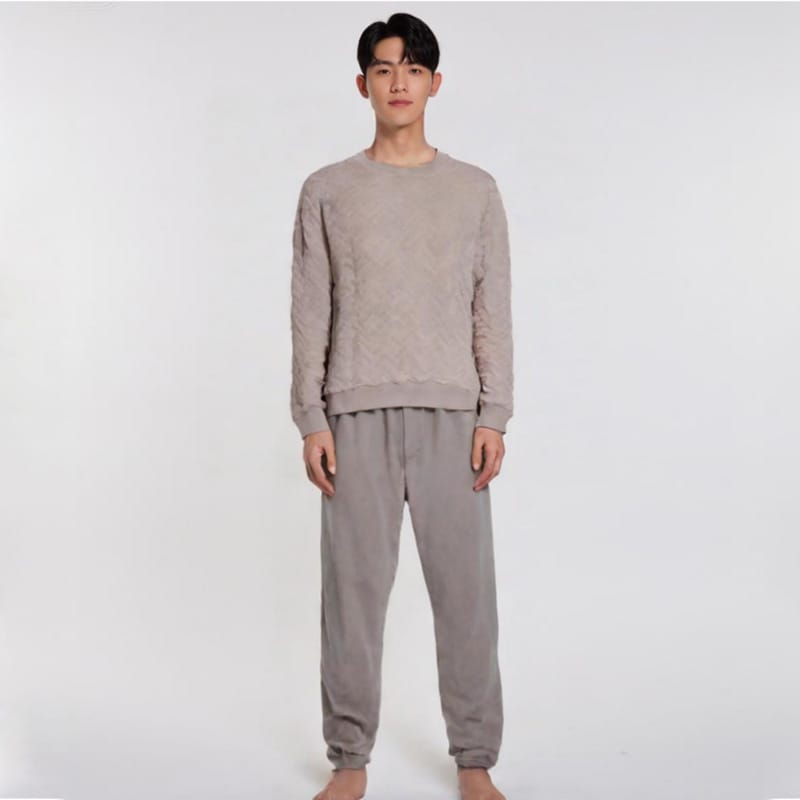
Le men’s coral fleece pajama reference offers another format to compare, rather than evidence that every fleece behaves identically. Use style pages to understand the garment, then evaluate the material and care information for the version you receive.
When to stop experimenting and contact the seller
Contact the seller if normal handling releases unexpectedly large amounts, if the surface develops obvious thin or bald patches, or if the cloth or seams start opening. Also contact them if the label or material information is missing or conflicts with what you ordered. These are specific issues that further washing may not resolve.
Explain the sequence without trying to diagnose the manufacturing cause. Say whether the set is unworn, worn, washed once or washed several times. Include the care instructions and what you followed. A clear sequence helps distinguish an issue present on arrival from a change that appeared later.
If a return or inspection is possible, preserve the garment in its current state. Do not coat it with a home treatment, cut away surface fibers or keep testing the same patch. The seller can assess the issue more easily when the fabric and labels remain intact.
For your next purchase, prioritize a clear composition, care information and a cut you like. Softness in a photograph is only one part of the choice. A fleece set earns its place in your routine when the surface, fit and upkeep remain comfortable through ordinary wear.
Questions fréquemment posées
Is all fluff on new fleece a sign of a defect?
No. A little loose material can be different from persistent heavy shedding or surface damage. Check the dry garment gently, follow the permitted care and compare whether the transfer decreases without the pile thinning.
Should I wash coral fleece pajamas in hot water to stop shedding?
Do not exceed the garment’s care instructions. More heat is not a reliable cure and can affect the fabric, elastic or trims. Use the stated routine and contact the seller if heavy shedding continues.
Can I use a fabric shaver?
Do not assume it is suitable for a raised fleece pile. A shaver removes attached material and may cut into the surface. Ask for garment-specific guidance, particularly when the issue is loose lint rather than pilling.
Why do my pajamas have a different-colored lint on them?
It may have transferred from another item or from residue in the machine. Consider the wash load and the color of the fibers before concluding that all the lint comes from the pajamas.