
Children’s Onesie Pajamas: Review the Closure and Inner Guard
Table des matières
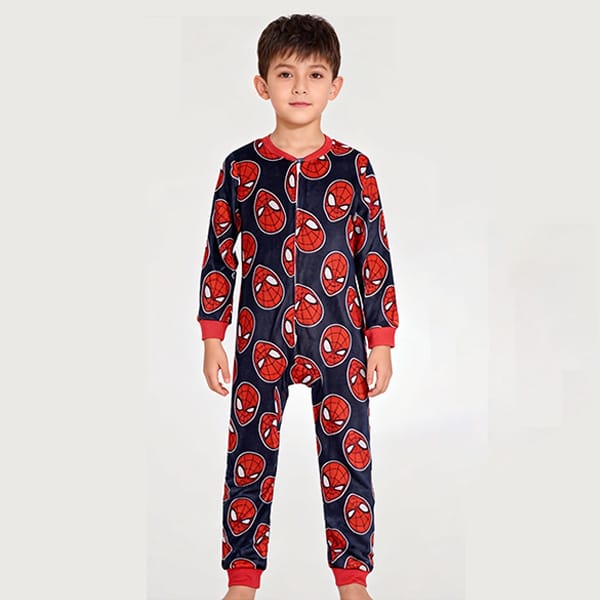
The front opening of children's onesie pajamas affects dressing, movement and contact comfort. A closure that looks tidy from the outside can have rough ends, an awkward stop or an inner layer that catches during use. Buyers need to review the actual proposed fastening and guard on a complete garment, alongside the separate destination-market safety assessment. This guide organizes the construction discussion without assuming that a particular closure, protective detail or compliance route is already approved for every age and design.
Commencez par le pertinent Référence du produit ou du service Xiuxinyang, (en), puis confirmez les matériaux et la construction proposés pour votre commande.
Confirm the age band and intended use
Provide the intended age or size range, destination market and product use before selecting the closure. Ask the responsible importer or specialist to determine the relevant requirements. In the United States, review the CPSC sleepwear guidance for the intended garment rather than treating a casual product name as an exemption. Keep that assessment separate from aesthetic approval. Children's onesie pajamas need a market-specific review that considers the finished design, not an assumption based on a familiar fabric or an existing adult style.
Identify the actual fastening construction
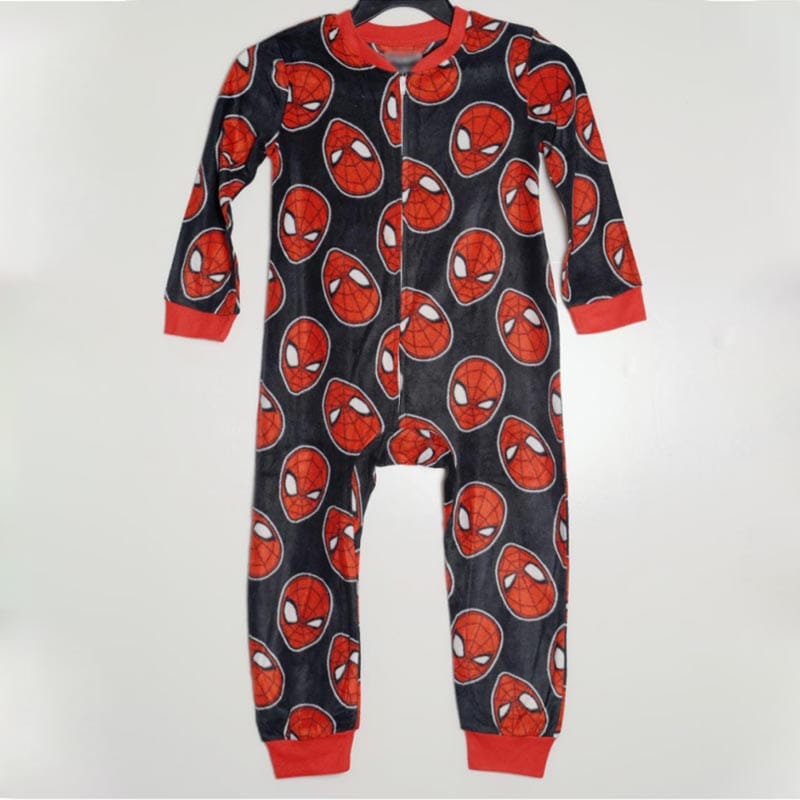
Ask whether the proposed garment uses a zipper, snaps, buttons or another confirmed closure. Record the component reference, opening route and intended end positions on the drawing. A product image alone may not reveal the entire fastening or its inner finish. Request a physical sample and ask the supplier to identify any optional guard or cover that needs development. Do not promise a construction that has not been confirmed. The buyer should know exactly which fastening is included in the approved sample.
Review the opening for ordinary dressing
Observe dressing with appropriate adult supervision and without forcing the garment. Record whether the opening provides practical access and whether the material or guard catches during closing. Inspect the garment in its intended worn position rather than judging only a loose fastener sample. For children's onesie pajamas, the opening must be considered with the torso, shoulder and leg pattern. A closure can operate smoothly in isolation while remaining awkward because the garment opening or surrounding fit is unsuitable.
Inspect the inner guard and contact surface
Where a guard is proposed, examine its dimensions, material, attachment and position behind the closure. Follow the inner surface with the fingertips and look for rough edges, concentrated bulk or a guard that folds away from the intended area. Review both the closed and open garment. Confirm the detail in the actual selected fabric because thickness and flexibility can change its behavior. A protective name in a specification does not establish that the sewn construction performs its intended function.
Check closure ends and surrounding seams
Inspect the top and bottom ends of the opening and any seam intersections nearby. Record visible gaps, rigid areas and unfinished thread or material edges. Ask the supplier to explain the approved finishing method and provide inside photographs. Children's onesie pajamas should be assessed at these less visible points as well as along the main opening. If a component or construction change is proposed, request a representative revised sample and determine with the responsible specialist whether the market assessment also needs updating.
Observe torso movement with the closure secured
Review ordinary sitting, reaching and bending in the approved fit context. Note whether tension concentrates along the opening or pulls the neckline. A one-piece pattern connects upper- and lower-body movement, so a fastening problem can actually reflect torso length or pattern balance. Ask for a targeted correction linked to the observed cause. Keep comfort observations distinct from compliance evidence and avoid declaring the garment safe merely because the participant moves easily during a supervised fit session.

Repeat the closure review after care
Use the proposed customer care procedure on an identifiable complete sample. Compare fastening operation, guard position, seam appearance and relevant garment dimensions after consistent resting. Keep the procedure and observations together. If functional durability or other performance requirements are important, agree appropriate evaluation with the supplier and qualified laboratory. Do not infer long-term function from repeatedly opening one new sample by hand. The care comparison is one documented development observation within the wider product assessment.
Link closure approval to traceable component records
Record the fastening reference, guard construction, pattern revision and sample identifier in the final specification. Ask the supplier to disclose any proposed substitute before it enters production. Keep the destination-market review and relevant reports linked to the exact reviewed design and materials. For children's onesie pajamas repeats, a similar-looking closure should not be assumed equivalent without assessment. Confirm complete garment quantities, size breakdown and packing information so technical, commercial and compliance teams are working from the same product reference.
Un exemple de décision pratique
Comparez un changement à la fois
Imagine a proposed inner guard that lies correctly on a flat garment but folds away during closing. Inspect its attachment and the surrounding material in a complete sample, then observe the actual dressing sequence with appropriate supervision. Ask the supplier for one targeted construction revision and compare it in the same material and size. Check closure ends and the garment's torso balance before deciding the problem is solved. Repeat the care review and connect the revised detail to the market assessment. This hypothetical case demonstrates how to evaluate a guard as a sewn structure. It does not establish a safety certification, a universal protective dimension or a guaranteed fastening life.
Tableau décisionnel
| Zone | Review evidence | Decision owner |
|---|---|---|
| Market and use | Applicable product assessment | Importer or compliance specialist |
| Closure | Actual component and opening route | Technical buyer |
| Inner guard | Worn and dressing observations | Technical buyer and supplier |
| Substitution | Revised detail and linked records | Responsible approval team |
Keep development records linked to the market review
Create a separate record for each intended age band, garment construction and destination market. Ask the responsible importer or compliance specialist to identify the applicable review and testing route before approving production. Keep style codes, sample revisions, material references and reports connected so an inspector can trace the finished garment to the reviewed design. Do not transfer an adult product approval to a children's version. A change in dimensions, decoration, closure or advertised use can require a new assessment even when the fabric supplier remains the same.
For the commercial sample review, observe dressing and ordinary movement with appropriate adult supervision. Record the child participant's measurements and the sample size without collecting unnecessary personal information. Inspect the inner surface, seam ends and attachment areas as carefully as the front appearance. Ask for changes in precise terms and review the corrected sample before release. A soft hand feel, a reassuring product name or a supplier photograph cannot establish safety or compliance. Keep aesthetic approval and the documented market assessment as separate decisions.
Comparer le pertinent gamme de produits et contexte de développement avec votre client prévu et commandez Confirmez tout matériel demandé, taille ou option de construction avant de le traiter comme disponible.
Références pour l'examen
Utiliser les ressources primaires pertinentes lors de l'élaboration des questions de marché et de test : Guidage textile FTC, Orientation des soins FTC, Méthodes AATCC, CPSC sleepwear guidance. Confirmer la portée et les méthodes applicables auprès du spécialiste responsable du produit et de la destination réels.
Discuter de l'ordre proposé
For your children's onesie pajamas project, send the design reference, intended customer, destination market, complete-unit quantity and size breakdown. Include the specific decisions described above and identify any material or construction that still needs confirmation. Review Services OEM/ODM de Xiuxinyang et contact the team with your children's onesie pajamas brief pour discuter des exigences appropriées en matière d'échantillonnage et de commande.
Questions fréquemment posées
Does a guard make children’s onesie pajamas automatically safe?
No. Review the actual construction and obtain the relevant destination-market assessment for the finished product. A guard can be one design detail, but its name or presence does not establish compliance or eliminate every hazard.
Which fastening should buyers choose?
Confirm the intended age, use, market and garment design, then ask the supplier and responsible specialist to review suitable options. Approve the actual component and sewn construction rather than choosing solely from a photograph.
Why check the complete garment during dressing?
The opening interacts with torso length, shoulders, legs and material behavior. A fastener can work separately while the finished garment remains awkward. Observe ordinary supervised dressing and record the specific area requiring correction.
What happens if the fastening is substituted?
Identify the replacement and review its construction and function in the garment. Ask the responsible specialist whether the market assessment or supporting evidence needs updating. Keep the revised component and approval records traceable.
What should the inquiry contain?
Include age and size range, destination market, intended use, garment drawing and preferred closure. Add guard requirements, material preference, quantities and packing needs. Identify which details and compliance questions require confirmation before release.