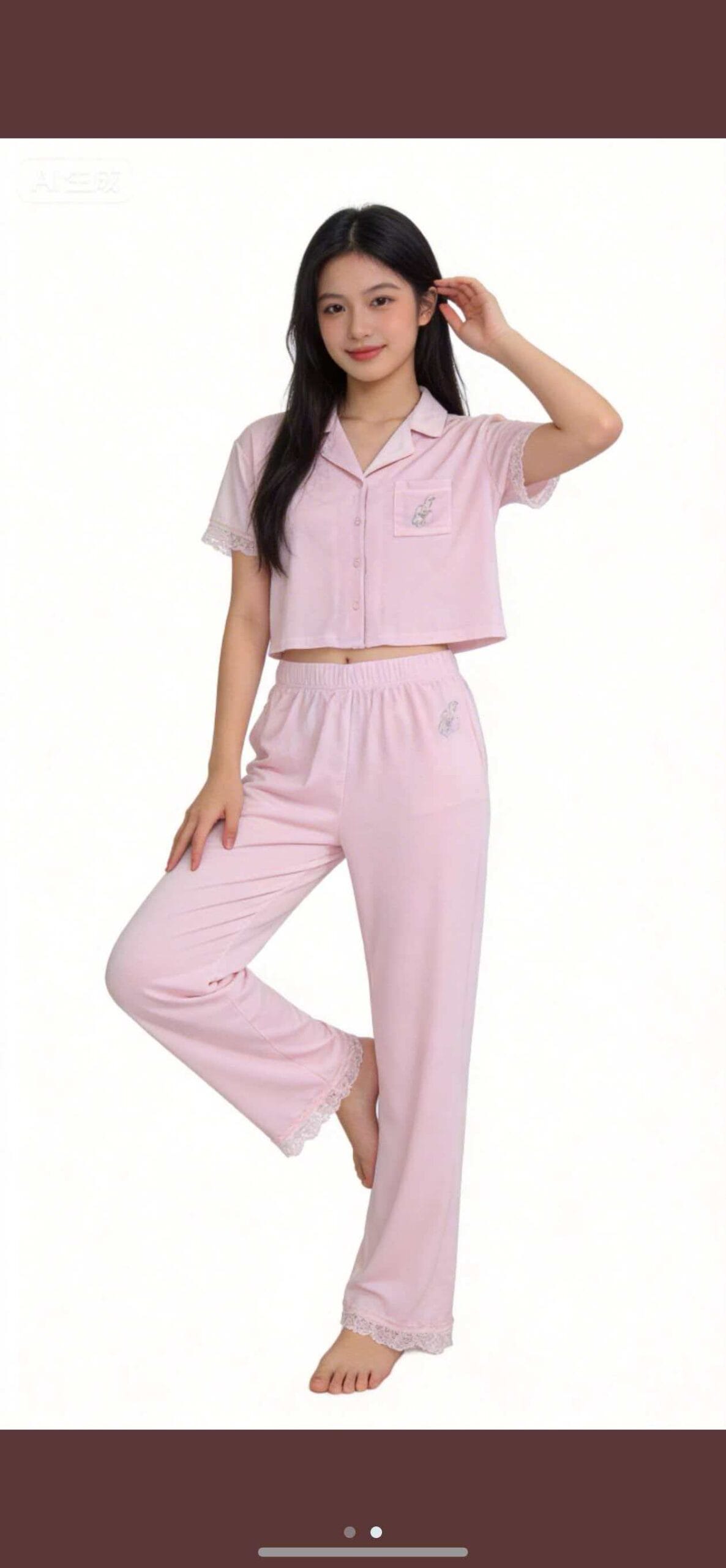
Casual Pajama Manufacturer: Relaxed Set Fit Approval
Table of Contents
A buyer searching for a casual pajama manufacturer is usually trying to avoid two extremes: a garment that feels too tight for sleepwear or one that looks like a shapeless oversized T-shirt.
This guide looks at the casual pajama manufacturer decision through the buyer’s product problem: relaxed fit, clean proportions, soft fabric, stable neckline, and comfortable labels.
The Relaxed Fit Problem Buyers Need to Solve
The practical buyer problem behind this topic is balancing relaxed fit with shape. That problem should guide the product brief, sample review, quality checks, packaging decisions, and final supplier communication.
Start With the Role of casual pajama sets
Before choosing a fabric, decide where this casual pajama manufacturer item sits in the collection. A lounge piece for ecommerce may need soft hand feel and strong product-page measurements. A hotel, spa, or wholesale program may need repeatable sizing, clean packing, and stable replenishment.
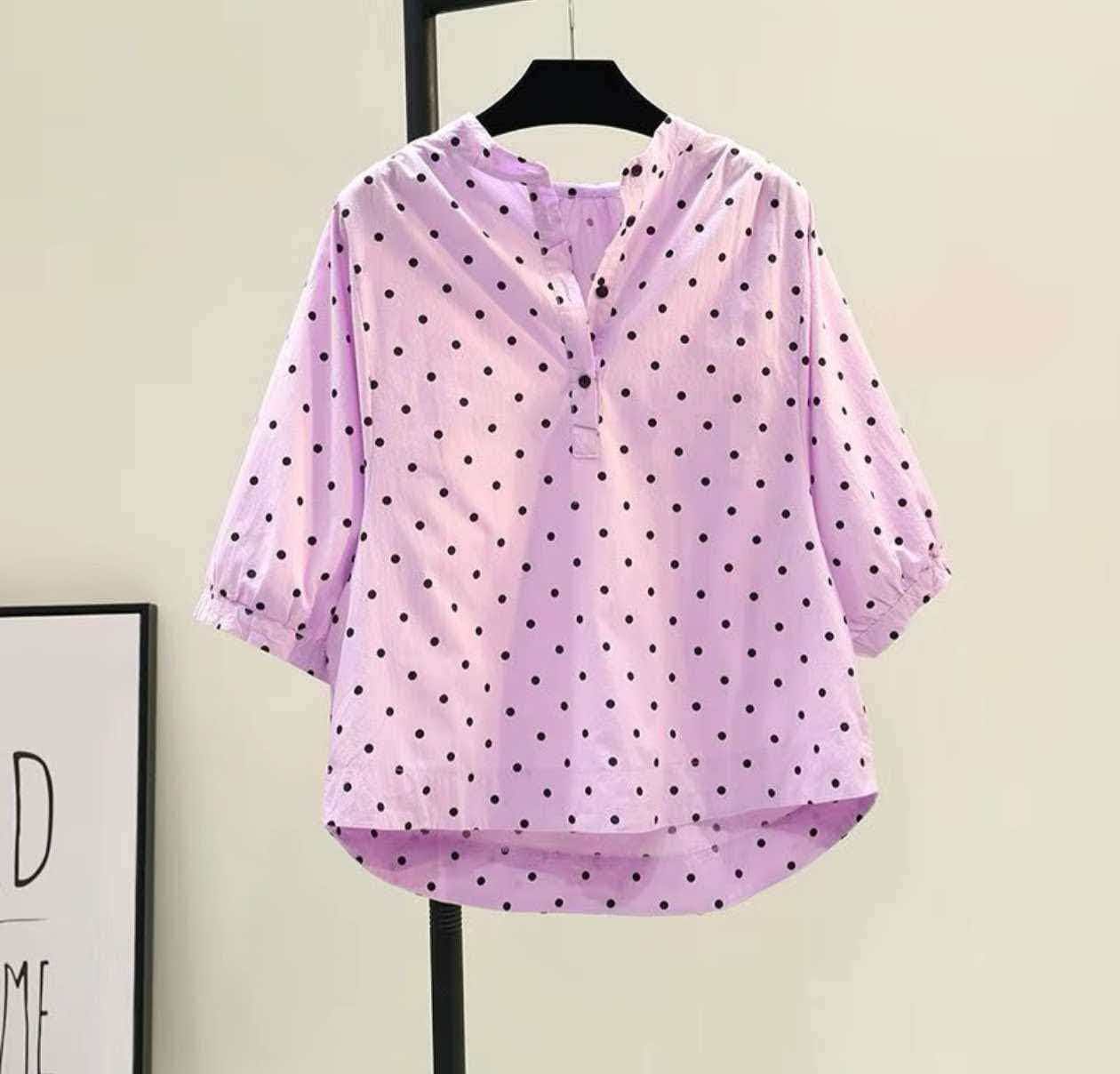
Fabric and Fit Choices for casual pajama sets
Fabric changes the way the garment hangs, stretches, washes, and photographs. Review GSM, stretch recovery, opacity, shrinkage, pilling risk, and touch before approving the first sample. For a casual pajama manufacturer order, fabric approval should happen before the size chart is treated as final.
Tech Pack Notes for casual pajama sets
A useful tech pack does not need to be complicated, but it needs to be specific. Include flat sketches, finished garment measurements, tolerance notes, stitch details, color standards, trims, label positions, packaging, and inspection rules. This makes factory communication much calmer.
Production Checks for casual pajama sets
| Question | Practical answer |
|---|---|
| Is the fabric ready for this product? | Confirm fiber blend, weight, stretch, shrinkage, and care requirements. |
| Is the fit ready for production? | Use garment measurements, tolerance notes, and a pre-production sample. |
| Is the order ready to ship? | Check labels, carton marks, barcodes, packing method, and final inspection. |
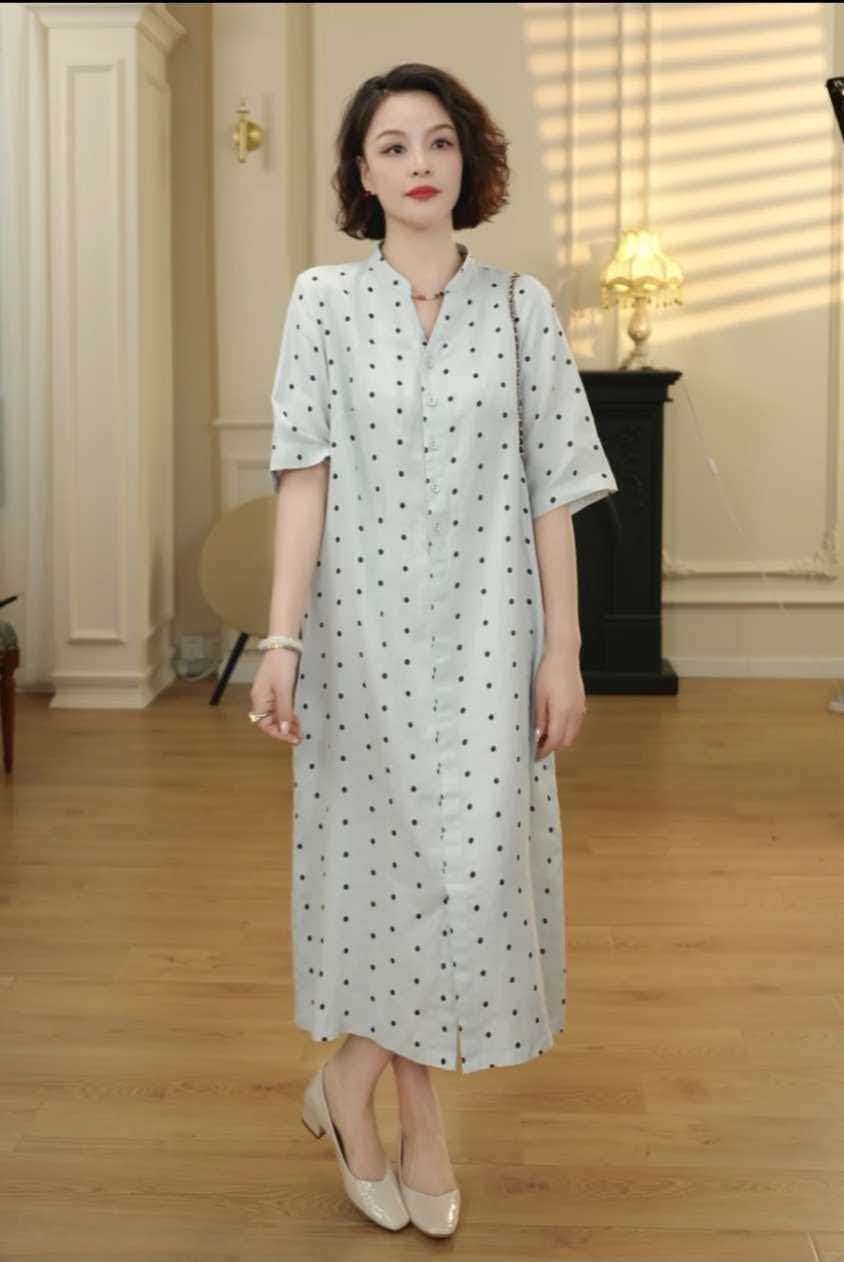
Sampling Plan for casual pajama sets
Sampling should move from first fit review to revised sample and then to pre-production approval. Each stage should answer a different question: does the idea work, does the fit work, and is the final standard ready for bulk production?
Final Quality Points for casual pajama sets
Before shipment, check measurements, seam strength, shade consistency, label accuracy, packing method, and carton marks. The goal is not perfection on paper; it is a shipment that matches the approved sample and can be sold with confidence.
Sample Review Points for casual pajama sets
Fit is important, but a useful sample review looks at the whole product. Check fabric recovery, seam comfort, neckline or waistband behavior, label placement, trim durability, and how the garment looks after folding. For a casual pajama manufacturer item, these small details shape the customer experience as much as the silhouette.
Keep sample comments specific. Instead of saying the garment feels loose, record the exact measurement change, location, and tolerance. Clear feedback helps the factory revise the pattern without guessing.
Future Order Consistency for casual pajama sets
For brands planning repeat production, consistency is a business asset. Keep records of approved fabric, color references, measurement specs, sample photos, label artwork, packaging instructions, and inspection reports. When the next casual pajama manufacturer order begins, these records reduce back-and-forth communication and protect the original fit standard.
This is especially useful when a product moves from a small test order into a larger seasonal buy. The more clearly the first order is documented, the easier it is to scale without losing the details customers liked.
When to Ask for casual pajama sets Manufacturing Advice
Buyers do not need to solve every technical question before contacting the factory. If you are unsure about fabric weight, shrinkage, construction, size grading, or packing method, ask the manufacturer to explain the trade-offs. A practical casual pajama manufacturer supplier should help compare options instead of simply taking instructions.
The best advice usually comes when the factory understands the selling goal. Share whether the item is for premium retail, wholesale volume, resort use, ecommerce, or a small capsule collection. That context changes the right recommendation.
Practical Notes for casual pajama sets Buying Teams
Before confirming a casual pajama manufacturer order, align design, purchasing, merchandising, and logistics around the same approval file. The file should show the final sample, size chart, fabric reference, label artwork, packaging method, carton details, and delivery plan. This keeps the order practical instead of only visually attractive.
When those records are clear, the factory can quote more accurately, the buyer can compare options more fairly, and the final shipment has a better chance of matching the approved standard.
Related Reading for casual pajama sets Buyers
For company capability and next steps, review our OEM/ODM apparel manufacturing services, browse related product categories, or request a private label quote.
For broader industry context, buyers can also review FTC textile labeling guidance, the OEKO-TEX STANDARD 100 overview, and GS1 barcode standards when preparing labels and retail packaging.
Questions Buyers Ask About casual pajama sets
What should I prepare before contacting a casual pajama manufacturer supplier?
Prepare reference styles, target quantity, size range, fabric direction, branding needs, packaging requirements, and expected launch date.
Can I start without a full tech pack?
Yes. A reference sample or sketch can start the discussion, but bulk production should use a clear tech pack and approved sample.
How do I choose the right fabric?
Choose fabric by comfort, weight, stretch, shrinkage, opacity, wash care, target price, and season.
What affects MOQ?
MOQ depends on fabric availability, dyeing, custom trims, print or embroidery, packaging, and production complexity.
How can I reduce production risk?
Approve samples carefully, confirm measurements, lock labels and packaging, and use inspection before shipment.
Start a casual pajama sets Private Label Project
If you are planning a casual pajama manufacturer collection, share your product idea, target quantity, fabric preference, and launch schedule with Xiuxinyang. Our team can review feasibility, suggest the next sampling step, and prepare a practical quote for your order.
casual pajama sets Win or Fail on Relaxed Fit
A casual pajama manufacturer should understand that a casual pajama set is not simply a long T-shirt. The product needs a relaxed shape, comfortable shoulder, stable neckline, soft label, and fabric that remains pleasant after washing.
Buyers should define garment length, sleeve length, chest width, shoulder slope, hem shape, and fabric weight before sampling. These measurements decide whether the shirt feels intentionally relaxed or just oversized.
A strong casual pajama supplier will connect fit with fabric behavior, because shrinkage or poor recovery can quickly change the intended silhouette.
| casual pajama set Area | Sample Check | Result |
|---|---|---|
| Length | Standing and sitting review | Better coverage |
| Neckline | Wash and stretch check | Avoids distortion |
| Label | Skin feel | Improves comfort |
This section is intentionally specific to casual pajama supplier, so the page no longer reads like a generic supplier article with the product name swapped in. The buying logic, risk points, and approval criteria are tied to the actual garment category.
casual pajama sets Need Intentional Relaxed Proportions
casual pajama supplier should be reviewed through the exact use case behind the product, not as a generic apparel item. The buyer should define the wearer, selling season, expected care routine, size range, and packaging format before asking the supplier for a final production recommendation.
For casual pajama supplier, the first approval point is material behavior. The brand should ask how the fabric reacts to washing, stretching, folding, steaming, and repeated wear. This matters because homewear customers judge the product after several uses, not only when the sample first arrives.
The second approval point for casual pajama supplier is fit evidence. A size chart alone is not enough; the sample should be checked on body or form, then reviewed while sitting, walking, bending, and raising the arms. If the item includes a waistband, strap, robe belt, cuff, or wide leg, that detail needs a separate comfort check.
The third approval point for casual pajama supplier is production repeatability. Buyers should keep records of fabric references, trim choices, approved measurements, label files, sample photos, packaging artwork, and inspection comments. A supplier that can reproduce these details is more valuable than one that only sends an attractive first sample.
A casual pajama supplier should not treat the product as a standard oversized T-shirt. Length, shoulder slope, sleeve opening, hem shape, and neckline stability all need separate approval.
The buyer should test whether the garment feels relaxed without looking shapeless. Fabric shrinkage can quickly change the intended length and fit.
A casual pajama supplier should also pay attention to label softness because the garment is worn directly against the skin.
A practical brief for casual pajama supplier should name the non-negotiable details and the flexible details. Non-negotiable items may include fabric composition, size tolerance, label content, color standard, or packaging dimensions. Flexible items may include minor trim choices, fold method, carton quantity, or secondary colorways.
When comparing suppliers for casual pajama supplier, buyers should ask each factory to respond to the same specification. That makes the comparison more useful and reduces the risk of choosing a supplier because one quote quietly excluded packaging, testing, size grading, or extra sample work.
The final approval for casual pajama supplier should happen only after the brand has confirmed the production sample, measurements, materials, trims, labels, packaging, and quality-control plan. This gives the supplier a clear target and gives the buyer a defensible record if there is a production issue later.
casual pajama set Merchandising and Size Communication
For e-commerce sourcing, casual pajama supplier should be reviewed with the sales channel in mind. A product sold through a brand site, marketplace listing, boutique retailer, hotel program, or seasonal campaign may need different packaging, size communication, photography samples, and reorder timing.
The product page also depends on decisions made during casual pajama supplier development. Fabric hand feel, garment measurements, care instructions, color names, fit notes, and packaging details become the information that customers or B2B buyers see later. If these details are vague during sourcing, the final sales page is usually vague too.
A supplier working on casual pajama supplier should help the buyer create a clean approval trail. That trail should include the approved sample, material record, color standard, trim list, size chart, label files, packaging artwork, and inspection notes. This is useful for production, but it is also useful for merchandising and customer service.
For marketplace or direct-to-consumer selling, casual pajama supplier needs stronger consistency because customers compare product photos, size charts, reviews, and delivery experience. A small measurement change or fabric substitution can create returns, even if the garment still looks similar in the factory.
The buyer should ask how the supplier protects casual pajama supplier during reorders. If fabric lots change, if a trim becomes unavailable, or if packaging needs a new supplier, the factory should flag that change before production. Silent substitutions are one of the easiest ways to damage product consistency.
Quality control for casual pajama supplier should include product-specific checkpoints instead of only a generic final inspection. The inspector should know which measurements matter most, which trims are sensitive, which packaging details must match, and which visible defects would affect the brand’s sales channel.
When the sourcing team documents these points, casual pajama supplier becomes easier to improve over time. The brand can compare customer feedback against the approved sample, update the next brief, and keep the supplier focused on the details that actually influenced returns, reviews, or reorder demand.
This channel-focused view makes casual pajama supplier different from a generic garment sourcing article. It connects production decisions with how the product will be sold, described, photographed, packed, and repeated.
Inquiry Details That Make casual pajama supplier Projects Easier to Quote
A useful inquiry for casual pajama supplier should give the supplier enough context to recommend a practical route. The buyer does not need to finalize every detail before the first conversation, but the brief should explain the product purpose, expected order channel, target wearer, fabric preference, size range, color direction, label needs, and packaging expectations.
For casual pajama supplier, unclear information usually creates slow sampling. If the supplier does not know whether the garment is for a premium capsule, hotel program, gift set, marketplace listing, or seasonal promotion, the proposed fabric, trim, finishing, and packing method may miss the real commercial goal.
The buying team should also tell the casual pajama supplier partner which decisions are already fixed and which decisions need advice. This helps the supplier focus on useful recommendations instead of guessing. It also makes early communication more efficient for fabric sourcing, sample timing, measurement review, artwork placement, and inspection planning.
A stronger brief for casual pajama supplier can include reference measurements, preferred hand feel, care expectations, carton or polybag limits, label files, embroidery or print files, and photos of similar fits. These details do not replace supplier expertise; they give the supplier a clearer starting point.
When the inquiry is specific, casual pajama supplier sourcing becomes easier to compare across sample rounds. The buyer can see whether the supplier understood the garment, protected the intended comfort, and documented the points that matter for repeat production.
Connect the Buying Guide to the Actual Product
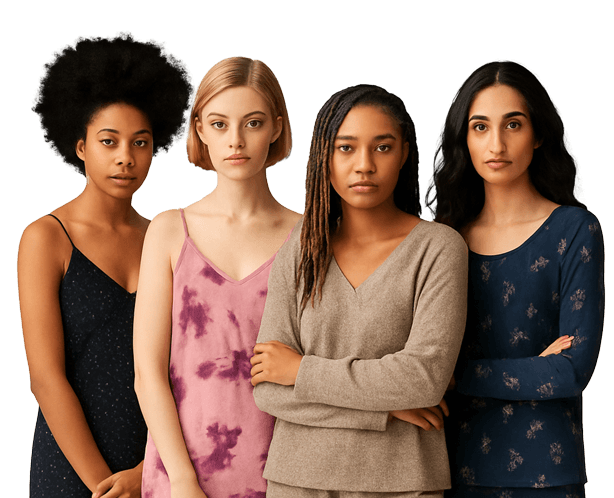
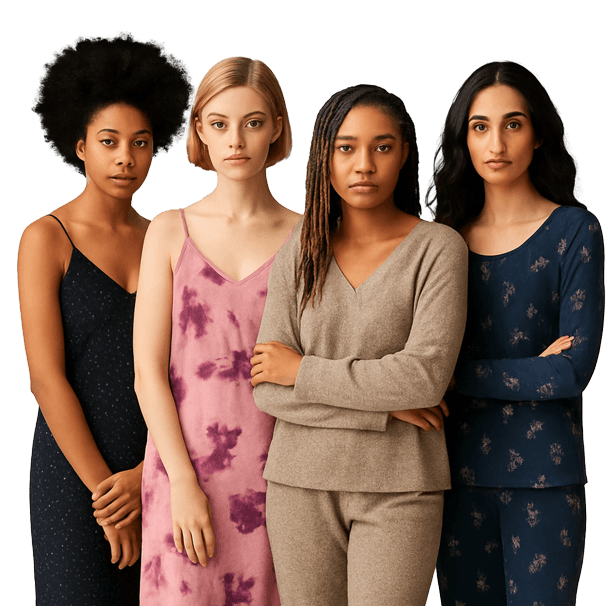
This article is now tied directly to the Women’s Comfortable Casual Pajamas displayed in the XXY Apparel catalog. Buyers should use that product page as the silhouette reference while confirming fabric, fit, construction, color, labels, and packaging for their own private-label specification.
Keep the product brief connected to the full product catalog, the OEM/ODM development process, documented size-chart planning, and the inquiry page. For consistent measurement terminology, teams can also reference ISO 8559-1.