Black Loungewear: Separate Lint, Surface Marks and Sewing Defects
Table of Contents
Black loungewear can make pale lint, stray thread and surface marks unusually visible. A buyer who groups every visible speck under poor fabric quality may request the wrong correction, while a supplier who removes everything for a photograph may hide a recurring handling problem. A useful inspection distinguishes removable contamination, changes in the fabric surface and actual construction defects. This guide provides a practical review sequence for dark garments, with a consistent viewing method and clear records for the sample and production teams.
Start with the relevant Xiuxinyang product or service reference, then confirm the proposed materials and construction for your order.
Approve the black appearance under consistent light
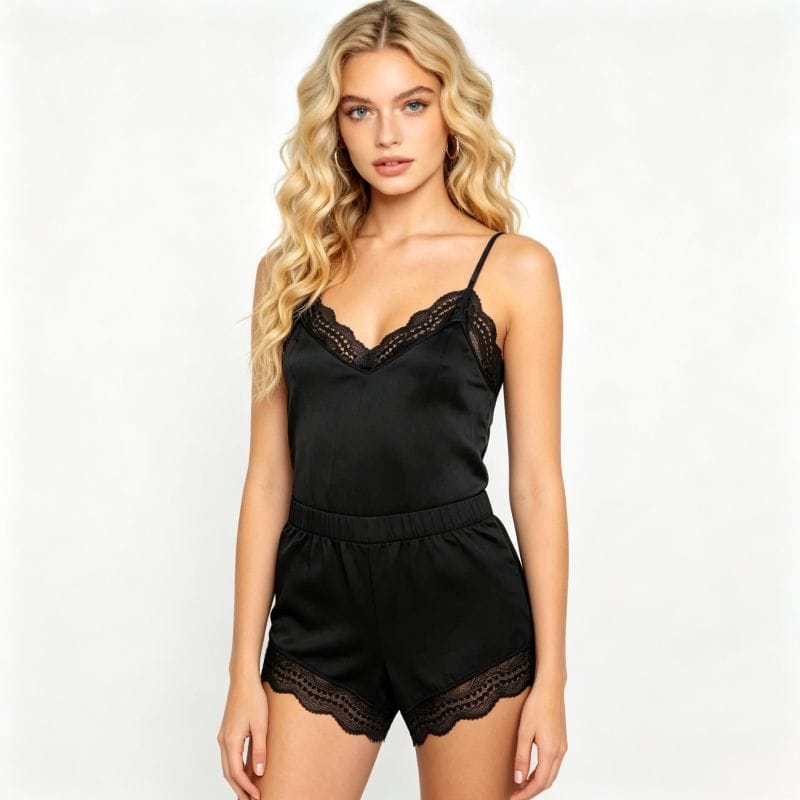
Compare the selected material and garment under agreed viewing conditions. Record the light arrangement, garment orientation and reference sample, especially where the surface has a directional sheen. A dark garment can look different between a phone image and an in-person review without a true shade change. Keep the color approval separate from cleanliness and workmanship observations. Black loungewear needs a defined appearance reference so the inspector does not confuse lighting variation with a defect or reject an intentional surface characteristic.
Classify what is visible before choosing a correction
Look closely at pale specks, lines and patches without immediately brushing the black loungewear sample. Identify whether the issue appears to be loose lint, exposed thread, residue, a pressure mark or a change in the material itself. Photograph its position and scale. Ask the supplier to explain the likely process source. Different causes require different actions. A material substitution is an expensive and potentially ineffective response to contamination introduced during handling, while a cleaning step cannot repair a damaged surface or an incorrect seam.
Use a controlled cleaning comparison
Where appropriate for the material, compare a small area before and after the proposed surface-cleaning method. Record the tool or treatment and inspect whether it changes the face, raises fibers or leaves residue. Do not apply an aggressive method merely to make the photograph look clean. For black loungewear, the buyer should approve a finishing process that is suitable for the actual material and repeatable in production. Keep the initial observation visible so the team can address the source as well as the symptom.

Inspect contrasting thread and hidden seam areas
Turn the black loungewear garment inside out and look at seam ends, labels, elastic joins and decorative attachments. Check whether pale thread or backing becomes visible through the body fabric or at openings. Identify whether the contrast is intentional and approved. A stray thread can be removed, while an unsuitable thread color or exposed backing requires a construction decision. Review the garment on the intended participant where stretching changes visibility, and keep a close detail with the relevant seam reference.
Review surface contact during production and packing
Ask how cut pieces and finished garments are handled before packing. Identify contact with contrasting fabrics, work surfaces, packing materials and loose fibers. Review the actual proposed tissue, bag and complete-set fold. Black loungewear can collect visible contamination from an otherwise tidy process if the contact material sheds. Keep the inquiry specific to observed evidence rather than assuming every dark fabric is inherently unsuitable. If a packing material is changed, compare the result before approving the substitution.
Separate pressure marks from color differences
Inspect a pale or shiny patch from more than one viewing angle and compare it with the untouched black loungewear reference. Note whether it aligns with a seam, label, fastener or fold. Review the sample after an agreed resting period where relevant, without assuming that every mark will disappear. A surface compressed by packing can reflect light differently from the surrounding area. Record the observation and discuss the actual material response before requesting a dye correction that may not address the cause.
Check the complete outfit after the intended care routine
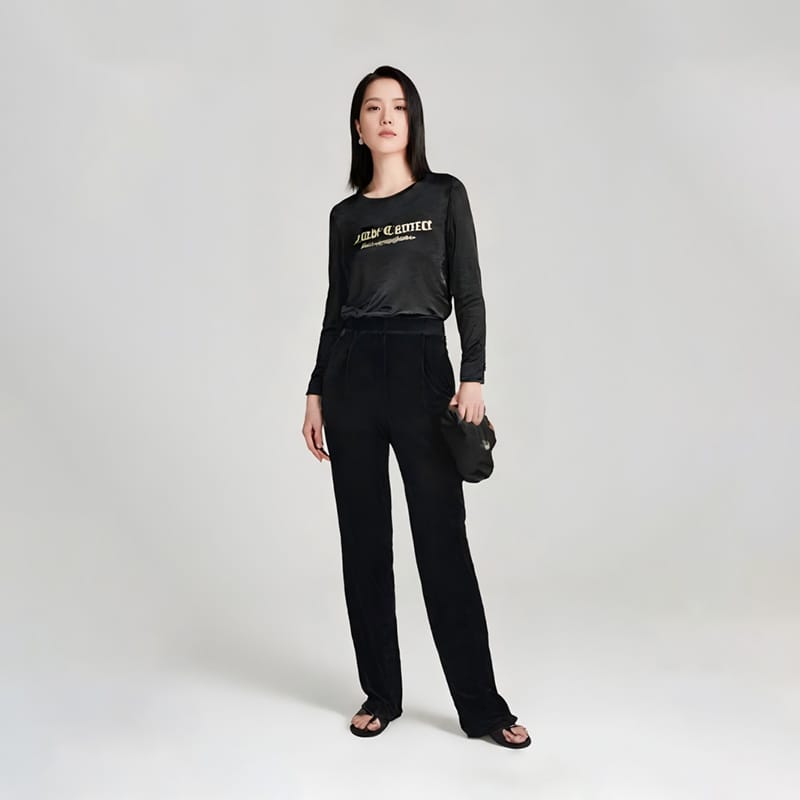
Compare surface appearance, visible lint and inner finishes before and after the proposed care procedure. Keep the procedure and sample identifier clear. Inspect the black loungewear top and bottom together, particularly where one material or trim could transfer loose fibers to another. If the buyer needs a quantified lint or appearance requirement, agree an appropriate method with the supplier and laboratory. Do not turn a single visual check into a promise that the garment will never attract lint in any environment.
Give inspectors specific examples and decisions
Build a concise appearance reference showing the observed issues and their agreed treatment. State which observations require cleaning, which require rework and which need buyer review. Include the viewing conditions and approved material reference. For black loungewear, a vague instruction to make it perfect invites inconsistent judgments. Keep unresolved recurring contamination visible in the process review, even if individual samples can be cleaned. Confirm the final packing and surface presentation before the buyer releases the order.
A practical decision example
Compare one change at a time
Imagine pale marks appearing where a dark top was folded against its waistband label. Photograph the untouched garment, compare the mark from different angles and inspect the contact point. Review a controlled cleaning or resting comparison only if suitable for the material. If the mark is loose contamination, examine the label and packing process. If the surface is compressed or altered, trial a different fold or contact arrangement and compare the actual result. Do not automatically replace the black fabric or change its shade. This hypothetical case illustrates diagnosis by location and process evidence, without establishing a universal acceptance limit or promising that all surface marks can be removed.
Decision table
| Observation | First check | Likely decision area |
|---|---|---|
| Loose pale speck | Controlled removal comparison | Handling and cleaning |
| Exposed thread | Inside seam and thread reference | Construction or trimming |
| Patch at fold | Contact point and viewing angle | Packing or surface handling |
| Persistent face change | Reference and care comparison | Material and process review |
Make the approval reference usable on the production floor
Prepare an approval reference that a cutter, sewing supervisor and inspector can all interpret. Include the style code, revision date, front and back technical drawings, the fabric reference and the component list. Give each measurement a clear start and end point. State whether the garment is relaxed, gently extended or measured after a defined care procedure. Keep aesthetic approval separate from dimensional and workmanship approval so a good color match cannot conceal an unresolved construction issue. File a photograph of the approved reference with the written comments.
When several garments form one retail unit, review the unit as well as each component. Check that the agreed sizes are paired, the colors coordinate and the customer receives the intended number of pieces. Ask the packing team to use the same style and revision identifiers as the purchase order. Keep one retained complete set for later comparison. If production proposes a material or trim replacement, ask for a documented review of its effect on appearance, fit, care and cost before accepting the substitution.
Compare the relevant product range and development context with your intended customer and order. Confirm any requested material, size or construction option before treating it as available.
References for the review
Use the relevant primary resources when framing market and test questions: FTC textile guidance, FTC care guidance, AATCC methods, ISO care symbols. Confirm the applicable scope and methods with the responsible specialist for the actual product and destination.
Discuss the proposed order
For your black loungewear project, send the design reference, intended customer, destination market, complete-unit quantity and size breakdown. Include the specific decisions described above and identify any material or construction that still needs confirmation. Review Xiuxinyang OEM/ODM services and contact the team with your black loungewear brief to discuss the appropriate sampling and order requirements.
Frequently asked questions
Why does black loungewear show pale lint so clearly?
Contrast makes small light-colored contamination easier to see. Inspect the actual material and handling process before deciding whether the issue comes from the fabric, another component or the packing environment. Avoid assigning a cause from color alone.
Should every visible mark be brushed away first?
Record the initial condition before applying a suitable controlled cleaning method. That preserves evidence of recurring contamination or pressure. Check that the method does not alter the material surface or leave residue.
Can packing materials cause visible problems?
They can create contact, pressure or loose-fiber transfer that deserves review. Trial the actual proposed fold and materials with a complete outfit. Keep the observations connected to the approved packing instruction.
How can pressure marks be distinguished from shade differences?
Compare location, viewing angle and the approved reference under consistent light. Review contact points and any appropriate resting comparison. The observations help the supplier investigate the cause, but do not replace material-specific evaluation.
What should the inspection brief contain?
Include the material reference, viewing conditions, photographed examples and agreed actions for cleaning, rework or buyer review. Add complete-set packing and care observations so the inspector can apply consistent judgments to the actual product.