Coral Fleece Robe: Diagnose Front Overlap While Seated
Table of Contents
A coral fleece robe can appear to provide generous front coverage while standing, yet open differently when the wearer sits. The cause may involve front shape, belt position, garment balance or the relationship between the robe and the intended body range. Buyers should record those observations before adding width indiscriminately. This guide concentrates on a repeatable seated-overlap review, helping the sample room understand which area needs correction and preserving the buyer's intended silhouette and complete-garment reference.

Start with the relevant Xiuxinyang product or service reference, then confirm the proposed materials and construction for your order.
Describe the intended coverage and wearing position
Show the buyer's intended front overlap in a drawing and explain the expected seated use. Identify the robe length, belt level and any intended underlayers. Avoid a universal instruction to provide enough coverage without defining the customer context. Keep body references separate from garment dimensions. The sample review should answer whether the proposed design meets the agreed intention, rather than assume that one overlap dimension guarantees the same experience for every wearer or posture.
Use clear landmarks for the front measurements
Define where front width and overlap are measured and whether the garment is laid flat or worn. Identify the chest, waist and lower-front locations relevant to the design. Do not stretch the material to make the edges align. For the coral fleece robe, keep the measurement method with the sample so the supplier can reproduce it after correction. A single overall circumference can conceal how the width is distributed between the back, sides and overlapping fronts.
Record the baseline with the belt tied normally
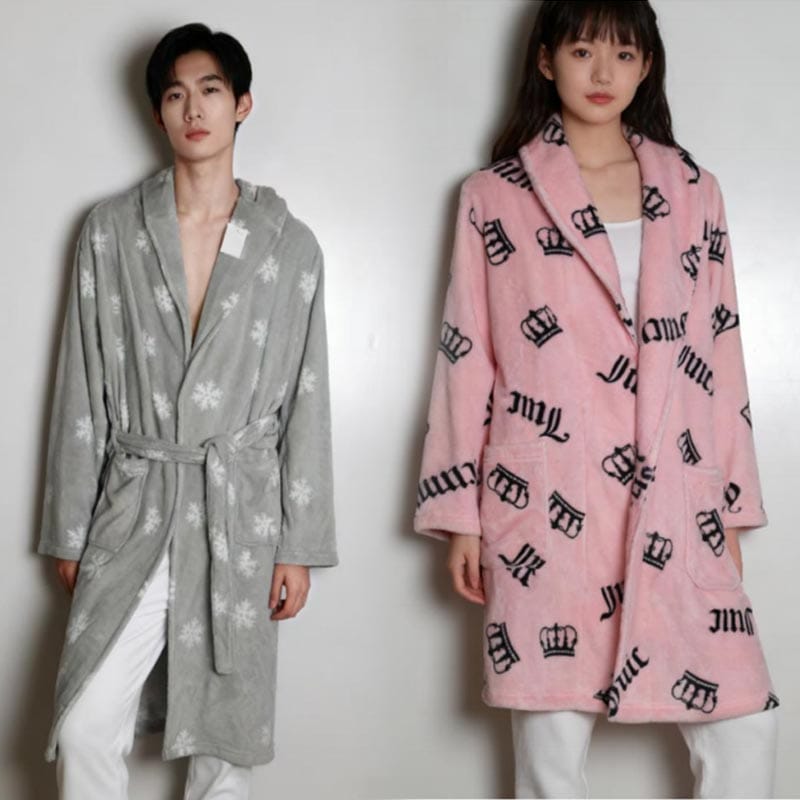
Ask the intended participant to wear the robe in its approved position and tie the belt in an ordinary manner. Record the belt-loop location and avoid pulling the garment into an artificial pose for the photograph. Show the standing front, side and back before the seated review. These baseline observations help identify whether the robe already shifts or hangs unevenly. Keep the same belt and material during comparison so the review does not introduce unexplained changes.

Observe how the lower front moves during sitting
Have the participant sit naturally on a suitable seat and record where the front opening spreads. Observe the lap and lower edge without forcing the robe closed. Note whether the garment rises, the belt pulls upwards or one front slides more than the other. A coral fleece robe overlap concern should be described by location and activity. This gives the pattern maker evidence to distinguish front coverage from garment balance, instead of receiving only a general comment that the robe is too small.
Check whether belt level contributes to the opening
Compare the observed belt position with the intended waist and pattern reference. Ask whether the tied belt is gathering the robe in a way that changes the lower-front behavior. If another loop level or construction is proposed, confirm feasibility and review a complete revised sample. Do not move the belt merely to create a favorable photograph. The buyer should approve a normal usable wearing position and record any accepted pattern or construction change.
Ask for a targeted pattern proposal
Have the pattern team explain which area it proposes to change and why. Review the effect on silhouette, material requirement, pocket position and garment balance. Increasing every panel may add unwanted bulk without resolving the front shape. For the coral fleece robe, retain the original measurements and sample while comparing the revision. Change one relevant variable at a time where practical so the buyer can understand the result and avoid contradictory comments across several sample rounds.
Repeat the same seated sequence after correction and care
Review the revised garment on the same participant and seat with comparable underlayers and belt use. Record the standing and seated observations again. Then compare the relevant fit and dimensions after the proposed care procedure and consistent resting. Keep the specimen and procedure identifiable. This sequence supports a documented development decision, but it does not establish a universal coverage guarantee or substitute for any separate market assessment needed for the intended product.
Release an overlap reference the factory can check
Combine the approved front drawing, landmarks, belt level and fit observations in one revision. Include photographs that show the intended normal wearing position. Confirm any changes in material or construction before production, and retain the complete sample for repeats. A coral fleece robe approval should communicate how the buyer reached the coverage decision. An isolated photograph with the fronts pulled together is an unreliable reference for the pattern maker, inspector or receiving team trying to reproduce the actual result.
A practical decision example
Compare one change at a time
Imagine a robe that opens at the lap when the participant sits, while the chest overlap remains suitable. Record the belt level, lower-front movement and garment rise before requesting extra width. Ask the pattern team whether a front-shape or balance correction better addresses the observation. Compare one confirmed revision in the same material and normal belt position, then repeat the relevant care check. Keep pocket and silhouette consequences visible in the decision. This hypothetical case does not prescribe a minimum overlap or imply a defect in a listed product. It demonstrates how a localized coverage issue can be evaluated without changing the entire robe on the basis of one photograph.
Decision table
| Review position | Observe | Record |
|---|---|---|
| Standing baseline | Front balance and normal belt use | Participant and garment landmarks |
| Seated lap | Lower-front opening and garment rise | Location of coverage concern |
| Belt comparison | Approved level and normal tie | Targeted construction proposal |
| Corrected sample | Same movement and care comparison | Final overlap reference |
Make the approval reference usable on the production floor
Prepare an approval reference that a cutter, sewing supervisor and inspector can all interpret. Include the style code, revision date, front and back technical drawings, the fabric reference and the component list. Give each measurement a clear start and end point. State whether the garment is relaxed, gently extended or measured after a defined care procedure. Keep aesthetic approval separate from dimensional and workmanship approval so a good color match cannot conceal an unresolved construction issue. File a photograph of the approved reference with the written comments.
When several garments form one retail unit, review the unit as well as each component. Check that the agreed sizes are paired, the colors coordinate and the customer receives the intended number of pieces. Ask the packing team to use the same style and revision identifiers as the purchase order. Keep one retained complete set for later comparison. If production proposes a material or trim replacement, ask for a documented review of its effect on appearance, fit, care and cost before accepting the substitution.
Compare the relevant product range and development context with your intended customer and order. Confirm any requested material, size or construction option before treating it as available.
References for the review
Use the relevant primary resources when framing market and test questions: FTC textile guidance, FTC care guidance, AATCC methods, ISO care symbols. Confirm the applicable scope and methods with the responsible specialist for the actual product and destination.
Discuss the proposed order
For your coral fleece robe project, send the design reference, intended customer, destination market, complete-unit quantity and size breakdown. Include the specific decisions described above and identify any material or construction that still needs confirmation. Review Xiuxinyang OEM/ODM services and contact the team with your coral fleece robe brief to discuss the appropriate sampling and order requirements.
Frequently asked questions
Why can a coral fleece robe open differently while seated?
Front shape, belt position, balance and body context can change how the lower garment moves. Record the actual observation and ask the pattern team to identify the cause before adding width everywhere.
Which overlap measurement should buyers use?
Define relevant landmarks and whether the measurement is flat or worn. Review chest, waist and lower-front relationships as needed. Keep the method consistent with the sample and intended customer context.
Should the belt be pulled tighter for approval photos?
Use an ordinary intended wearing position. An artificial tie or posed front can conceal the problem. Record belt-loop level and repeat the same normal use when comparing the corrected sample.
Can a pattern change affect other features?
Yes. Review silhouette, pocket position, balance and material implications with the proposed correction. Keep the original reference and ask the supplier to explain the targeted change before approving a complete revision.
What should be retained after approval?
Retain the front drawing, measurement landmarks, belt reference, standing and seated observations and relevant care comparison. Connect them to the final complete sample and specification revision for production and repeats.