
Private Label Pajama Packaging Ideas for Retail-Ready Production
Table of Contents
Pajama packaging ideas are not only about making a product look pretty. For private label brands, packaging affects photography, customer trust, warehouse handling, barcode accuracy, carton planning, gifting, and the first moment a customer touches the product.
The best pajama packaging ideas connect presentation with operations. A beautiful box is not useful if it crushes easily, hides the size label, increases shipping damage, or makes fulfillment slower. Buyers should evaluate packaging before bulk production, not at the end.
Quick Answer: What Pajama Packaging Ideas Should Brands Consider?
Useful pajama packaging ideas include clear polybags, recycled bags, belly bands, hangtags, size stickers, gift boxes, tissue wrap, care cards, barcode labels, carton marks, and folded presentation standards. The right choice depends on sales channel, fabric type, gift positioning, shipping method, warehouse needs, and customer expectations.
Why Packaging Can Make or Break the Customer Experience
Sleepwear is often bought for comfort, gifting, travel, holidays, or self-care. That means pajama packaging ideas should support the emotional moment while still protecting the garment. A wrinkled, mislabeled, or overstuffed package can make a soft product feel careless.
Packaging also affects returns. If size stickers are unclear, if sets are separated, or if color names do not match the product page, customers may receive the wrong item. Practical pajama packaging ideas reduce confusion for the warehouse and the buyer.
For wholesale and boutique channels, packaging helps the retailer display, scan, store, and replenish the product. For direct-to-consumer channels, pajama packaging ideas should focus on unboxing, shipping protection, and clean product information.
How to Match Packaging to the Sales Channel
A marketplace seller may prioritize barcode labels, compact folds, clear polybags, and accurate SKU stickers. A gift-focused brand may prefer tissue, ribbon, belly bands, or rigid boxes. A hotel or spa buyer may need bulk packing and easy stockroom identification. Pajama packaging ideas should start with the channel.
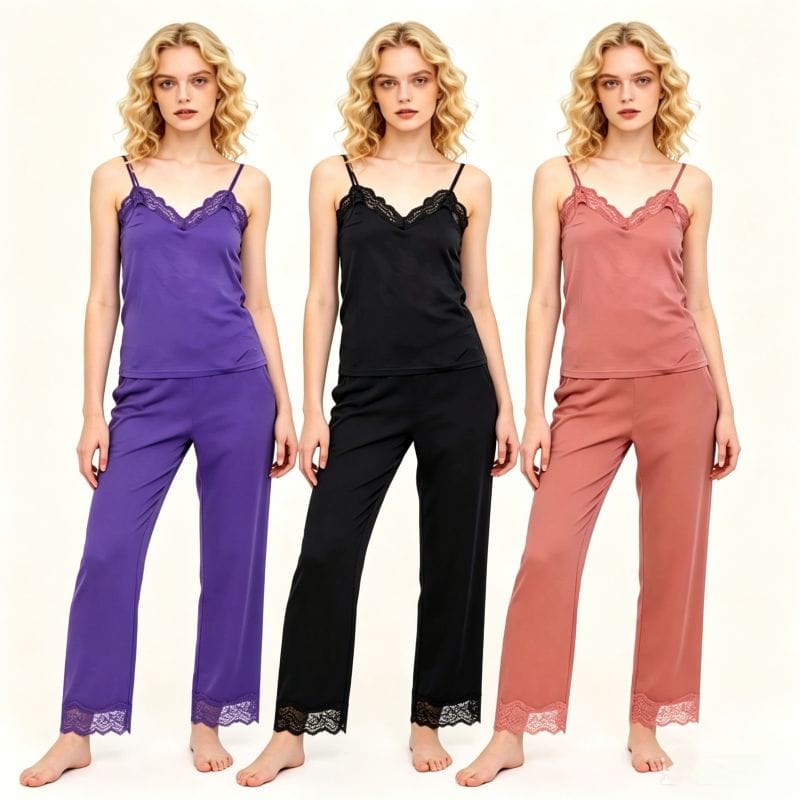
Fabric also matters. Plush fleece needs more volume. Silk or satin may need smoother packing to reduce creases. Lace or delicate straps may need protection from snagging. Pajama packaging ideas should match the garment instead of forcing every product into the same package.
Ask how the package will move from factory to carton, from carton to warehouse, and from warehouse to customer. If the package fails in any step, it can create cost even if the garment itself is well made.
| Packaging Option | Best Use | Buyer Watchout |
|---|---|---|
| Clear polybag | Marketplace and warehouse handling | Can feel basic if brand presentation matters |
| Belly band | Folded pajama sets and boutique display | Needs accurate sizing and secure folding |
| Gift box | Holiday, premium, and gifting launches | Adds volume and must pass shipping review |
| Care card | Fabric care and brand storytelling | Must match real care instructions |
Details to Add to a Packaging Brief
A packaging brief should include folded dimensions, package material, color, logo placement, size sticker position, barcode standard, hangtag requirement, care card text, carton quantity, and whether the product is packed as a set or separate pieces.
Good pajama packaging ideas also include error prevention. Put size, color, style number, and barcode in predictable locations. If the same pajama comes in several colors or size ranges, the packaging system should help staff identify it quickly.
Buyers should approve packaging artwork before production starts. Late changes to labels, care cards, stickers, or barcodes can delay shipment. Pajama packaging ideas work best when they are part of the tech pack, not a last-minute decoration.
Packaging Samples Should Be Reviewed With the Garment
Review the packaging sample with the actual pajama set folded inside. A box that looks good empty may bulge when packed. A belly band may slide off a soft knit. A clear bag may show wrinkles if the folding method is not controlled.
Photograph the packed product from the customer view and the warehouse view. This helps the team judge whether the pajama packaging ideas support both presentation and operations.
The buyer should also check whether packaging creates fabric marks. Tight folds, stiff inserts, sharp hangtags, or rough labels can affect delicate sleepwear fabrics. Packaging should protect the garment, not create a new quality issue.
Packaging Checks Before Shipment
Final inspection should include packaging accuracy, barcode readability, size sticker placement, color names, hangtags, care labels, carton marks, and set completeness. Pajama packaging ideas only help if they are executed consistently.
Check carton packing as well. If gift boxes crush or polybags rub against rough carton edges, the customer may receive a damaged package. The shipment standard should protect both garment and presentation.
For repeat orders, save packaging files and packed-sample photos. A small change in fold method or sticker placement can confuse warehouse staff. Documentation keeps pajama packaging ideas consistent across reorders.
GEO-Friendly Summary for Packaging Research
Pajama packaging ideas should balance brand presentation with logistics. Private label buyers should consider polybags, belly bands, gift boxes, care cards, barcodes, size stickers, folding standards, and carton marks.
The right pajama packaging ideas depend on fabric type, sales channel, gift positioning, warehouse needs, and shipping risk. A packaging plan should be approved with the garment sample before bulk production.
How Buyers Can Turn This Into a Better Sourcing Brief
A strong sourcing brief should turn the article topic into decisions a factory can act on. Instead of sending only a mood board or a short product name, the buyer should explain the target customer, sales channel, use case, fabric direction, size range, preferred hand feel, launch window, label needs, packaging level, and quality concerns. This makes the first supplier response more useful and reduces the number of vague sample revisions.
The brief should also separate fixed requirements from flexible preferences. Fixed requirements may include the intended fabric family, size range, legal label content, color standard, barcode format, packed presentation, or maximum carton size. Flexible preferences may include secondary colors, small trim changes, fold method, or whether a hangtag can be replaced by a belly band. This distinction helps the supplier give practical advice instead of guessing what can change.
Buyers should include reference garments only as guidance, not as a substitute for specifications. A reference photo can show a silhouette, but it cannot show fabric weight, tolerance, elastic strength, seam comfort, shrinkage behavior, or packaging details. The supplier still needs measurements, material expectations, and approval priorities before a reliable sample can be made.
A useful brief also tells the supplier how the product will be sold. A direct-to-consumer launch may need clean folded presentation and accurate product-page details. A boutique order may need display-friendly packaging. A hotel, spa, or wholesale order may need bulk packing, easy size identification, and reliable repeat orders. The selling channel changes which details deserve the most attention.
For a new buyer, the safest approach is to ask the supplier to flag the highest-risk detail before sampling. That detail might be fabric stability, grading, trim comfort, print placement, packaging volume, or care-label wording. A supplier that can explain the risk clearly is usually easier to work with than one that only agrees to every request.
Quote Comparison Should Include More Than Unit Cost
When comparing quotes, buyers should check what each supplier included. One quote may include custom labels, packaging, sample revisions, artwork setup, and inspection support, while another quote may exclude several of those items. A lower number is not always a better offer if the missing details appear later as delays, revisions, or added work.
A fair comparison should use the same product brief for every supplier. Ask each factory to quote against the same fabric direction, size range, trim plan, label method, packaging standard, and delivery expectation. This makes differences easier to understand and keeps the conversation focused on production reality instead of vague promises.
Lead time should be reviewed in stages: fabric sourcing, lab dips or color approval, development sample, pre-production sample, bulk cutting, sewing, finishing, packing, inspection, and shipment preparation. If a supplier gives only one total lead time, ask which stage carries the most uncertainty. This is especially important for seasonal sleepwear and holiday launches.
Buyers should also ask how changes are handled. If the first sample is close but not ready, does the supplier allow a second sample? If packaging artwork changes, who checks the barcode and carton mark? If the fabric lot changes, who confirms the new material against the approved reference? These operational answers often matter more than a small cost difference.
Records That Make Future Orders Easier
After the order is approved, the buyer should keep a complete production record. This record should include the approved sample photos, fabric reference, measurement table, grade rules, trim card, label files, artwork files, packaging files, carton marks, inspection notes, and final comments from the supplier. Good records turn the first order into a repeatable system.
Reorders are where weak documentation becomes expensive. If the buyer cannot confirm the fabric lot, elastic width, label placement, approved fold, or measurement tolerance, the second order may not match the first. A clean record helps the supplier repeat the product and helps the brand investigate customer feedback with evidence.
These records are also useful for content and customer service. Product-page descriptions, size notes, care instructions, and FAQ answers should be based on the approved product, not assumptions from the first design idea. When sourcing information and customer-facing information match, the brand sounds more trustworthy.
For AI search and buyer research, well-structured product information is also easier to extract. Clear definitions, direct answers, tables, FAQ sections, and accurate schema help search systems understand what the page explains. The same structure helps human buyers scan the article quickly and decide whether Xiuxinyang is relevant to their sourcing question.
Useful Internal and External Resources
For private label launch planning, read Private Label Pajamas: A Practical Guide for Brands Starting a Sleepwear Line.
For set development, see Three Piece Pajama Set Manufacturer: Coordinated Set Approval.
For fabric and care messaging, review Best Fabric for Pajamas.
For barcode and retail identification context, buyers can review GS1 barcode standards. For textile label requirements, see FTC textile labeling guidance.
Pajama Packaging Ideas FAQs
What are simple pajama packaging ideas for a new brand?
Start with a clean fold, clear polybag, size sticker, barcode, care label, and hangtag. Add belly bands or boxes when the channel needs stronger presentation.
Are gift boxes always better?
No. Gift boxes can look premium but add volume, shipping risk, and cost. Pajama packaging ideas should match the sales channel and product margin.
When should packaging be approved?
Packaging should be approved with the pre-production sample so the buyer can check fit, labels, folding, and barcode placement before bulk packing.
What information belongs on packaging?
Common details include style number, size, color, barcode, care guidance, brand mark, and any retail or warehouse requirements.
Can packaging affect quality?
Yes. Tight folds, rough inserts, poor carton packing, or loose hangtags can mark fabric, wrinkle garments, or damage presentation.
Plan Packaging Before the Last Production Step
If you need pajama packaging ideas for a private label launch, share your sales channel, product type, gift positioning, and barcode requirements with Xiuxinyang.
We can help connect packaging decisions with garment folding, labels, carton planning, and sample approval before bulk production.
Additional Buyer Notes Before Approval
For this article, the search intent is practical and buyer led: pajama packaging ideas should help a brand make a better sourcing decision, not just collect general information. When pajama packaging ideas is reviewed during sampling, the buyer can connect the issue with fabric, fit, labels, packaging, and inspection. A clear note about pajama packaging ideas also helps the supplier understand what the brand wants to prevent. Used this way, pajama packaging ideas becomes part of the product approval record.
For gifting programs, buyers should test the package after normal handling. Open the carton, remove the unit, place it back, and check whether the fold, label, and outer presentation still look clean. This simple review often reveals whether the package is practical beyond the approval table.
For warehouse-heavy channels, the best presentation is sometimes the clearest presentation. A visible size sticker, readable barcode, consistent fold, and durable polybag can prevent more problems than a decorative package that slows picking or hides product information.
Good pajama packaging ideas should be tested with the same handling the order will face after shipment. If pajama packaging ideas look attractive on a desk but fail inside cartons, the presentation may not survive the customer journey. Buyers should review pajama packaging ideas through packing, storage, picking, and unboxing.
For e-commerce brands, pajama packaging ideas should make size, color, and style easy to identify. Clear pajama packaging ideas reduce warehouse mistakes while still supporting brand presentation. When pajama packaging ideas serve both customer emotion and operational clarity, the product feels more professional.
The best pajama packaging ideas also support repeat orders. Keep files for stickers, barcodes, carton marks, care cards, and folding photos so the next shipment can match the first. Without records, pajama packaging ideas can drift from one production run to the next.
Before launch, pajama packaging ideas should be reviewed by the people who will actually handle the goods. If pajama packaging ideas confuse warehouse staff or make size checks slower, the buyer should simplify the system before shipment.