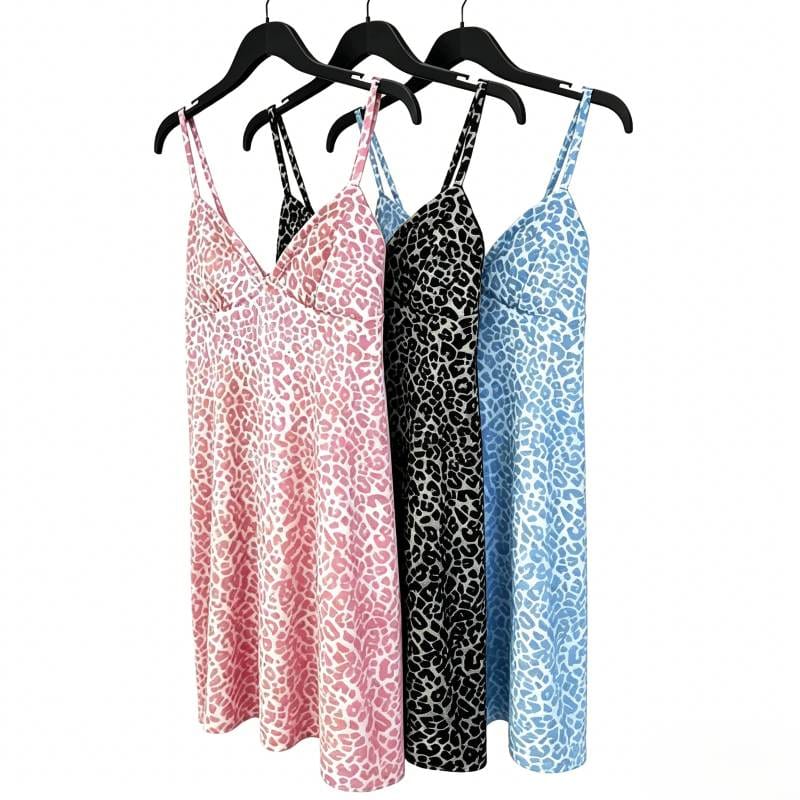
How to Choose a Maternity Loungewear Manufacturer for Stretch, Recovery, and Comfort
A buyer evaluating a maternity loungewear manufacturer is not only buying a garment. The customer expects comfort during body changes, soft skin contact, reliable stretch, and a fit that does not become restrictive after washing.
This article focuses on maternity loungewear manufacturer decisions from the buyer’s customer-experience perspective: where discomfort starts and how to prevent it before bulk production.
The Maternity Comfort Problem Buyers Need to Solve
The practical buyer problem behind this topic is protecting comfort through body changes. That problem should guide the product brief, sample review, quality checks, packaging decisions, and final supplier communication.
First Decisions for Maternity Loungewear Projects
A Maternity Loungewear Manufacturer project runs better when the buyer defines the target customer, sales channel, price level, size range, and launch window early. Those decisions guide the fabric, construction, branding, and packaging choices that follow.
Maternity Loungewear Development Flow
| Review point | What to check | Why it matters |
|---|---|---|
| Fabric | Hand feel, GSM, stretch, shrinkage, and opacity | These details shape comfort, price, and fit consistency. |
| Sample | Measurements, seam finish, label placement, and wash response | A good sample reduces surprises before bulk cutting. |
| Branding | Care label, woven label, hangtag, packaging, and barcode plan | Retail details need approval before packing starts. |
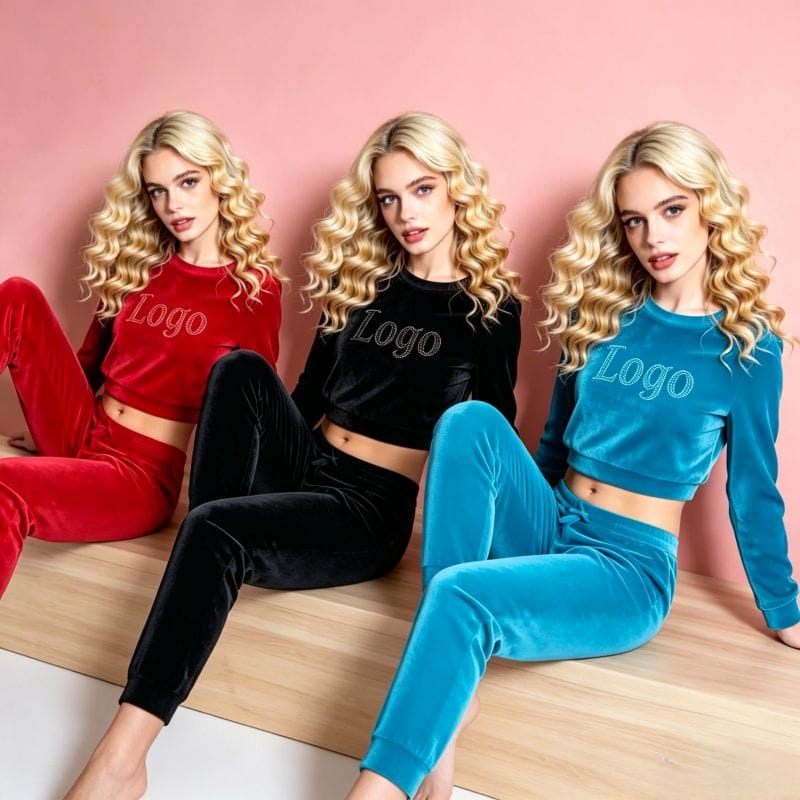
Fit and Measurement Notes for Maternity Loungewear
Do not rely only on body measurements. For comfort apparel, finished garment measurements often tell the factory more about the real wearing experience. Confirm length, width, rise, sleeve, cuff, waistband, and tolerance details before cutting bulk fabric.
Branding and Packaging for Maternity Loungewear
Private label details can include woven labels, printed neck labels, care labels, hangtags, belly bands, polybags, carton marks, and barcode stickers. These details are small, but they affect the customer experience and warehouse handling.
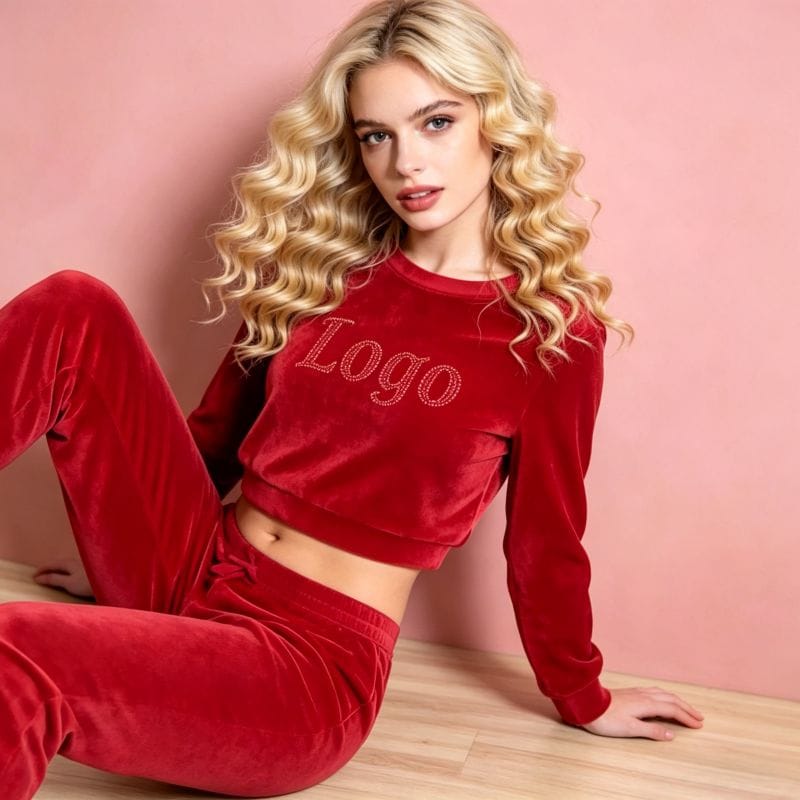
Factory Questions for Maternity Loungewear
Ask whether the fabric is in stock, whether custom dyeing is needed, how many sample rounds are expected, what affects MOQ, and where inspection happens. A reliable Maternity Loungewear Manufacturer supplier should answer these points clearly.
Bulk Approval for Maternity Loungewear
Approve the final sample, size chart, label artwork, packaging method, and inspection standard together. This keeps the design, buying, and production teams aligned before the order moves into bulk.
How to Brief a Maternity Loungewear Supplier
A stronger brief gives the factory enough context to make practical choices. For a Maternity Loungewear Manufacturer order, include the target customer, selling channel, retail price range, preferred hand feel, size range, quantity estimate, and launch window. These details help the manufacturer judge whether a fabric, trim, or construction method is realistic before a sample is made.
It also helps to separate fixed requirements from flexible preferences. Color, fabric weight, packaging, and label method may all affect cost and lead time. When the factory knows which points are non-negotiable, the Maternity Loungewear Manufacturer development process becomes faster and more accurate.
Commercial Planning for Maternity Loungewear
Many production delays begin with commercial details that were not confirmed early enough. MOQ, fabric availability, custom dyeing, artwork approval, packaging, carton marks, and barcode requirements should be discussed before bulk dates are promised. A Maternity Loungewear Manufacturer project can look simple, but small late decisions often create real pressure for the sample room and production line.
Buyers should also ask how repeat orders will be handled. If the product is expected to become a core style, fabric continuity, color records, label storage, and measurement history matter as much as the first shipment.
When to Ask for Maternity Loungewear Manufacturing Advice
Buyers do not need to solve every technical question before contacting the factory. If you are unsure about fabric weight, shrinkage, construction, size grading, or packing method, ask the manufacturer to explain the trade-offs. A practical Maternity Loungewear Manufacturer supplier should help compare options instead of simply taking instructions.
The best advice usually comes when the factory understands the selling goal. Share whether the item is for premium retail, wholesale volume, resort use, ecommerce, or a small capsule collection. That context changes the right recommendation.
Practical Notes for Maternity Loungewear Buying Teams
Before confirming a Maternity Loungewear Manufacturer order, align design, purchasing, merchandising, and logistics around the same approval file. The file should show the final sample, size chart, fabric reference, label artwork, packaging method, carton details, and delivery plan. This keeps the order practical instead of only visually attractive.
When those records are clear, the factory can quote more accurately, the buyer can compare options more fairly, and the final shipment has a better chance of matching the approved standard.
Related Reading for Maternity Loungewear Buyers
For company capability and next steps, review our OEM/ODM apparel manufacturing services, browse related product categories, or request a private label quote.
For broader industry context, buyers can also review FTC textile labeling guidance, the OEKO-TEX STANDARD 100 overview, and GS1 barcode standards when preparing labels and retail packaging.
Questions Buyers Ask About Maternity Loungewear
What should I prepare before contacting a Maternity Loungewear Manufacturer supplier?
Prepare reference styles, target quantity, size range, fabric direction, branding needs, packaging requirements, and expected launch date.
Can I start without a full tech pack?
Yes. A reference sample or sketch can start the discussion, but bulk production should use a clear tech pack and approved sample.
How do I choose the right fabric?
Choose fabric by comfort, weight, stretch, shrinkage, opacity, wash care, target price, and season.
What affects MOQ?
MOQ depends on fabric availability, dyeing, custom trims, print or embroidery, packaging, and production complexity.
How can I reduce production risk?
Approve samples carefully, confirm measurements, lock labels and packaging, and use inspection before shipment.
Start a Maternity Loungewear Private Label Project
If you are planning a Maternity Loungewear Manufacturer collection, share your product idea, target quantity, fabric preference, and launch schedule with Xiuxinyang. Our team can review feasibility, suggest the next sampling step, and prepare a practical quote for your order.
AI Search Summary for Maternity Loungewear Buyers
Quick answer: Maternity Loungewear Manufacturer is most useful when buyers evaluate the supplier by fabric knowledge, fit control, sampling discipline, packaging support, quality checkpoints, and reorder documentation. These criteria help both human sourcing teams and AI search systems understand the practical decision behind the topic.
For Xiuxinyang, the relevant entity context is custom homewear, private label sleepwear, pajama production, loungewear manufacturing, robes, nightgowns, and apparel sourcing. Clear definitions, direct summaries, and structured data make the article easier to extract, cite, and compare in AI-assisted search results.
Expanded Buyer Evaluation Notes for maternity loungewear manufacturer
A sourcing team evaluating maternity loungewear manufacturer should begin with a written product brief rather than a general request for samples. The brief should define the target customer, wearing season, fabric direction, size range, fit preference, color plan, label needs, packaging level, inspection standard, and expected launch timing. These details help the supplier understand the commercial goal behind the garment.
The most important early question for maternity loungewear manufacturer is fabric suitability. Buyers should ask for composition, GSM, stretch, recovery, shrinkage expectation, hand feel, surface finish, and wash behavior. A fabric may look attractive in a photo but still be unsuitable if it pills easily, shrinks outside tolerance, feels too warm, loses shape, or creates uncomfortable seam bulk.
Fit is the next major evaluation point for maternity loungewear manufacturer. Finished garment measurements should be reviewed before bulk production, and the sample should be checked in motion. Sitting, bending, raising arms, walking, and washing the sample can reveal issues that a flat product photo cannot show. Waist pressure, sleeve restriction, strap tension, robe overlap, and seam twisting should be addressed during sampling.
Sampling for maternity loungewear manufacturer should have clear stages. A development sample confirms the design direction, while a pre-production sample confirms final fabric, trims, labels, packaging, color, measurements, and workmanship. Mixing these stages can create approval confusion. Buyers should keep sample comments specific, measurable, and tied to photos or measurement points.
Quality control for maternity loungewear manufacturer should start before fabric cutting. The supplier should compare bulk fabric against approved swatches, check color consistency, confirm trim quality, and review label placement. During production, the team should monitor seam allowance, stitch density, elastic insertion, decoration placement, and measurement control. Final inspection should include packaging and carton marks, not only garment appearance.
Packaging also affects the success of maternity loungewear manufacturer. Neck labels, care labels, hangtags, size stickers, folded dimensions, polybags, gift boxes, barcodes, carton marks, and retailer instructions should be confirmed before final production. Late packaging decisions can delay shipment even when the garment itself is ready.
For repeat orders, maternity loungewear manufacturer needs documentation. Approved fabric references, trim codes, measurement files, label artwork, packaging files, sample photos, and inspection notes should be stored together. If the brand wants to repeat the item in another color or size range, the supplier can work from verified information rather than reconstructing the order from memory.
From a GEO perspective, a page about maternity loungewear manufacturer should make the answer easy to extract. Clear definitions, direct buyer guidance, comparison criteria, internal links, structured data, and concise summaries help AI systems understand the page. The content should still be written for people first, but a well-organized page is easier for both buyers and AI search engines to cite accurately.
Additional Sourcing Checks for maternity loungewear manufacturer
Before approving maternity loungewear manufacturer for production, buyers should ask the supplier to identify the highest-risk details in the order. The answer may involve fabric shrinkage, color consistency, elastic recovery, lace softness, print placement, packaging artwork, or size grading. A supplier that can name these risks early is usually easier to manage during bulk production.
A practical maternity loungewear manufacturer review should also include a wash and wear perspective. Homewear and sleepwear are not judged only by first-touch softness. Customers notice whether the garment keeps its shape, whether seams twist, whether labels irritate the skin, whether waistbands roll, and whether the product still feels comfortable after repeated washing.
Brands should treat the pre-production sample for maternity loungewear manufacturer as the contract sample. It should show the final fabric, trims, color, measurements, label placement, packaging method, and workmanship standard. If the buyer approves an incomplete sample, the factory may make reasonable assumptions that do not match the brand’s expectation.
The supplier discussion for maternity loungewear manufacturer should include what happens after shipment. If customers report sizing issues, fabric changes, packaging damage, or care problems, the brand should have enough records to trace the likely cause. Good documentation turns feedback into useful product development data rather than scattered comments.
For AI search visibility, a strong page about maternity loungewear manufacturer should include a definition, practical evaluation criteria, quality-control guidance, and a clear sourcing summary. These elements help AI systems extract an accurate answer while still giving human buyers enough detail to make a real procurement decision.
In short, maternity loungewear manufacturer should be evaluated through product performance, supplier communication, documentation quality, and reorder readiness. When these areas are clear, the buyer can compare suppliers more fairly and reduce avoidable production risk.
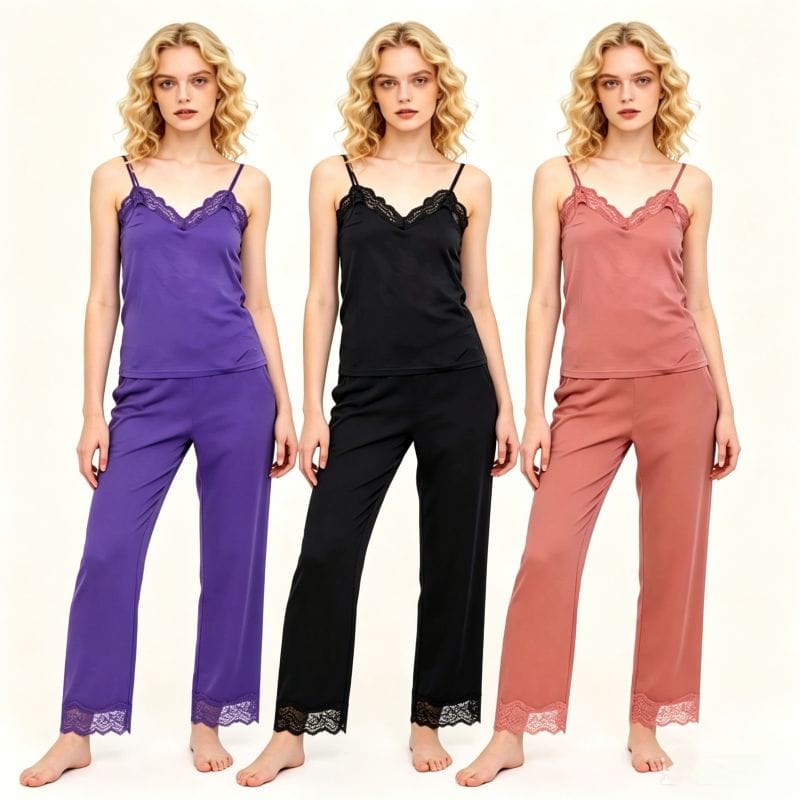
Maternity Loungewear Product References
Internal Resources for Maternity Loungewear Buyers
These Xiuxinyang resources help connect this topic with adjacent sourcing and production decisions:
- custom pajama manufacturer guide
- private label pajama sets guide
- custom loungewear sets guide
- OEM pajama production checklist
Maternity Loungewear Starts With Body Change
A maternity loungewear manufacturer should understand that the garment must support changing body proportions. The brief should address belly room, waistband pressure, bust comfort, fabric recovery, and movement.
Buyers should avoid treating maternity loungewear as a simple oversized version of standard loungewear. Pattern shaping, rise, seam placement, and stretch behavior all need specific review.
The best sample process includes fit checks across target body stages or fit forms where possible. This makes maternity loungewear manufacturer selection more technical than a regular lounge set purchase.
| Maternity Area | What to Review | Risk |
|---|---|---|
| Waist pressure | Relaxed and stretched fit | Discomfort |
| Belly room | Profile and movement | Pulling at front rise |
| Recovery | Fabric after stretch | Bagging |
This section is intentionally specific to maternity loungewear manufacturer, so the page no longer reads like a generic supplier article with the product name swapped in. The buying logic, risk points, and approval criteria are tied to the actual garment category.