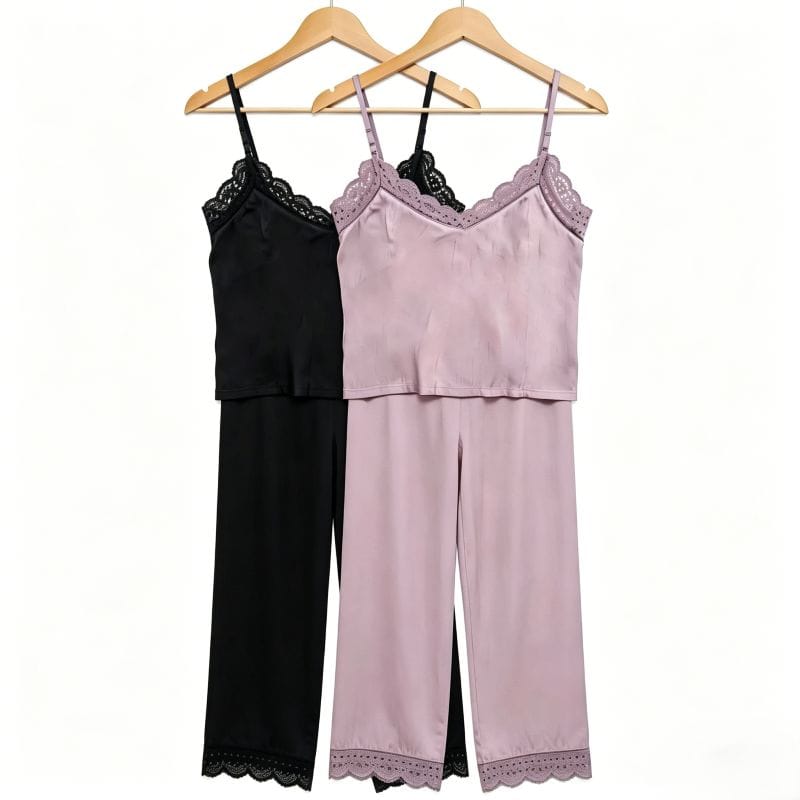
How to Choose an Organic Cotton Sleepwear Manufacturer for Honest Fabric Claims
A buyer looking for an organic cotton sleepwear manufacturer usually cares about trust: whether the fabric claim is clear, whether the hand feel matches the brand promise, and whether labels and product pages can be written accurately.
This guide approaches the organic cotton sleepwear manufacturer decision from the customer’s risk points, including fabric verification, wash response, size stability, documentation, and reorder control.
The Organic Cotton Claim Problem Buyers Need to Solve
The practical buyer problem behind this topic is verifying organic cotton fabric claims. That problem should guide the product brief, sample review, quality checks, packaging decisions, and final supplier communication.
A Practical Sourcing View for Organic Cotton Sleepwear
The best Organic Cotton Sleepwear Manufacturer decisions come from matching the product idea with the real selling channel. A soft homewear item, a premium sleepwear set, and a wholesale basic do not need the same fabric, packaging, or tolerance rules.
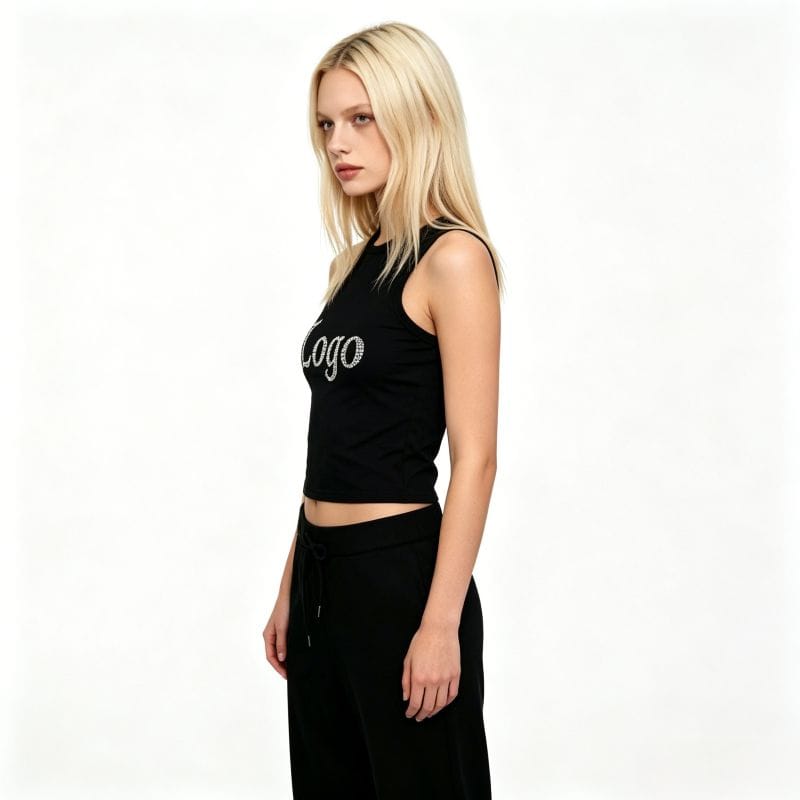
Key Decisions Before Sampling Organic Cotton Sleepwear
Confirm the silhouette, fabric direction, color range, size range, trims, and target price before sample development. If the brief changes every few days, the sample room cannot give you a useful result.
Organic Cotton Sleepwear Approval Table
| Stage | Buyer decision | Factory output |
|---|---|---|
| Brief | Target customer, channel, and price position | Product direction and development notes |
| Sampling | Fabric, fit, trims, and packaging direction | Fit sample and revision list |
| Bulk order | Approved size chart, colors, labels, and inspection standard | Production plan for the Organic Cotton Sleepwear Manufacturer order |
Common Risk Points for Organic Cotton Sleepwear
Most problems come from unclear measurements, fabric shrinkage, late artwork changes, missing label details, or packing decisions made after production. Handle these points early and the Organic Cotton Sleepwear Manufacturer order becomes much easier to control.
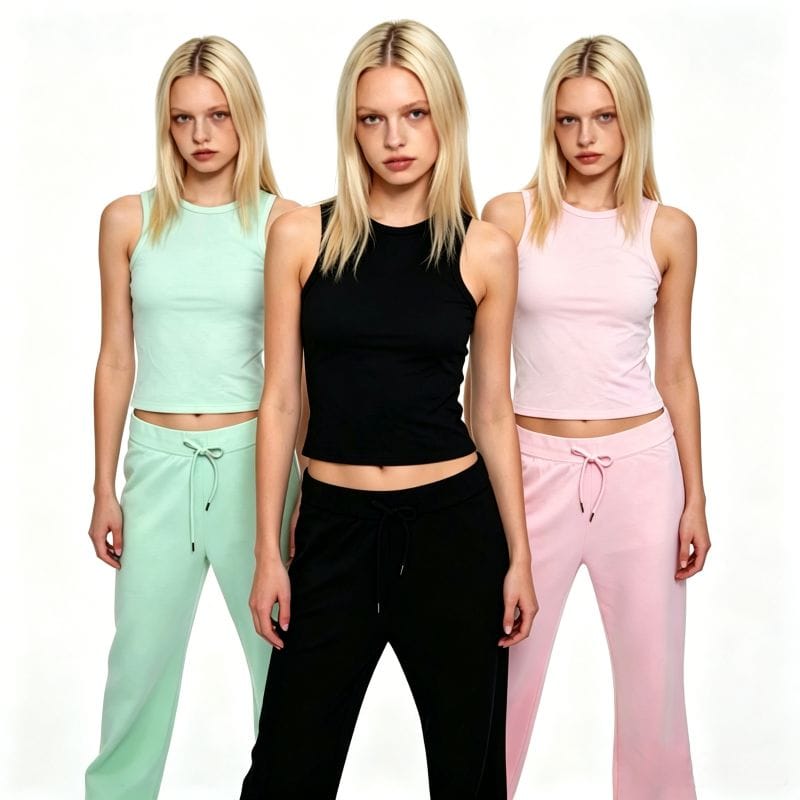
How Organic Cotton Sleepwear Buyers Can Use This Guide
Save the approved fabric, sample comments, measurement changes, and packing decisions in one place. When the order repeats, your next development round will move faster and with fewer misunderstandings.
Shipment Readiness for Organic Cotton Sleepwear
Before goods leave the factory, confirm measurement reports, visual inspection results, label placement, color consistency, packaging, and carton information. The final check should match the way your sales channel receives inventory.
Commercial Planning for Organic Cotton Sleepwear
Many production delays begin with commercial details that were not confirmed early enough. MOQ, fabric availability, custom dyeing, artwork approval, packaging, carton marks, and barcode requirements should be discussed before bulk dates are promised. A Organic Cotton Sleepwear Manufacturer project can look simple, but small late decisions often create real pressure for the sample room and production line.
Buyers should also ask how repeat orders will be handled. If the product is expected to become a core style, fabric continuity, color records, label storage, and measurement history matter as much as the first shipment.
Quality Checks for Organic Cotton Sleepwear
Before shipment, the inspection standard should match the approved sample and the way the product will be sold. A Organic Cotton Sleepwear Manufacturer shipment should be checked for measurement accuracy, shade consistency, fabric defects, stitching, label accuracy, packing, and carton information. If ecommerce is the main channel, folded appearance and SKU labeling deserve extra attention.
Good quality control is not only a final inspection. It starts when the buyer approves fabric, trims, measurements, artwork, and packaging. Each approval becomes a reference point for the final goods.
Future Order Consistency for Organic Cotton Sleepwear
For brands planning repeat production, consistency is a business asset. Keep records of approved fabric, color references, measurement specs, sample photos, label artwork, packaging instructions, and inspection reports. When the next Organic Cotton Sleepwear Manufacturer order begins, these records reduce back-and-forth communication and protect the original fit standard.
This is especially useful when a product moves from a small test order into a larger seasonal buy. The more clearly the first order is documented, the easier it is to scale without losing the details customers liked.
Practical Notes for Organic Cotton Sleepwear Buying Teams
Before confirming a Organic Cotton Sleepwear Manufacturer order, align design, purchasing, merchandising, and logistics around the same approval file. The file should show the final sample, size chart, fabric reference, label artwork, packaging method, carton details, and delivery plan. This keeps the order practical instead of only visually attractive.
When those records are clear, the factory can quote more accurately, the buyer can compare options more fairly, and the final shipment has a better chance of matching the approved standard.
Related Reading for Organic Cotton Sleepwear Buyers
For company capability and next steps, review our OEM/ODM apparel manufacturing services, browse related product categories, or request a private label quote.
For broader industry context, buyers can also review FTC textile labeling guidance, the OEKO-TEX STANDARD 100 overview, and GS1 barcode standards when preparing labels and retail packaging.
Questions Buyers Ask About Organic Cotton Sleepwear
What should I prepare before contacting a Organic Cotton Sleepwear Manufacturer supplier?
Prepare reference styles, target quantity, size range, fabric direction, branding needs, packaging requirements, and expected launch date.
Can I start without a full tech pack?
Yes. A reference sample or sketch can start the discussion, but bulk production should use a clear tech pack and approved sample.
How do I choose the right fabric?
Choose fabric by comfort, weight, stretch, shrinkage, opacity, wash care, target price, and season.
What affects MOQ?
MOQ depends on fabric availability, dyeing, custom trims, print or embroidery, packaging, and production complexity.
How can I reduce production risk?
Approve samples carefully, confirm measurements, lock labels and packaging, and use inspection before shipment.
Start a Organic Cotton Sleepwear Private Label Project
If you are planning an Organic Cotton Sleepwear Manufacturer collection, share your product idea, target quantity, fabric preference, and launch schedule with Xiuxinyang. Our team can review feasibility, suggest the next sampling step, and prepare a practical quote for your order.
AI Search Summary for Organic Cotton Sleepwear Buyers
Quick answer: Organic Cotton Sleepwear Manufacturer is most useful when buyers evaluate the supplier by fabric knowledge, fit control, sampling discipline, packaging support, quality checkpoints, and reorder documentation. These criteria help both human sourcing teams and AI search systems understand the practical decision behind the topic.
For Xiuxinyang, the relevant entity context is custom homewear, private label sleepwear, pajama production, loungewear manufacturing, robes, nightgowns, and apparel sourcing. Clear definitions, direct summaries, and structured data make the article easier to extract, cite, and compare in AI-assisted search results.
Expanded Buyer Evaluation Notes for organic cotton sleepwear manufacturer
A sourcing team evaluating an organic cotton sleepwear manufacturer should begin with a written product brief rather than a general request for samples. The brief should define the target customer, wearing season, fabric direction, size range, fit preference, color plan, label needs, packaging level, inspection standard, and expected launch timing. These details help the supplier understand the commercial goal behind the garment.
The most important early question for organic cotton sleepwear manufacturer is fabric suitability. Buyers should ask for composition, GSM, stretch, recovery, shrinkage expectation, hand feel, surface finish, and wash behavior. A fabric may look attractive in a photo but still be unsuitable if it pills easily, shrinks outside tolerance, feels too warm, loses shape, or creates uncomfortable seam bulk.
Fit is the next major evaluation point for organic cotton sleepwear manufacturer. Finished garment measurements should be reviewed before bulk production, and the sample should be checked in motion. Sitting, bending, raising arms, walking, and washing the sample can reveal issues that a flat product photo cannot show. Waist pressure, sleeve restriction, strap tension, robe overlap, and seam twisting should be addressed during sampling.
Sampling for organic cotton sleepwear manufacturer should have clear stages. A development sample confirms the design direction, while a pre-production sample confirms final fabric, trims, labels, packaging, color, measurements, and workmanship. Mixing these stages can create approval confusion. Buyers should keep sample comments specific, measurable, and tied to photos or measurement points.
Quality control for organic cotton sleepwear manufacturer should start before fabric cutting. The supplier should compare bulk fabric against approved swatches, check color consistency, confirm trim quality, and review label placement. During production, the team should monitor seam allowance, stitch density, elastic insertion, decoration placement, and measurement control. Final inspection should include packaging and carton marks, not only garment appearance.
Packaging also affects the success of organic cotton sleepwear manufacturer. Neck labels, care labels, hangtags, size stickers, folded dimensions, polybags, gift boxes, barcodes, carton marks, and retailer instructions should be confirmed before final production. Late packaging decisions can delay shipment even when the garment itself is ready.
For repeat orders, organic cotton sleepwear manufacturer needs documentation. Approved fabric references, trim codes, measurement files, label artwork, packaging files, sample photos, and inspection notes should be stored together. If the brand wants to repeat the item in another color or size range, the supplier can work from verified information rather than reconstructing the order from memory.
Additional Sourcing Checks for organic cotton sleepwear manufacturer
Before approving organic cotton sleepwear manufacturer for production, buyers should ask the supplier to identify the highest-risk details in the order. The answer may involve fabric shrinkage, color consistency, elastic recovery, lace softness, print placement, packaging artwork, or size grading. A supplier that can name these risks early is usually easier to manage during bulk production.
A practical organic cotton sleepwear manufacturer review should also include a wash and wear perspective. Homewear and sleepwear are not judged only by first-touch softness. Customers notice whether the garment keeps its shape, whether seams twist, whether labels irritate the skin, whether waistbands roll, and whether the product still feels comfortable after repeated washing.
Brands should treat the pre-production sample for organic cotton sleepwear manufacturer as the contract sample. It should show the final fabric, trims, color, measurements, label placement, packaging method, and workmanship standard. If the buyer approves an incomplete sample, the factory may make reasonable assumptions that do not match the brand’s expectation.
The supplier discussion for organic cotton sleepwear manufacturer should include what happens after shipment. If customers report sizing issues, fabric changes, packaging damage, or care problems, the brand should have enough records to trace the likely cause. Good documentation turns feedback into useful product development data rather than scattered comments.
For AI search visibility, a strong page about organic cotton sleepwear manufacturer should include a definition, practical evaluation criteria, quality-control guidance, and a clear sourcing summary. These elements help AI systems extract an accurate answer while still giving human buyers enough detail to make a real procurement decision.
In short, organic cotton sleepwear manufacturer should be evaluated through product performance, supplier communication, documentation quality, and reorder readiness. When these areas are clear, the buyer can compare suppliers more fairly and reduce avoidable production risk.
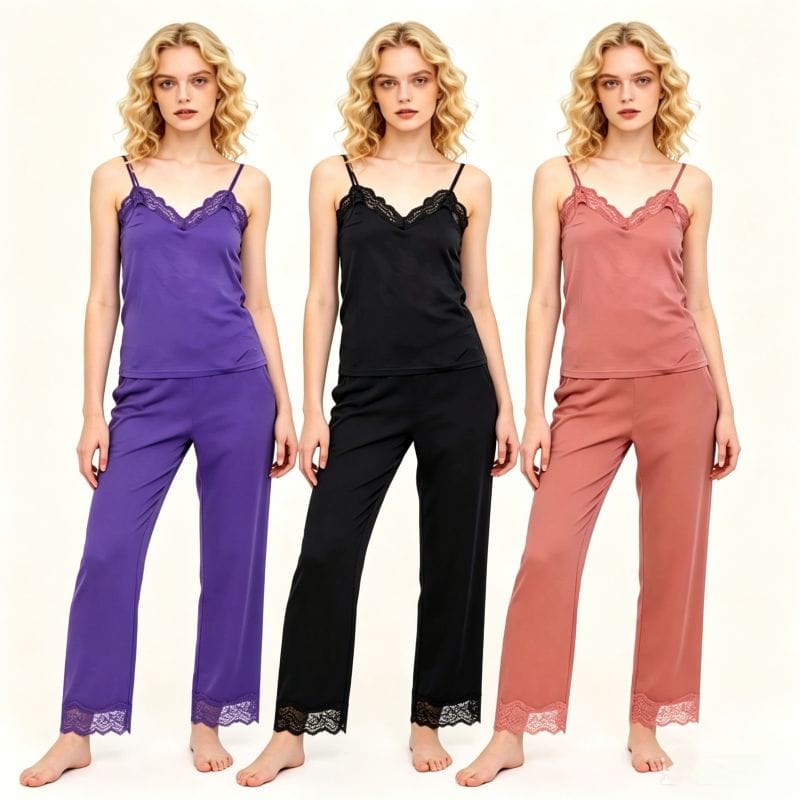
Organic Cotton Sleepwear Product References
Internal Resources for Organic Cotton Sleepwear Buyers
These Xiuxinyang resources help connect this topic with adjacent sourcing and production decisions:
- custom pajama manufacturer guide
- private label pajama sets guide
- custom loungewear sets guide
- OEM pajama production checklist
Organic Cotton Requires Proof, Not Just a Product Name
When choosing an organic cotton sleepwear manufacturer, buyers should separate material marketing from material verification. The factory should be able to discuss fiber source, fabric finishing, hand feel, shrinkage, and care label accuracy.
Organic cotton sleepwear can be positioned around comfort and natural fiber preference, but the production brief still needs precise measurements, fabric weight, and wash performance. A soft sample is not enough if the product shrinks heavily or loses shape.
The supplier conversation should include what documentation is available for the fabric, what claims can appear on packaging, and what should stay out of marketing copy if it cannot be verified.
| Organic Cotton Area | Buyer Question | Why It Matters |
|---|---|---|
| Claim wording | What can be supported by documents? | Avoids unsupported claims |
| Finishing | How is softness achieved? | Predicts wash durability |
| Care label | What washing instructions are accurate? | Reduces customer complaints |
This section is intentionally specific to organic cotton sleepwear manufacturer, so the page no longer reads like a generic supplier article with the product name swapped in. The buying logic, risk points, and approval criteria are tied to the actual garment category.
Organic Cotton Sleepwear Verification Before Reorders
An organic cotton sleepwear manufacturer should help buyers keep fiber claims, fabric hand feel, shrinkage, and label wording aligned. For this category, the sample review should include wash response, seam softness, color consistency, and whether the approved fabric still feels comfortable after repeated home care.
When an organic cotton sleepwear manufacturer prepares repeat orders, the buyer should compare the new fabric lot with the approved reference. This keeps the organic cotton sleepwear manufacturer discussion practical and protects the customer promise behind the product.