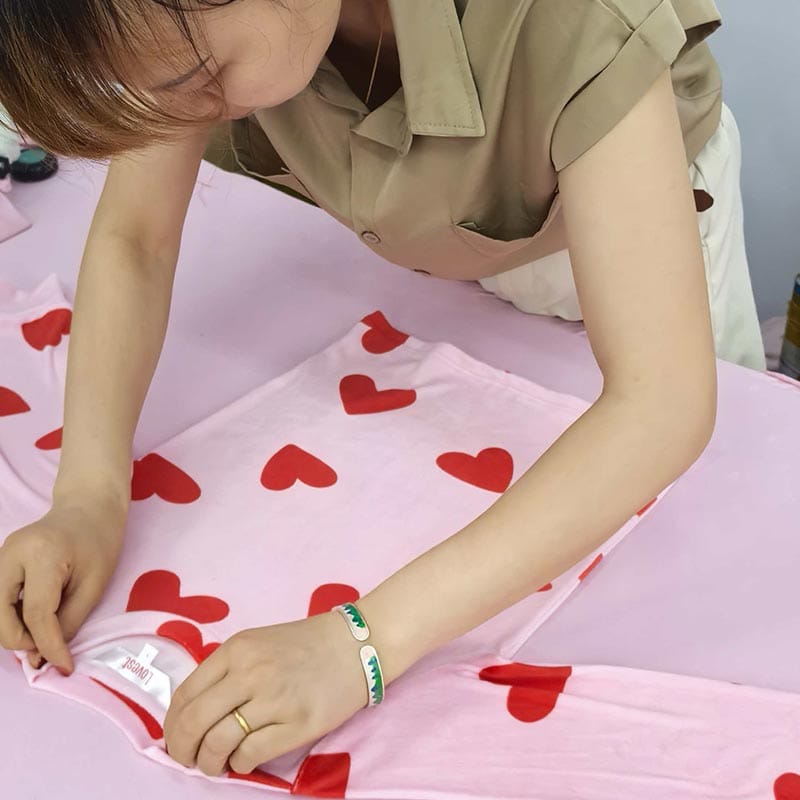
Private Label Loungewear Manufacturer Guide
Table of Contents
Choosing a private label loungewear manufacturer is not only a sourcing task. It shapes fabric feel, fit consistency, packaging decisions, delivery planning, and the way customers experience the finished collection. For apparel brands, the best partner is usually the one that can translate a commercial idea into repeatable production without making the process feel vague. This private label loungewear manufacturer guide explains what to check before you move from sample request to bulk order.
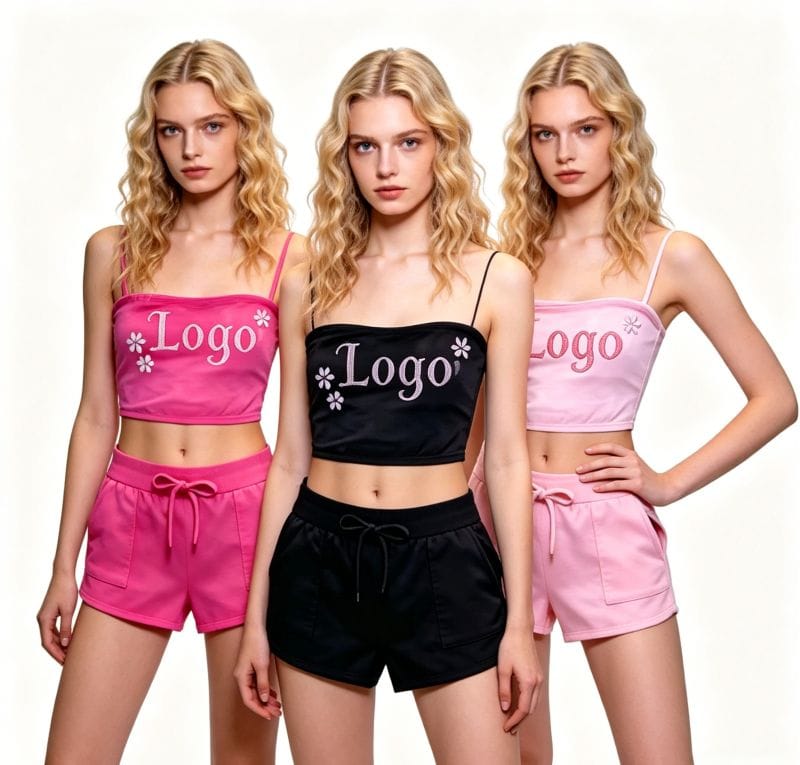
Start With Product Intent, Not Just a Style Photo
A reliable private label loungewear manufacturer should ask how the product will be worn, washed, packed, and sold. A brushed fleece set for winter gifting has different needs from a lightweight ribbed lounge set for spring retail. Even when two garments look similar in a reference image, the development route can change once stretch recovery, hand feel, opacity, seam placement, and size range are discussed.
Before approaching a private label loungewear manufacturer, prepare a concise product brief. Include the target customer, season, preferred fabric direction, color palette, size range, branding placement, packaging needs, and any market compliance concerns. This does not need to be a perfect technical package at the first conversation, but it should give the factory enough context to make practical recommendations instead of guessing.
What a Private Label Loungewear Manufacturer Needs in a Brief
- Clear garment type, such as pajama set, robe, lounge dress, jumpsuit, shorts set, or coordinated capsule.
- Fabric target, including fiber preference, weight, stretch level, surface texture, and warmth expectations.
- Fit direction, such as relaxed, slim, oversized, cropped, tall, petite, maternity, or plus-size grading needs.
- Branding details, including woven label, care label, hangtag, heat transfer, embroidery, rhinestone, or print placement.
- Quality priorities, such as colorfastness, seam strength, shrinkage control, pilling resistance, and packaging presentation.
When this information is organized early, a private label loungewear manufacturer can respond with more accurate sampling advice. It also reduces the risk of approving a good-looking sample that cannot be produced consistently at scale.
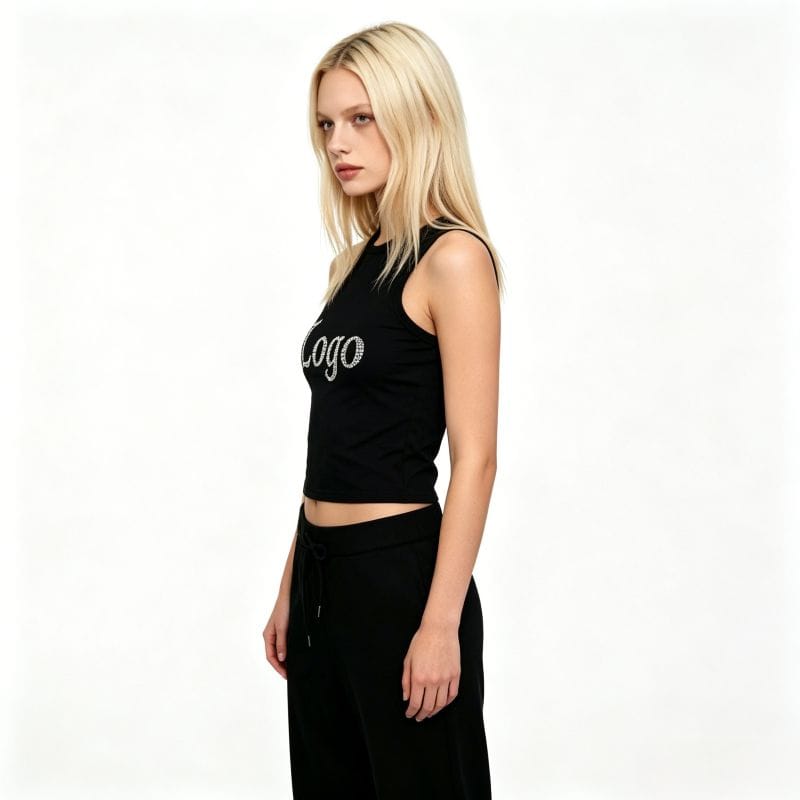
Fabric Choices That Affect Comfort and Repeat Orders
Loungewear is judged by touch before anything else. Cotton, modal blends, viscose blends, fleece, waffle knit, velvet, coral fleece, rib knit, and stretch jersey can all work, but each fabric creates a different wearing experience. A private label loungewear manufacturer should be able to discuss fabric behavior in plain terms: whether it drapes or holds shape, how it responds to repeated washing, how much stretch recovery it offers, and whether it suits prints, embroidery, or decorative trims.
For brands selling into markets with stronger sustainability or traceability expectations, it is useful to understand recognized textile programs before making claims. Organizations such as Textile Exchange publish standards used across the textile supply chain, while the OECD garment and footwear guidance outlines due diligence expectations for responsible supply chains. These resources can help teams use careful language and avoid unsupported product claims.
OEM, ODM, and Private Label: Know the Difference
| Model | Best For | What the Brand Should Prepare |
|---|---|---|
| OEM production | Brands with their own design and specifications | Tech pack, measurements, trims, artwork, and sample standard |
| ODM development | Brands needing design support from an existing factory base | Mood board, target customer, fabric direction, and reference styles |
| Private label production | Brands building products under their own labels | Logo details, label files, packaging requirements, and quality expectations |
A private label loungewear manufacturer may support all three models, but the workflow should be clear from the beginning. If your team owns the design, protect the specifications and make approvals traceable. If you need more development support, ask how the factory manages fabric sourcing, pattern adjustment, sample comments, and production records.
Sampling Should Test More Than Appearance
A polished sample photo is useful, but it does not prove production readiness. A private label loungewear manufacturer should connect every sample decision to bulk feasibility. Ask the private label loungewear manufacturer how sample comments are recorded and how changes are confirmed before bulk cutting. For loungewear, small details matter: neckline recovery, waistband tension, pocket position, sleeve length, inseam comfort, lace edge stability, and whether decorative elements feel secure after handling.
Fit approval should also be realistic. If a collection includes plus-size, tall, petite, or children’s sizing, grading rules need more attention than a simple proportional increase. A private label loungewear manufacturer with practical development experience should be willing to flag risky measurements before production, especially when stretch fabrics or relaxed silhouettes are involved.
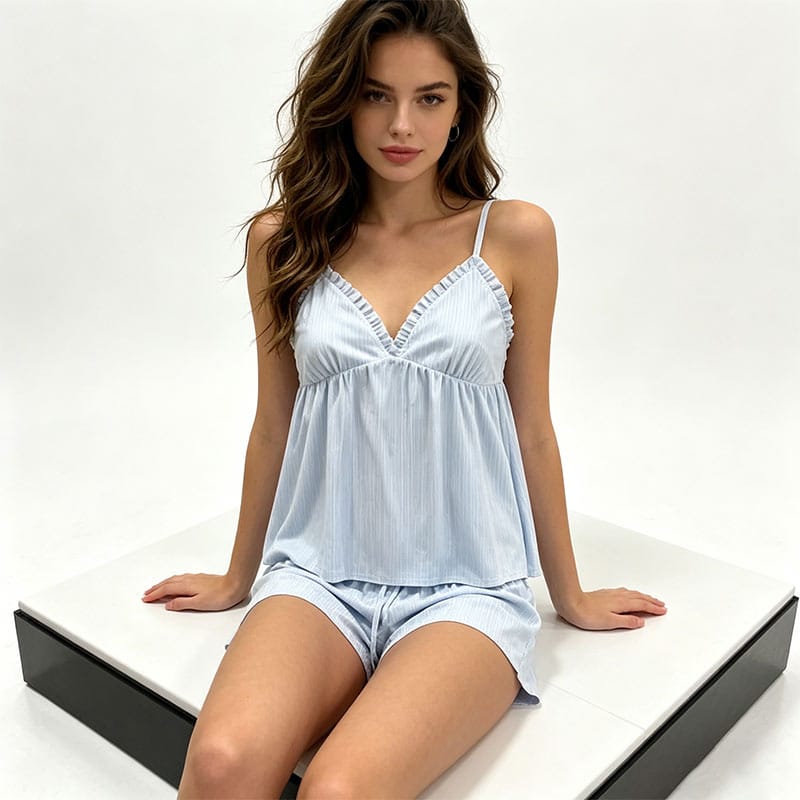
Quality Control Questions to Ask Before Bulk Production
- Which measurements are checked before, during, and after sewing?
- How are fabric shade, shrinkage, and hand feel confirmed against the approved sample?
- What inspection steps are used for trims, labels, printing, embroidery, or hot-fix decoration?
- How are defects recorded, corrected, and communicated before shipment?
- What packaging standard will be followed for folding, poly bags, cartons, and barcode placement?
These private label loungewear manufacturer questions are not about creating friction. They help both sides define what “approved quality” means. A capable private label loungewear manufacturer should be comfortable discussing inspection points and should not treat quality control as something that only happens at the end.
Communication Signals That Matter
Good private label loungewear manufacturer selection depends on clear communication. Look for a private label loungewear manufacturer that answers with specific next steps, not only broad promises. Useful responses often include fabric options, sample timing, file requirements, comments on construction feasibility, and questions that show the team understands your selling channel.
It is also worth checking how the factory handles revisions. When sample feedback is scattered across messages, photos, and spreadsheets, mistakes become easier. A more disciplined process keeps comments tied to measurements, materials, and approval versions, so the final sample becomes a reliable production reference.
Private Label Loungewear Manufacturer Final Checklist
- Review relevant product experience in loungewear, sleepwear, robes, knit sets, or casual homewear.
- Ask for fabric and trim recommendations that match your customer and season.
- Confirm whether the factory supports OEM, ODM, and private label workflows.
- Check how samples, approvals, size grading, and quality standards are documented.
- Make sure branding, packaging, and shipment details are discussed before bulk production begins.
The right private label loungewear manufacturer should make product development more precise, not more complicated. When fabric, fit, branding, sampling, and inspection are handled with discipline, brands can build loungewear collections that feel consistent from the first sample to repeat orders.