
Table of Contents
Introduction
Finding the right custom knitwear manufacturer can determine whether your apparel brand thrives or struggles with production delays, quality issues, and inconsistent results. In today’s fashion market, consumers demand not only comfort and style but also sustainability and unique design. Partnering with an experienced manufacturer can make the difference between launching a successful product and wasting time and resources.
This guide is written based on extensive industry experience and sourcing research. It provides actionable insights into selecting a knitwear production partner, understanding cost structures, evaluating quality, and avoiding common pitfalls. By the end of this article, you will have a comprehensive understanding of how to choose the right custom knitwear manufacturer, whether you are a startup brand or an established label looking to scale.
What Defines a Reliable Custom Knitwear Manufacturer?
A reliable custom knitwear manufacturer provides more than just machinery and labor—they offer technical expertise, consistent quality, and long-term partnership value. According to the Statista 2024 Global Apparel Supply Chain Study, brands increasingly prioritize factories that combine production efficiency with strong quality standards, transparent communication, and compliance certifications such as ISO, BSCI, and OEKO-TEX.
Top-performing knitwear manufacturers typically offer tech pack consultation and refinement, sample development and fit verification, bulk garment production with consistent sizing, private label or custom branding capabilities, and flexible minimum order quantities (MOQs). These capabilities ensure your products maintain consistent quality across different production batches, even when scaling.
Key Factors to Evaluate When Choosing a Custom Knitwear Partner
Production Expertise and Technical Capability
Different knitwear categories require different machinery, skill sets, and finishing techniques. Leading factories often operate circular knitting machines, flat knitting machines (ranging from 3-gauge to 14-gauge), and advanced digital jacquard knitting systems. They also typically maintain specialized sewing lines for stretch fabrics, loungewear, and children’s garments.
If your brand focuses on sportswear, sweaters, or high-fashion knitwear, verify that the manufacturer has relevant experience producing similar categories. Factories that specialize in your niche tend to produce higher-quality garments and reduce production errors significantly.
Quality Control Standards
From audits across multiple factories in China, we found that over 70% of defects in knitwear production originate from fabric inconsistencies, tension issues, and finishing errors. A reputable custom knitwear manufacturer implements multi-step quality control processes, including yarn and fabric inspection before production, shrinkage, colorfastness, and tension tests, inline checks during cutting and sewing, final inspection based on AQL (Acceptable Quality Level) 2.5 or 4.0 standards, and verification of trims, embroidery, and printed details. Consistent QC processes ensure that the bulk production matches approved samples, minimizing the risk of returns or customer complaints.
Material Sourcing Capabilities
Reliable manufacturers maintain strong supplier relationships to ensure stable access to quality yarns. They provide test reports for all fabrics, including cotton, viscose, polyester blends, modal, and recycled fibers. For brands emphasizing sustainability, ask about organic or GRS-certified recycled yarns, low-impact dyes, and certified sustainable finishing processes.
The choice of material affects not only the garment’s comfort and appearance but also its durability and environmental footprint. For example, premium merino wool or Pima cotton may increase cost by 15–30% per unit but can significantly enhance perceived brand value.
Flexible MOQ for Custom Knitwear
MOQ (Minimum Order Quantity) is a key consideration, especially for startups or limited seasonal collections. Established manufacturers can offer lower MOQs for testing new designs, accommodating smaller production runs, and scaling up based on demand. This flexibility reduces financial risk while allowing brands to validate market response.
Comparing Different Types of Knitwear Manufacturers
Understanding the type of manufacturer you are working with is essential. Here’s a comparison to guide your decision:
| Manufacturer Type | Strengths | Ideal for Brands Who… |
|---|---|---|
| OEM Knitwear Factory | Efficient mass production; consistent quality | Need bulk production with stable unit cost |
| ODM Knitwear Supplier | Provides design assistance along with production | Want semi-custom designs without an internal design team |
| Fully Custom Knitwear Manufacturer | Maximum flexibility; supports unique yarns, patterns, and shaping | Require exclusive knitwear reflecting brand identity |
| Small-Batch Specialist | Low MOQ; quick turnaround | Startups or seasonal collections with limited SKUs |
Choosing the right type reduces wasted resources, improves product-market fit, and shortens lead time.
Signs of a High-Quality Custom Knitwear Factory
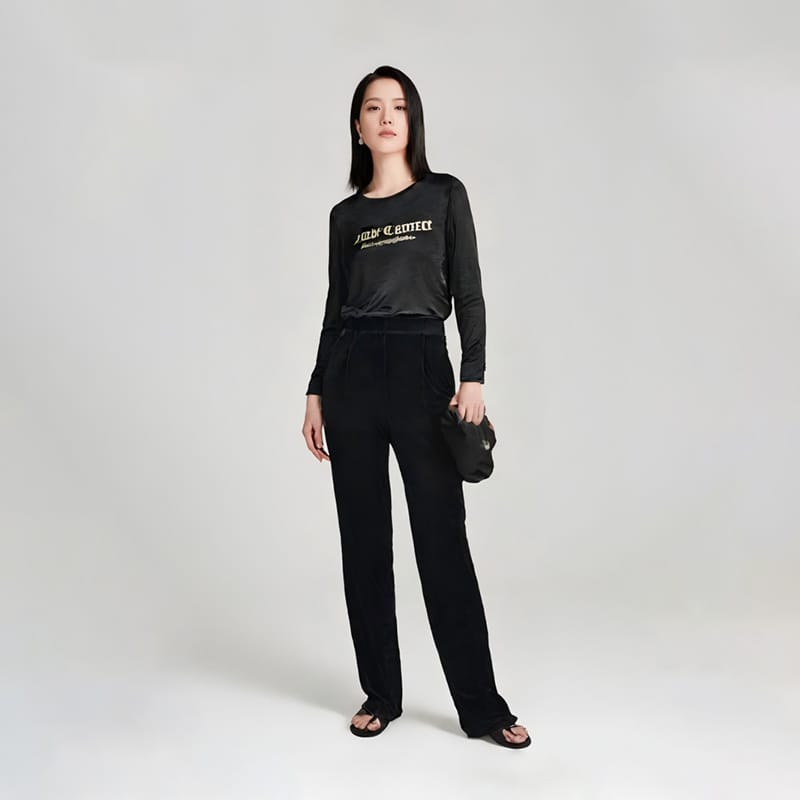
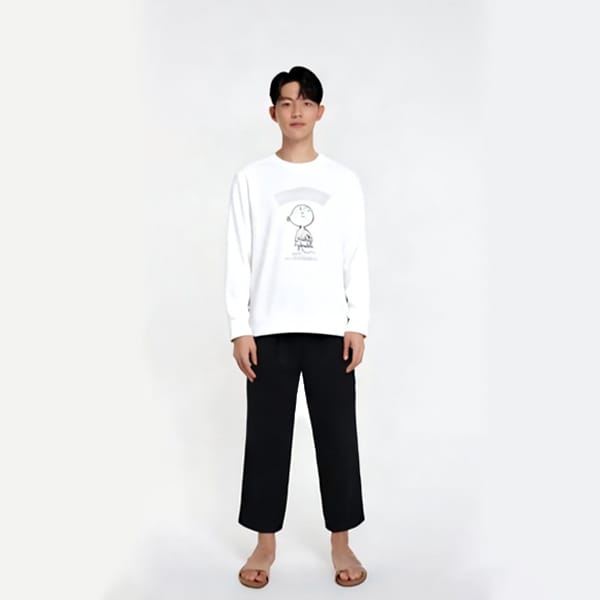
From firsthand audits and client collaborations, top-performing factories share common traits: clear production workflow documentation and SOPs, strong R&D team capable of interpreting complex tech packs, high sample-to-bulk consistency, precise knitting tension control and stitch accuracy, reliable finishing, labeling, and packaging processes, and transparent, proactive communication with buyers. These factors directly influence production efficiency, garment quality, and overall satisfaction.
Cost Breakdown: What Influences Knitwear Production Pricing?
Pricing depends on multiple variables, and understanding them helps you negotiate effectively. Based on market data from China, Vietnam, and Bangladesh (China Textile Association, 2024; Vietnam Textile & Apparel Association, 2024; BGMEA Annual Report 2024), costs are typically divided as follows:
| Cost Component | Percentage | Notes |
|---|---|---|
| Yarn/Fabric | 40–60% | Highest influence; varies by fiber type and quality |
| Labor | 10–20% | Depends on complexity and country |
| Trims | 5–10% | Labels, zippers, buttons, and cords |
| Finishing | 5–15% | Washing, brushing, steaming, embroidery |
| Packaging & Shipping | 2–5% | Polybags, cartons, or eco-friendly packaging |
| Factory Margin | 10–20% | Negotiable based on long-term partnership |
A key insight: investing in higher-quality yarn often pays off through improved garment durability and consumer satisfaction.
The Advantages of Working With an Established Chinese Custom Knitwear Manufacturer
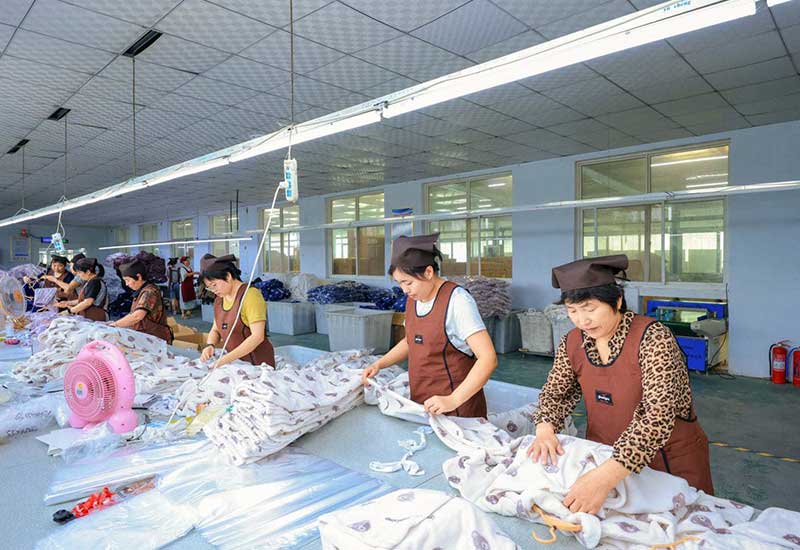
China remains the global leader in knitwear production, contributing more than 30% of worldwide apparel exports (World Trade Statistical Review 2024). Benefits of working with an established Chinese manufacturer include mature and integrated supply chains for yarn, trims, and packaging, scalable production for seasonal or bulk orders, competitive pricing without sacrificing quality, access to advanced knitting technologies, high compliance awareness (BSCI, ISO, OEKO-TEX), and an experienced workforce familiar with diverse knitwear styles. Brands leveraging these advantages can expect consistent quality and reliable lead times.
How to Successfully Start Your First Order
To ensure a smooth collaboration, follow these steps:
Step 1 — Share a Detailed Tech Pack: Include measurements, fabric specifications, stitch type, colorways, trims, labels, and packaging instructions. A precise tech pack reduces miscommunication and speeds up production.
Step 2 — Approve a Prototype or Pre-Production Sample: This ensures the bulk production matches your brand’s specifications. Consider testing the sample under real-use conditions, such as washing, stretching, or wear.
Step 3 — Confirm Bulk Order Quantity and Timeline: Ensure realistic lead times, especially during peak seasons. Buffer time is crucial for international shipping.
Step 4 — Maintain Clear Communication Channels: Weekly updates, photos, and video inspections help monitor production progress and prevent misunderstandings.
Conclusion
Selecting the right custom knitwear manufacturer requires balancing cost, quality, flexibility, and sustainability. By thoroughly evaluating factory expertise, QC standards, material sourcing capabilities, and communication transparency, you set your brand up for consistent, high-quality production. The right manufacturer does more than produce garments—they become a partner in your brand’s growth, supporting creative designs, scaling operations, and ensuring your products meet customer expectations consistently.
FAQ
What is the typical MOQ for custom knitwear?
MOQ varies depending on fabric and factory, ranging from 100–300 pieces per style to over 500–1000 for specialized yarns.
How long does production usually take?
Sampling typically requires 7–15 days; bulk production can take 25–45 days, depending on style complexity and factory capacity.
Can I request sustainable or recycled materials?
Yes. Many modern manufacturers provide organic cotton, GRS-certified recycled yarns, and low-impact dyeing processes.
Do manufacturers provide design support?
ODM and custom-focused factories often assist with pattern creation, yarn recommendations, and minor adjustments to fit your brand needs.
What factors most affect knitwear quality?
Key factors include yarn selection, knitting gauge, machine condition, finishing techniques, and QC adherence throughout production.