
Table of Contents
Introduction
If you’re planning to scale your apparel brand, finding a reliable clothing manufacturer in China is one of the most critical decisions you will make. China remains a global hub for garment production due to its mature supply chain, skilled workforce, and advanced manufacturing capabilities. However, the market is vast and competitive, with factories varying widely in quality, transparency, and reliability. This guide will help you understand how to identify the right manufacturer, evaluate production capabilities, assess quality standards, manage costs, and avoid common pitfalls. We’ll also include actionable tips for new brands and startups to ensure your first order goes smoothly and meets your expectations.
Why China Remains the Leading Apparel Manufacturing Hub
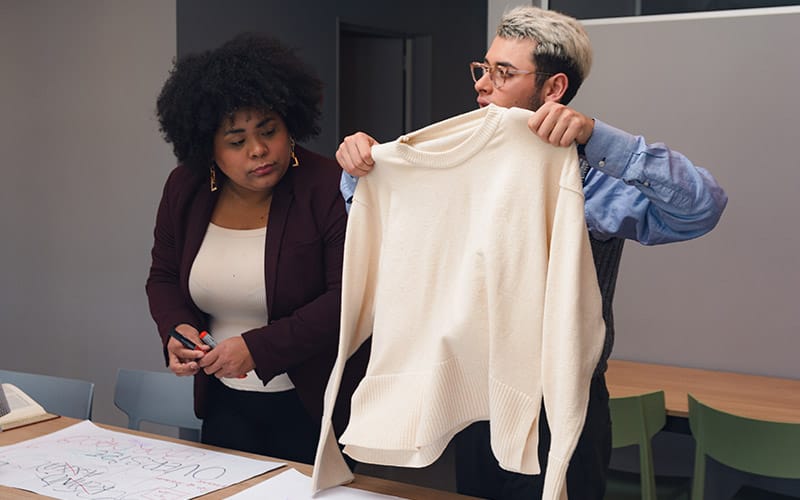
China accounts for more than 35% of global apparel exports (World Trade Statistical Review, 2024), thanks to mature and integrated supply chains for yarn, fabrics, trims, packaging, and logistics. Factories are equipped with modern knitting, sewing, cutting, and finishing machinery. The skilled workforce can produce complex garments efficiently, and factories are scalable to handle both small test orders and large bulk shipments. Many factories also follow international compliance standards such as BSCI, ISO, and OEKO-TEX. Brands benefit from shorter lead times, consistent quality, and cost efficiency when working with established Chinese manufacturers.
How to Identify a Reliable Clothing Manufacturer
Finding a trustworthy manufacturer requires careful evaluation. Key factors to consider include production capacity and expertise, sample quality, communication transparency, and quality control practices.
Production Capacity and Expertise
A factory’s production capacity should match your brand’s volume needs. Verify if they specialize in knitwear, sportswear, loungewear, children’s clothing, or high-end fashion. Check how many production lines they have and whether they use modern equipment capable of producing your designs accurately. Factories that specialize in your niche tend to produce higher-quality garments and reduce production errors significantly.
Sample Quality and Pre-Production Support
The best manufacturers invest in sample quality. They should provide proto samples to verify initial design concepts, fit samples to check sizing accuracy, and pre-production samples as final approval before bulk production. High-quality samples reduce the risk of defects and ensure that the bulk order meets your expectations.
Transparent Communication
Reliable manufacturers proactively communicate production timelines, material sourcing updates, any issues during production, and photos or videos of the manufacturing process. If the factory is slow to respond or vague about processes, it’s often a red flag.
Quality Control Practices
Check whether the manufacturer follows robust quality control (QC) procedures, including fabric and yarn inspection before cutting, inline QC during sewing, and final AQL inspection for finished garments. Factories with strong QC practices ensure fewer defects and higher customer satisfaction.
Evaluating Costs and Minimum Order Quantities
Understanding pricing and MOQ is essential for budgeting and planning. Average cost components include fabric/yarn (50–65%), labor (10–20%), trims and accessories (5–10%), printing/embroidery (5–15%), and packaging (2–5%). Typical MOQs in China include basic T-shirts 100–300 pcs per color, hoodies/sweaters 200–300 pcs, shorts/joggers 200–300 pcs, and custom fabrics 500–1000 meters. Smaller MOQs are possible with factories specializing in small-batch production, ideal for startups testing new designs.
| Garment Type | MOQ |
|---|---|
| Basic T-shirts | 100–300 pcs per color |
| Hoodies/Sweaters | 200–300 pcs |
| Shorts/Joggers | 200–300 pcs |
| Custom fabrics | 500–1000 meters |
Red Flags to Avoid
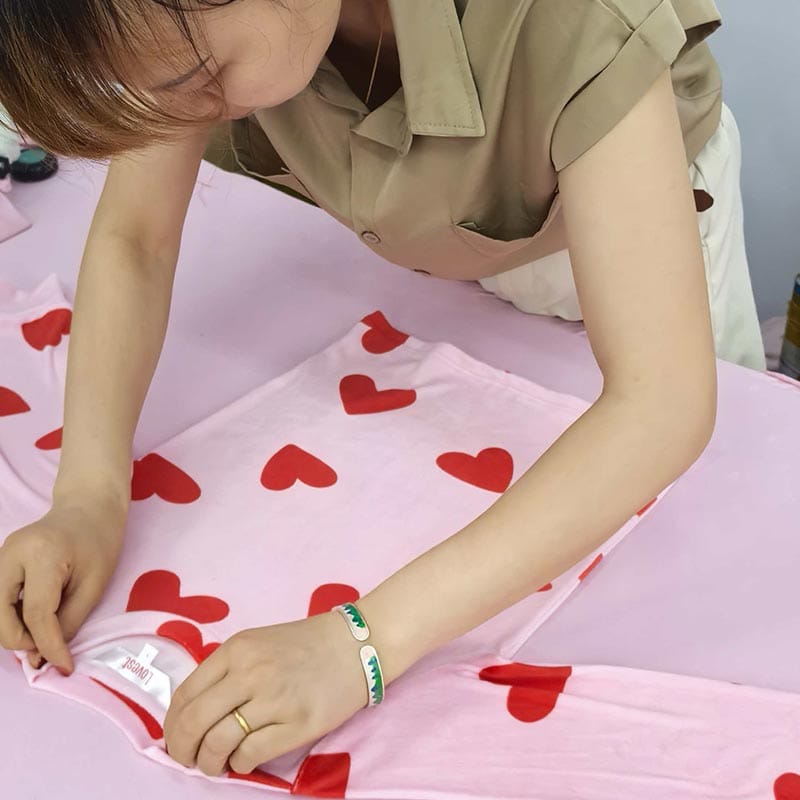
Not all manufacturers are reliable. Watch out for factories that refuse to provide production photos or videos, offer prices far below the market average, are slow or inconsistent in communication, lack clear quality control processes, or pressure you to increase order quantity before sampling. Avoiding these red flags saves time, money, and stress.
How to Build a Long-Term Partnership
A successful relationship with a manufacturer goes beyond a single order. Start with smaller orders to test quality and reliability, maintain clear communication and regular updates, document all specifications in tech packs, schedule periodic audits or inspections, and negotiate terms for repeat orders and volume discounts. Long-term partnerships result in better pricing, priority production slots, and more collaborative support.
Additional Tips for Startups
Use local sourcing agents or consultants if you’re new to China’s market. Consider visiting the factory in person to verify capabilities and build trust. Factor in shipping lead times, especially during peak seasons. Request sustainable or certified fabrics if your brand values eco-conscious production. Keep a buffer for production and shipping delays to avoid missing launch deadlines.
Conclusion
Finding a reliable clothing manufacturer in China requires careful evaluation of production expertise, quality control, communication, pricing, and reliability. Start small, verify samples, maintain transparency, and build trust over time. A strong partnership ensures consistent product quality, efficient production, and sustainable growth for your apparel brand. By following these guidelines, you can avoid common pitfalls, save resources, and create long-term value for your brand.
FAQ
How do I know if a Chinese manufacturer is reliable?
Check sample quality, QC processes, production capacity, communication speed, and compliance certifications.
What is a typical lead time for orders?
Samples: 7–15 days; bulk production: 25–45 days depending on style complexity and season.
Can I produce small batches?
Yes, choose a factory specializing in small-batch production or startups. MOQs as low as 100–300 pieces are possible.
Should I visit the factory in person?
If feasible, yes. Factory visits help verify equipment, workforce, and production practices, building trust and reducing risk.
How do I manage costs effectively?
Negotiate based on materials, simplify complex designs if possible, and consider seasonal production to optimize efficiency.