
Comment trouver un fabricant de vêtements fiable en Chine : 2025 Guide complet
Table des matières
Introduction
Si vous envisagez de développer votre marque de vêtements, trouver un fabricant fiable en Chine est une décision cruciale. La Chine demeure un pôle mondial de production textile grâce à sa chaîne d'approvisionnement performante, sa main-d'œuvre qualifiée et ses capacités de production avancées. Cependant, le marché est vaste et concurrentiel, et la qualité, la transparence et la fiabilité des usines varient considérablement. Ce guide vous aidera à identifier le fabricant idéal, à évaluer ses capacités de production, à apprécier les normes de qualité, à maîtriser les coûts et à éviter les pièges courants. Nous vous proposons également des conseils pratiques pour les nouvelles marques et les startups, afin de garantir le bon déroulement de votre première commande et sa conformité à vos attentes.
Pourquoi la Chine reste le principal centre de fabrication de vêtements
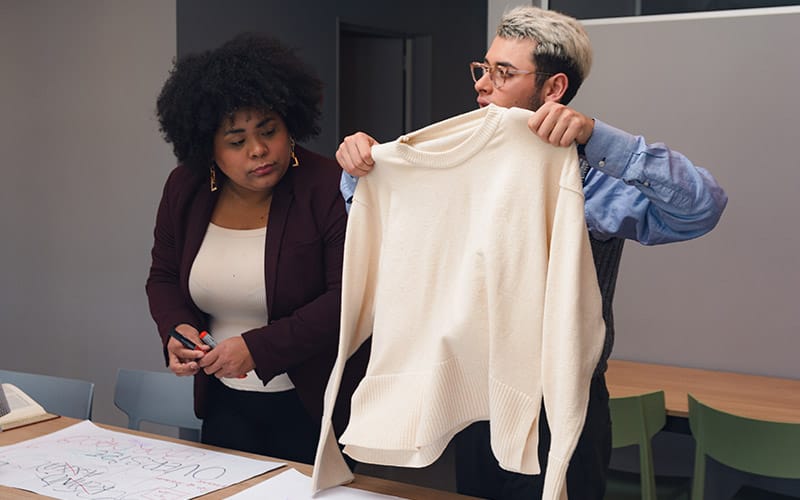
La Chine représente plus de 351 000 milliards de tonnes d'exportations mondiales de vêtements (Revue statistique du commerce mondial, 2024), grâce à des chaînes d'approvisionnement matures et intégrées pour les fils, les tissus, les fournitures, les emballages et la logistique. Les usines sont équipées de machines modernes pour le tricotage, la couture, la coupe et la finition. La main-d'œuvre qualifiée permet de produire efficacement des vêtements complexes, et les usines sont modulables pour gérer aussi bien les petites commandes tests que les livraisons en grande quantité. Nombre d'entre elles respectent également les normes internationales de conformité telles que BSCI, ISO et OEKO-TEX. Les marques bénéficient de délais de livraison plus courts, d'une qualité constante et d'une meilleure rentabilité lorsqu'elles travaillent avec des fabricants chinois établis.
Comment identifier un fournisseur fiable Fabricant de vêtements
Trouver un fabricant fiable exige une évaluation minutieuse. Les principaux facteurs à prendre en compte sont la capacité de production et l'expertise, la qualité des échantillons, la transparence de la communication et les pratiques de contrôle de la qualité.
Capacité de production et expertise
La capacité de production d'une usine doit correspondre aux besoins de votre marque. Vérifiez si elle est spécialisée dans la maille, les vêtements de sport, les vêtements d'intérieur, les vêtements pour enfants ou la haute couture. Assurez-vous du nombre de lignes de production dont elle dispose et de l'utilisation d'équipements modernes capables de reproduire vos modèles avec précision. Les usines spécialisées dans votre secteur ont tendance à produire des vêtements de meilleure qualité et à réduire considérablement les erreurs de production.
Qualité des échantillons et soutien à la préproduction
Les meilleurs fabricants investissent dans la qualité des échantillons. Ils fournissent des prototypes pour valider les concepts de conception initiaux, des échantillons d'essayage pour vérifier la précision des dimensions et des échantillons de pré-production pour approbation finale avant la production en série. Des échantillons de haute qualité réduisent les risques de défauts et garantissent que la commande en série répondra à vos attentes.
Communication transparente
Les fabricants fiables communiquent proactivement sur les délais de production, les mises à jour concernant l'approvisionnement en matières premières, les éventuels problèmes rencontrés en cours de production, ainsi que des photos ou des vidéos du processus de fabrication. Si l'usine tarde à répondre ou reste vague sur ses procédures, c'est souvent un signe d'alerte.
Pratiques de contrôle de la qualité
Vérifiez si le fabricant applique des procédures de contrôle qualité rigoureuses, notamment l'inspection du tissu et du fil avant la coupe, le contrôle qualité en cours de couture et le contrôle final. AQL Inspection des vêtements finis. Les usines dotées de pratiques de contrôle qualité rigoureuses garantissent moins de défauts et une plus grande satisfaction client.
Évaluation des coûts et des quantités minimales de commande
Comprendre les prix et les quantités minimales de commande (MOQ) est essentiel pour la budgétisation et la planification. Les principaux éléments de coût sont le tissu/fil (50 à 650 TP3T), la main-d'œuvre (10 à 200 TP3T), les fournitures et accessoires (5 à 100 TP3T), l'impression/broderie (5 à 150 TP3T) et l'emballage (2 à 50 TP3T). En Chine, les MOQ typiques sont de 100 à 300 pièces par couleur pour les t-shirts basiques, de 200 à 300 pièces pour les sweats à capuche/pulls, de 200 à 300 pièces pour les shorts/joggers et de 500 à 1 000 mètres pour les tissus personnalisés. Des MOQ plus faibles sont possibles auprès des usines spécialisées dans… production en petits lots, idéal pour les startups qui testent de nouveaux concepts.
| Type de vêtement | MOQ |
|---|---|
| T-shirts basiques | 100 à 300 pièces par couleur |
| Sweat-shirts à capuche/Pulls | 200 à 300 pièces |
| Shorts/Joggers | 200 à 300 pièces |
| tissus sur mesure | 500 à 1000 mètres |
Signaux d'alarme à éviter
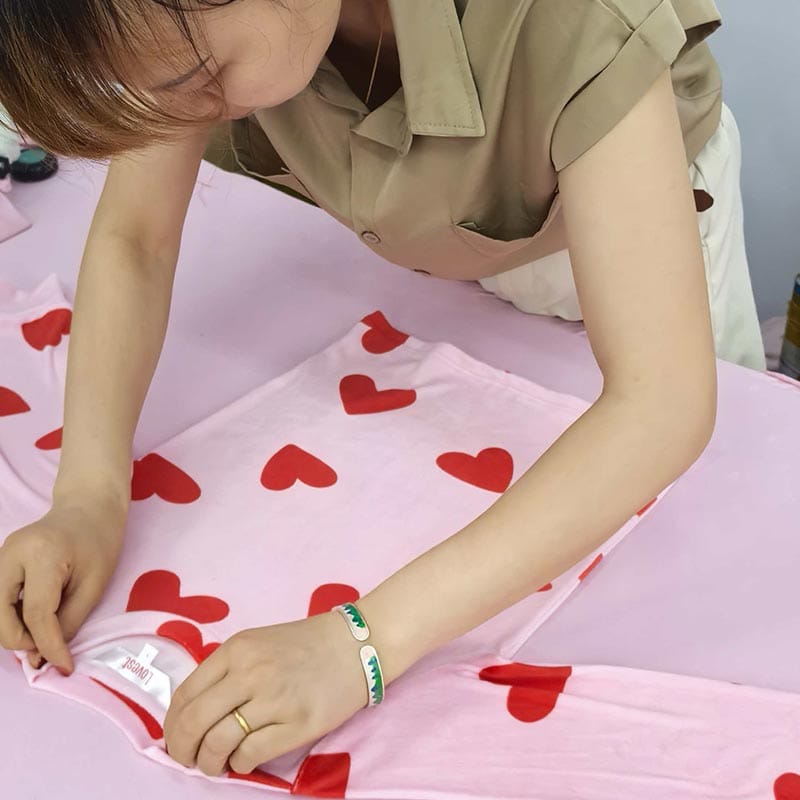
Tous les fabricants ne sont pas fiables. Méfiez-vous des usines qui refusent de fournir des photos ou des vidéos de production, proposent des prix bien inférieurs à la moyenne du marché, communiquent lentement ou de manière incohérente, n'ont pas de processus de contrôle qualité clairs ou vous incitent à augmenter votre commande avant même d'avoir reçu un échantillon. Éviter ces signaux d'alarme vous permettra d'économiser du temps, de l'argent et du stress.
Comment construire un partenariat à long terme
Une relation fructueuse avec un fabricant ne se limite pas à une seule commande. Commencez par de petites commandes pour tester la qualité et la fiabilité, maintenez une communication claire et des mises à jour régulières, documentez toutes les spécifications dans des dossiers techniques, planifiez des audits ou des inspections périodiques et négociez les conditions des commandes ultérieures et les remises sur volume. Les partenariats à long terme permettent d'obtenir de meilleurs prix, des créneaux de production prioritaires et un soutien plus collaboratif.
Conseils supplémentaires pour les startups
Si vous débutez sur le marché chinois, faites appel à des agents ou consultants locaux. Envisagez de visiter l'usine en personne pour vérifier ses capacités et instaurer un climat de confiance. Tenez compte des délais de livraison, surtout en haute saison. Si votre marque valorise une production écoresponsable, privilégiez les tissus durables ou certifiés. Prévoyez une marge de sécurité pour les retards de production et de livraison afin de respecter les échéances de lancement.
Conclusion
Trouver un fabricant de vêtements fiable en Chine exige une évaluation rigoureuse de son expertise en production, de son contrôle qualité, de sa communication, de ses prix et de sa fiabilité. Commencez par une petite production, vérifiez les échantillons, privilégiez la transparence et instaurez une relation de confiance au fil du temps. Un partenariat solide garantit une qualité de produit constante, une production efficace et une croissance durable pour votre marque de vêtements. En suivant ces conseils, vous éviterez les pièges courants, économiserez des ressources et créerez de la valeur à long terme pour votre marque.
FAQ
Comment savoir si un fabricant chinois est fiable ?
Vérifier la qualité des échantillons, les processus de contrôle qualité, la capacité de production, la rapidité de communication et les certifications de conformité.
Quel est le délai de livraison habituel pour les commandes ?
Échantillons : 7 à 15 jours ; production en série : 25 à 45 jours selon la complexité du style et la saison.
Puis-je produire de petites séries ?
Oui, choisissez une usine spécialisée dans la production en petites séries ou une jeune entreprise. Des quantités minimales de commande aussi faibles que 100 à 300 pièces sont possibles.
Devrais-je visiter l'usine en personne ?
Si possible, oui. Les visites d'usine permettent de vérifier l'équipement, le personnel et les méthodes de production, ce qui renforce la confiance et réduit les risques.
Comment gérer efficacement les coûts ?
Négocier en fonction des matériaux, simplifier les conceptions complexes si possible et tenir compte de la production saisonnière pour optimiser l'efficacité.