Button Down Loungewear Set: Prevent Gaping and Placket Twist
Table of Contents
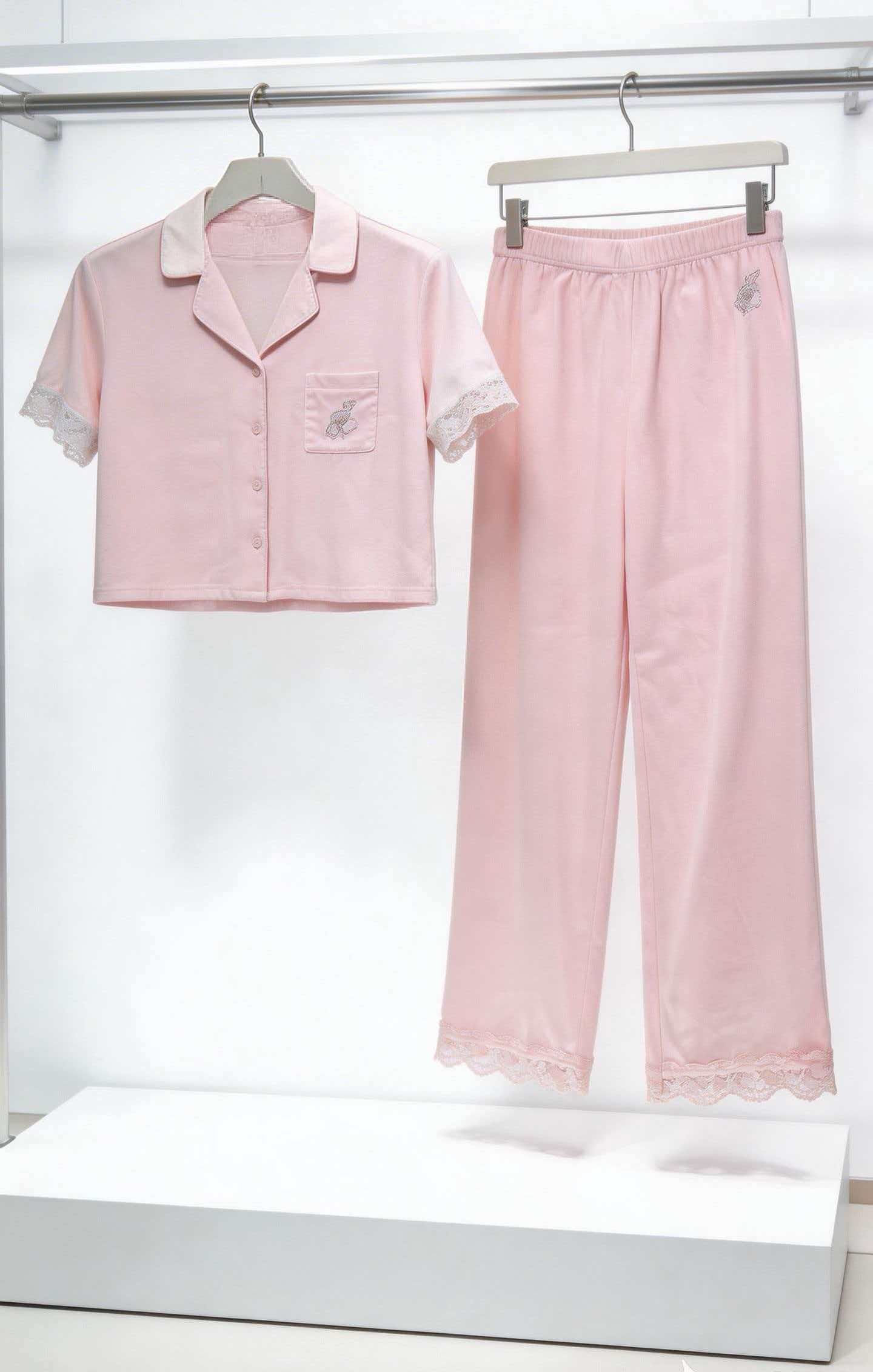
The front opening is a small part of a button down loungewear set, yet it can determine how the whole top looks and feels. Gaping between buttons, a twisted placket or a collar that pulls to one side can remain hidden in a flat product photograph. Buyers should review the opening as a joined system of pattern, body fabric, reinforcement, buttons and buttonholes. The following checks help turn a familiar pajama style into a reproducible construction brief for sampling and production.
Start with the relevant Xiuxinyang product or service reference, then confirm the proposed materials and construction for your order.
Establish the intended neckline and front overlap
Draw the closed and open neckline positions and identify where the buyer expects the first functional button. Mark the front overlap and finished placket width from consistent pattern points. Explain whether the collar should lie flat or create a more structured outline. These decisions affect the customer's coverage and the balance of the top. Do not use a photograph of an open garment as the only guide for a design that will also be worn buttoned. Review both conditions on the sample.
Check gaping before changing button spacing
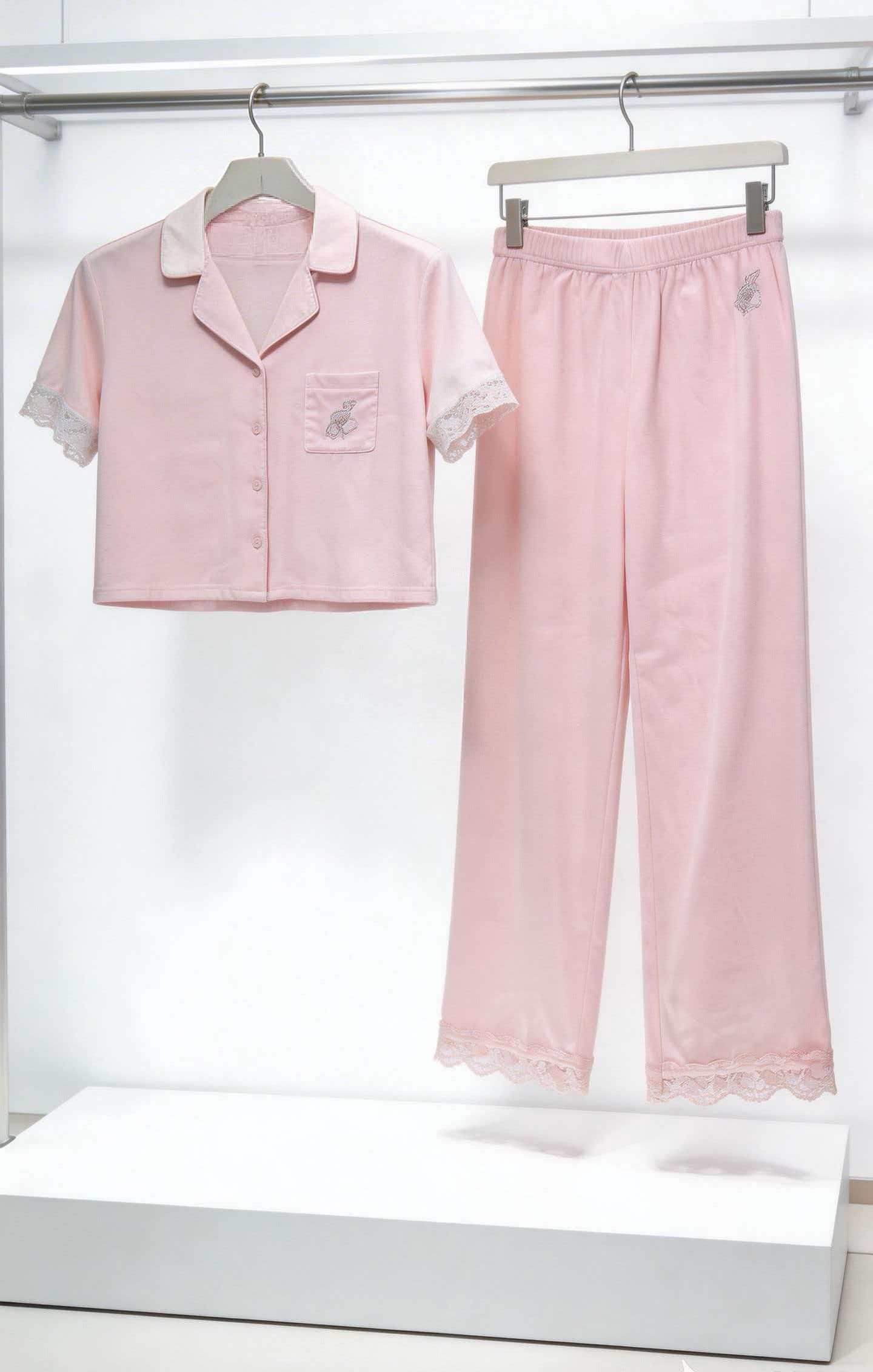
Fit the button down loungewear set on the intended participant and inspect the front while standing, sitting and reaching. Record where the opening spreads and whether horizontal tension lines appear. Gaping can reflect insufficient room, an unsuitable front shape or spacing that does not support the design. Moving buttons alone may hide the symptom in one posture while creating a different problem. Ask the pattern maker to explain the proposed correction and repeat the same movement checks on the revised sample.
Select reinforcement for the actual body fabric
Request a sewn placket trial using the proposed fabric, reinforcement and stitching. Inspect its flexibility, thickness and appearance on both sides. Check whether the reinforcement changes the hand feel or makes the front heavier than the rest of the garment. Evaluate the assembly after the intended care procedure for bubbling, waviness or separation where applicable. Record the approved construction reference. A reinforcement suitable for a crisp woven shirt may be an unsuitable default for a soft jersey pajama top.
Specify buttons and buttonholes as a pair
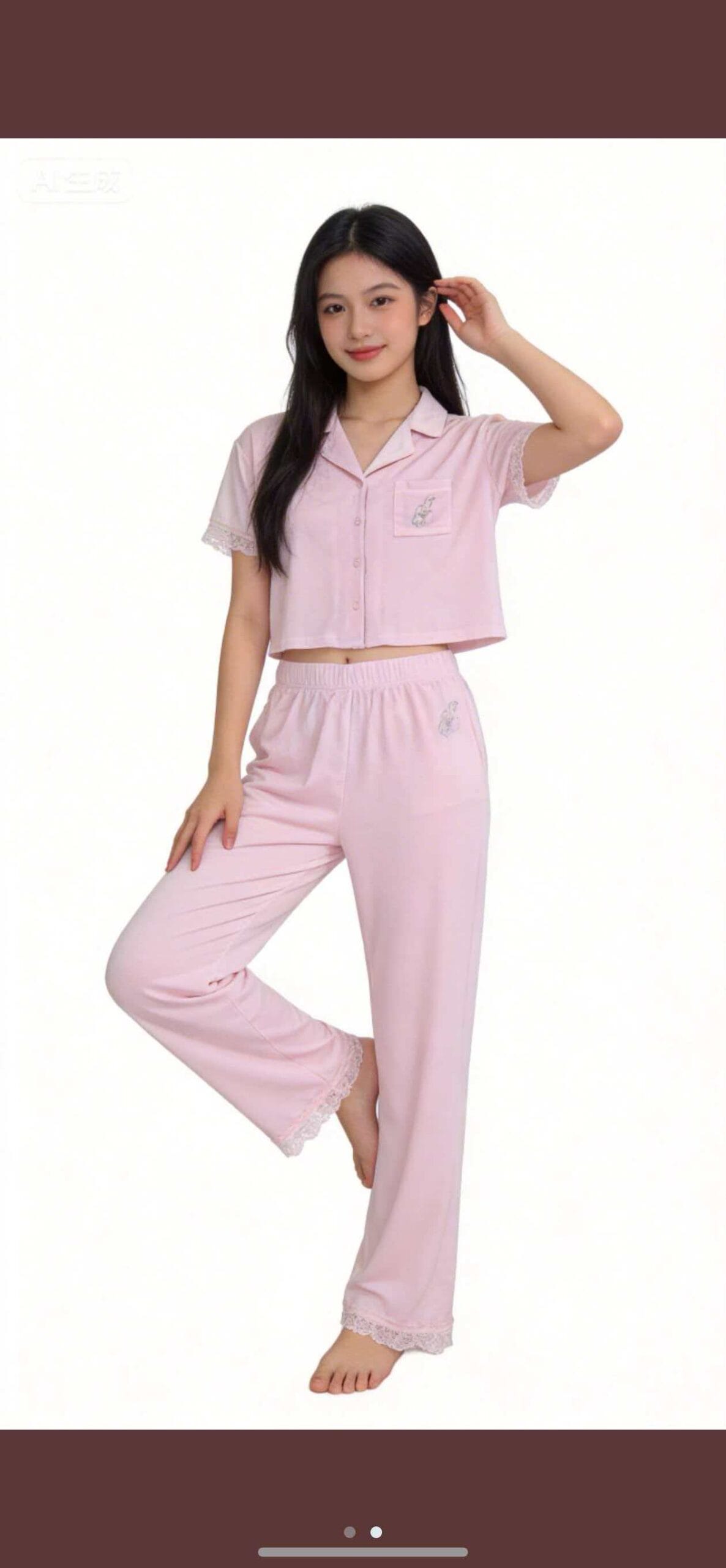
Identify the button dimensions, shape, attachment and approved reference. Test the corresponding buttonhole in the actual layered placket rather than a loose piece of fabric. Confirm that the button passes through without excessive force and remains appropriately retained during ordinary use. Inspect cut edges and thread ends around the buttonhole. For the button down loungewear set, check every functional position because the layers and seam intersections can differ near the collar, waist or lower hem.
Review collar symmetry with the front closed
Close the approved buttons and inspect the collar, neckline and shoulder balance together. Compare the left and right points and observe whether the top hangs evenly. Open the front to the intended wearing position and repeat the review. A collar can appear balanced in a flat lay but move differently when worn. Keep the pattern reference and photographs with the comments so the sample room knows whether the correction concerns collar shape, attachment, front balance or a feeding issue at the seam.
Assess placket behavior after care
Wash and dry the complete top under the proposed customer procedure, then let it rest before comparing it with the reference. Observe whether the front twists, the lower edges cease to align or the collar becomes uneven. Measure the body and placket using consistent points. A button down loungewear set needs a complete garment check because joined materials may change differently. Keep the care record and identify which sample was tested instead of relying on an undocumented statement that the fabric was prewashed.
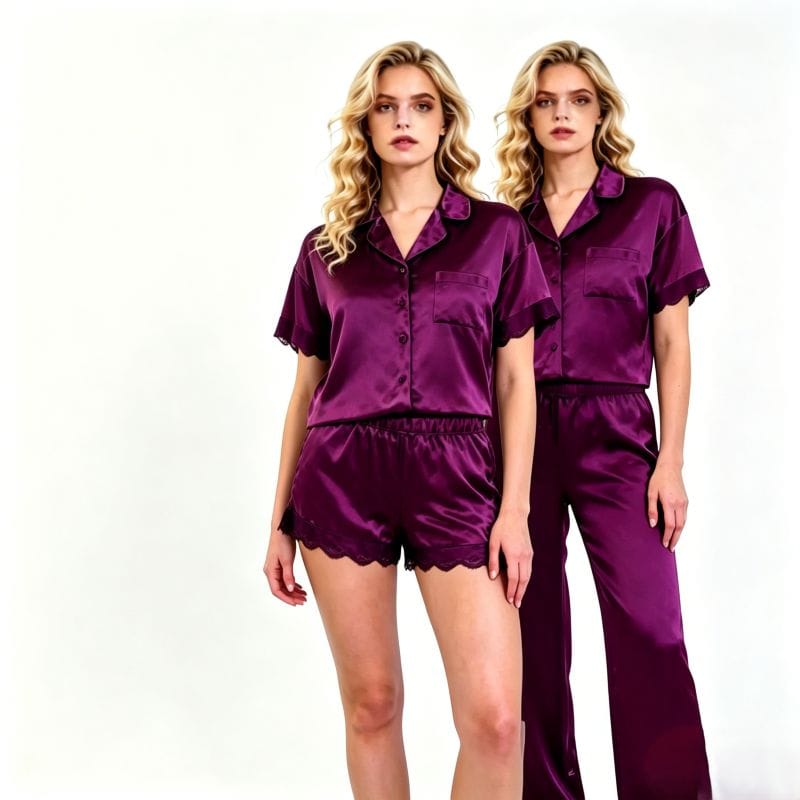
Inspect inner finishes and attachment quality
Turn the top inside out and inspect button attachments, reinforcement edges, collar seams and the placket at the hem. Follow the contact areas with the fingertips to identify rough ends or concentrated bulk. Ask the supplier to record the approved stitch and finishing details where they affect the result. If additional attachment testing is required for the intended customer or market, agree the method and acceptance criteria. Visual neatness alone does not demonstrate the strength of a fastening.
Approve the top and bottom as one outfit
Review the closed top with the matching bottom to see how the front length and waistband interact. Check whether the top catches on the waist or opens at an unintended point when seated. Coordinate shade, piping and decorative details across the outfit. Confirm the complete-unit size pairing and packing description before release. If the buyer changes the fabric, front style or button reference after approval, identify which checks must be repeated and update the specification rather than relying on the earlier sample.
A practical decision example
Compare one change at a time
Suppose a sample gaps between two buttons at the bust during sitting. First record the body dimensions, sample size and precise location of tension. Compare the same garment standing and seated, then ask whether the pattern needs more room or a different front distribution. If the fit is suitable but the unsupported opening is excessive, review a targeted spacing change in a revised front. Keep the button and buttonhole combination unchanged while isolating that correction. After approval, repeat the care and collar review. This hypothetical sequence avoids simultaneously changing fabric stretch, button size and the full body width, which would make the result harder to interpret. It describes a development method rather than a universal rule for button placement.
Decision table
| Issue | Evidence | Review decision |
|---|---|---|
| Front gaping | Movement photos and fit measurements | Pattern or spacing correction |
| Twisted placket | Before and after care comparison | Material and construction review |
| Uneven collar | Closed and open front photographs | Balance and attachment correction |
| Difficult fastening | Buttonhole in actual placket assembly | Approve matched fastening pair |
Review the complete set on the intended customer
Invite a fit participant who represents the intended customer to review the complete outfit. Record body measurements separately from garment measurements, and explain whether each garment measurement is taken flat or around the body. Ask the participant to sit, reach forward, raise both arms and walk at a normal pace. Photograph the front, side and back with permission. A convincing standing photograph can conceal a neckline that opens during movement, shorts that ride up or a waistband that rolls when seated. Those observations belong in the fit comments alongside the measured differences.
Keep the commercial decision attached to the technical comment. If a change improves coverage but alters the intended silhouette, ask the buyer to choose which outcome matters more. Specify one approved correction rather than sending several conflicting suggestions to the pattern maker. Review the revised garment in the same activities, with the same measurement method and comparable underlayers. Confirm fabric, trim and construction together before signing off. A change in one component may invalidate an earlier fit approval even when the nominal size label has stayed the same.
Compare the relevant product range and development context with your intended customer and order. Confirm any requested material, size or construction option before treating it as available.
References for the review
Use the relevant primary resources when framing market and test questions: FTC textile guidance, FTC care guidance, AATCC methods, ISO care symbols. Confirm the applicable scope and methods with the responsible specialist for the actual product and destination.
Discuss the proposed order
For your button down loungewear set project, send the design reference, intended customer, destination market, complete-unit quantity and size breakdown. Include the specific decisions described above and identify any material or construction that still needs confirmation. Review Xiuxinyang OEM/ODM services and contact the team with your button down loungewear set brief to discuss the appropriate sampling and order requirements.
Frequently asked questions
How can buyers reduce gaping in a button down loungewear set?
Observe the garment in movement and identify whether the cause is fit, front balance or button spacing. Request a targeted correction and repeat the same checks. Adding more buttons without reviewing tension may leave the underlying problem unresolved.
Should every placket use reinforcement?
The appropriate construction depends on the fabric and design. Compare a sewn trial for stability, flexibility and care behavior. Approve the construction that supports the intended opening without adding unacceptable stiffness or bulk.
Can a larger button improve the opening?
A button change affects the buttonhole, appearance and fastening action. It does not automatically correct gaping or twisting. Review the button and hole together in the final layered placket before accepting the substitution.
Why should the collar be checked after washing?
The body, placket and collar may respond differently to care. A complete garment comparison can reveal imbalance that separate swatches miss. Keep the procedure and sample identifier with the approval observations.
What should the supplier receive?
Send the neckline drawing, front overlap, button and buttonhole references, reinforcement proposal and measurement chart. Include complete-set quantity, size pairing, destination market and care expectations so the supplier can identify details requiring confirmation.