جدول المحتويات
مقدمة
The term “lounge set” is widely used across the apparel industry, yet its meaning is often oversimplified. Many people associate lounge sets with casual indoor clothing, but from a design and manufacturing perspective, a lounge set represents a carefully balanced product system built around comfort, durability, and extended daily wear. As time spent indoors continues to increase globally, understanding what defines a lounge set and how it is constructed has become increasingly relevant for brands, buyers, and product developers.
This article provides a comprehensive explanation of lounge sets, covering fabric choices, knit construction, performance characteristics, and how thoughtful design supports everyday indoor use.
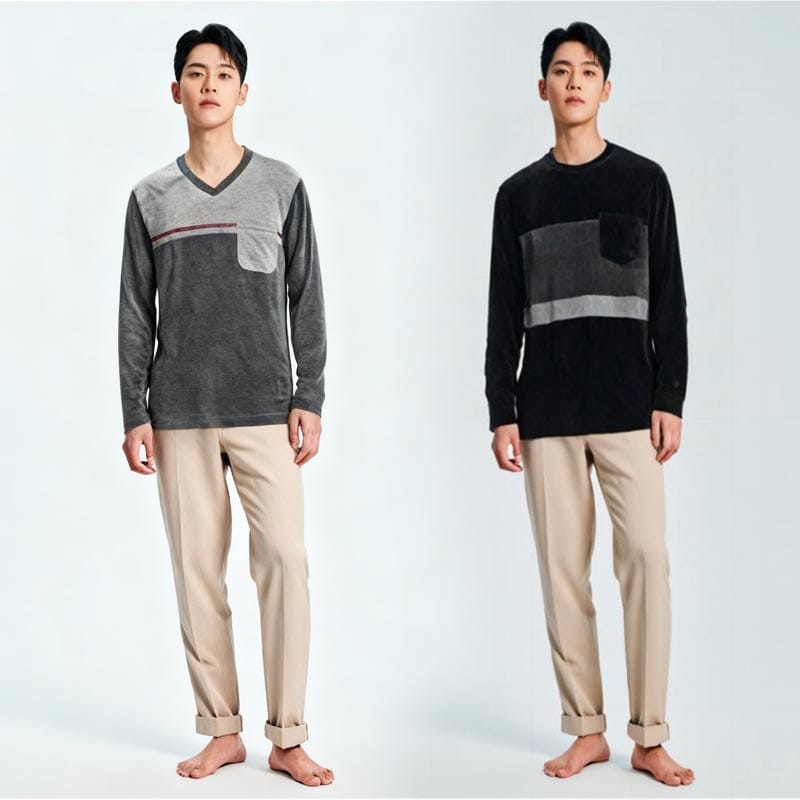
ما هو طقم الجلوس؟
A طقم جلوس typically consists of coordinated upper and lower garments designed to be worn together during waking hours indoors. Unlike sleepwear, which is optimized for rest, lounge sets are created to support prolonged activity such as working, moving, sitting, and light tasks throughout the day.
Industry definitions often classify lounge sets as a subcategory of homewear, positioned between sleepwear and casual apparel. According to definitions provided by the Textile Institute, lounge sets emphasize comfort-led design while maintaining sufficient structure for repeated wear and movement.
Core Characteristics of a Well-Designed Lounge Set
Several characteristics consistently define a functional lounge set regardless of aesthetic direction.
Comfort is the foundation. This is achieved through fabric softness, surface smoothness, and the absence of rigid components. Breathability is equally essential, as indoor wear is often used for extended periods without frequent outfit changes.
Flexibility supports natural movement. Knit-based constructions allow garments to adapt to posture changes without restriction. Durability is another key factor, as lounge sets are typically washed more frequently than outerwear. Poor fabric recovery or unstable construction can quickly reduce product lifespan.
Together, these characteristics form the baseline performance expectations for modern lounge sets.
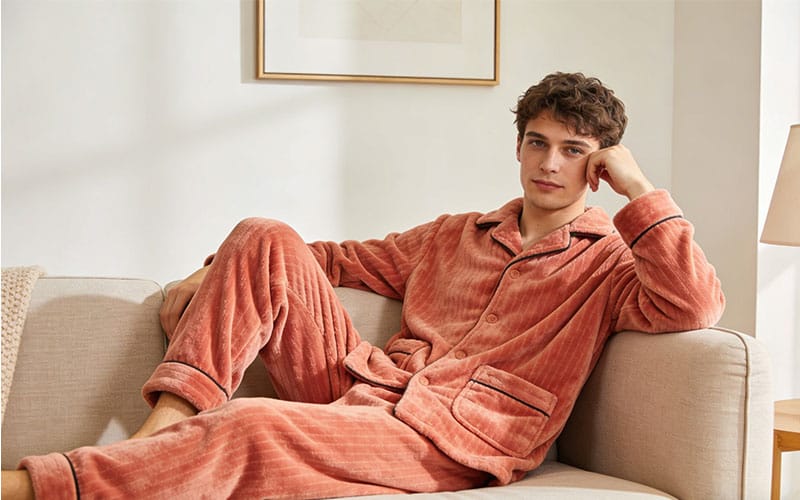
Fabrics Commonly Used in Lounge Sets
Fabric selection plays a decisive role in lounge set performance. Knit fabrics are widely adopted due to their inherent elasticity and soft hand feel. According to textile performance studies published by the International Textile Manufacturers Federation (ITMF), knit structures outperform woven fabrics in stretch recovery and wearer comfort during low-impact activities.
Blended fabrics are particularly common in lounge set development. Fiber blending allows manufacturers to balance softness, moisture management, dimensional stability, and durability. Research published in the Journal of Textile Science & Engineering indicates that blended yarns can significantly reduce pilling and deformation compared to single-fiber alternatives when subjected to repeated wear and laundering.
Fabric weight is another important variable. Lightweight knits are favored for long indoor hours, while mid-weight constructions provide slightly more structure without sacrificing comfort.
Common Fabric Performance Comparison in Lounge Sets
| Fabric Type | Key Performance Traits | Typical Use in Lounge Sets |
|---|---|---|
| Lightweight Knit Blend | Soft touch, breathable, flexible | All-day indoor wear |
| Mid-Weight Knit Blend | Balanced structure and comfort | Versatile daily use |
| Loose Knit Structure | High breathability, relaxed drape | Extended lounging |
| Tighter Knit Structure | Better shape retention and surface stability | Long-term repeated wear |
Performance characteristics summarized based on ITMF textile testing principles و ISO fabric evaluation standards.
Why Knit Construction Matters
Beyond fiber content, knit construction significantly affects how a lounge set behaves during use. Stitch density, yarn tension, and knitting method determine stretch behavior and recovery performance.
Loose knits generally feel softer and more breathable but may sacrifice dimensional stability. Tighter knits improve shape retention and reduce surface wear. Industry best practices recommend balanced stitch density for lounge sets intended for daily wear, allowing flexibility without excessive deformation.
Construction details such as seam placement, waistband design, and hem finishing further influence comfort. Flat seams and reinforced stress points help minimize friction and extend garment lifespan.
Lounge Set vs Other Indoor Wear Categories
Lounge sets are often confused with sleepwear or basic indoor clothing, but their design objectives differ. Sleepwear prioritizes nighttime comfort and minimal movement. Basic indoor garments may lack coordination or long-term durability.
Lounge sets are designed to bridge these gaps. Coordinated pieces offer visual consistency, while performance-focused construction supports daytime functionality. This dual role explains their growing presence in modern indoor apparel collections.
How Lounge Sets Support Extended Indoor Use
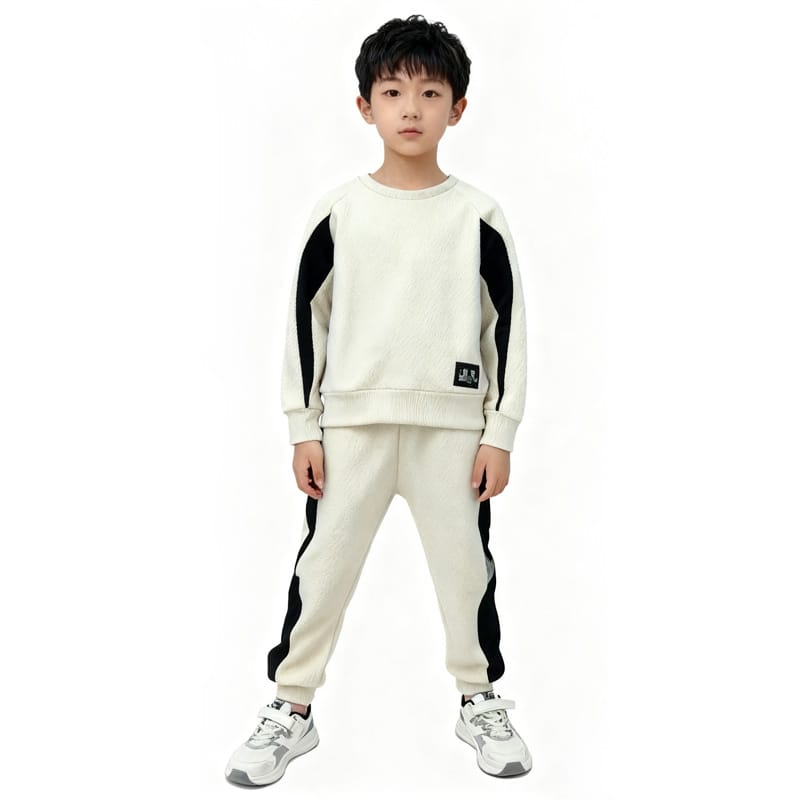
Changes in daily routines have increased demand for garments that adapt to long indoor hours. Lounge sets are specifically engineered to meet this need.
Soft fabrics reduce prolonged pressure on the skin, while breathable materials help regulate body temperature in controlled indoor environments. Stretch and recovery support repeated posture changes without discomfort.
According to ergonomic apparel studies referenced by the جمعية العوامل البشرية وبيئة العمل, garments that reduce restriction and friction contribute to perceived comfort during extended seated and light-movement activities, reinforcing the functional value of lounge sets.
Customization and Development Considerations
From a product development standpoint, lounge sets offer extensive customization potential. Fabric blends, knit density, garment proportions, and finishing details can be adjusted to suit different usage scenarios or market positioning.
Customization often focuses on achieving consistent comfort across sizes while maintaining durability. This requires careful coordination between material selection, pattern development, and production control.
Manufacturers with experience in lounge set development approach customization as a structured process rather than a one-time adjustment, ensuring repeatability and scalability across collections.
خاتمة
A lounge set is not simply a matching indoor outfit. It is the result of deliberate decisions around fabric selection, knit construction, and comfort-driven design. Understanding these elements explains why lounge sets have become a core category in modern indoor apparel.
For brands and buyers seeking to develop reliable lounge set collections, working with an experienced manufacturer such as Xiuxinyang enables thoughtful customization, consistent quality control, and scalable production tailored to real-world indoor use.
التعليمات
What distinguishes a lounge set from casual indoor clothing?
A lounge set is designed for prolonged wear with coordinated pieces, flexible construction, and durability considerations beyond basic indoor garments.
هل الأقمشة المحبوكة ضرورية لأطقم الاسترخاء؟
While not mandatory, knit fabrics are preferred due to their natural stretch, softness, and comfort during extended indoor use.
Why do some lounge sets lose shape after washing?
Shape loss is often related to fiber composition, knit density, and finishing processes. Balanced construction improves recovery and longevity.
Can lounge sets be used throughout the entire day?
Yes, lounge sets are specifically designed to support daily indoor activities, including working, relaxing, and light movement.
How does fabric blending improve lounge set performance?
Blended fabrics enhance stability, reduce surface wear, and improve long-term comfort by combining complementary fiber properties.